Where Is Panama and Why Is Everyone Suddenly Talking About It?
Panama is in Central America and is the last country before South America. It is separated from Colombia by the Darian Gap. Apparently, a no-man’s-land, lawless stretch of tropical jungle that interrupts the Pan-American highway.
I had the bright idea of a long road trip from North, through Central, and into South America, until I learned of this 60-mile strip of impenetrable forest. Technically, I could have ferried my car from there to Colombia, but the expense seemed too great for a road trip. Plan B!
Costa Rica sits on Panama’s northwestern border and Colombia to the southeast. The country itself runs more east/west than north/south.
Panama offers much of what has driven tourists to Costa Rica without some of the trappings. You’ll find lots of biodiversity, beautiful beaches, islands, mountains, outdoor activities, a year-round warm climate, and, high on my list, incredible coffee.
Both countries are known for their biodiversity; Panama boasts a slightly higher species count, while Costa Rica wins out in plant diversity. In fact, there are over 1,000 bird species in Panama, and when you consider that Panama is roughly the size of South Carolina, it’s pretty remarkable.
A fun fact: Panama is one of the world’s best places to find sloths in the wild. It’s also where you can do some whale watching.
Even in the city, you are close to nature. Check out this Monkey & Sloth Jungle Habitat Tour.
➡️Monkey & Sloth Jungle Habitat Tour
Click here to book this tour to visit monkeys, sloths, and birds with a professional guide. The tour includes pick-up and drop-off, along with snacks and binoculars.
4.9 Rating on Get Your Guide
5 Hours – $30 (does not include $20 boat ride)
If you follow any lists of the best places to retire, you’ve noticed lately that Panama appears at or near the top, and there are plenty of reasons why.
It’s easy to get to from the U.S. In fact, 15 cities offer direct flights (3-5 hours), including Miami, Dallas, Atlanta, and Los Angeles, to name a few. Copa Airlines is the main airline, as Panama is the hub, but you can also find respectable flights on United and American. And if you do end up living there, it’s super easy to get home to the U.S. for the holidays.
In addition, the pensionada program offers huge discounts. In fact, I’m not a Panamanian resident, but was able to get discounts based on my age without needing to show my i.d. Hey, there have to be benefits to getting older.
Why Panama Surprised Me
· High on retirement lists, I met loads of people who were there on a scouting tour
· People thought I was going to Panama City, Florida. Yeah, same name, different country
· Panama has no army. Yep, you heard that right. Abolished in 1990, the country decided instead to focus on commerce, tourism, and stability.
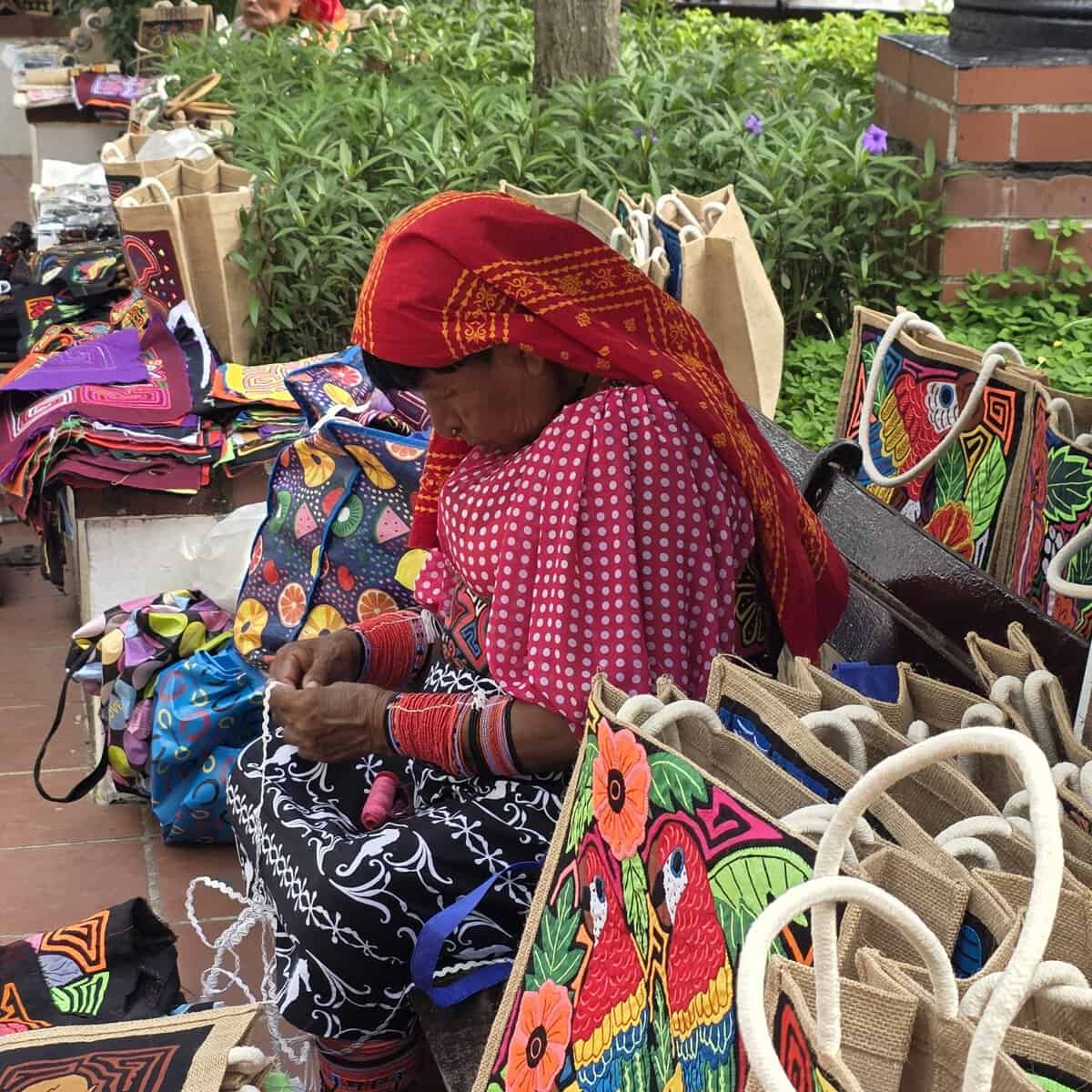
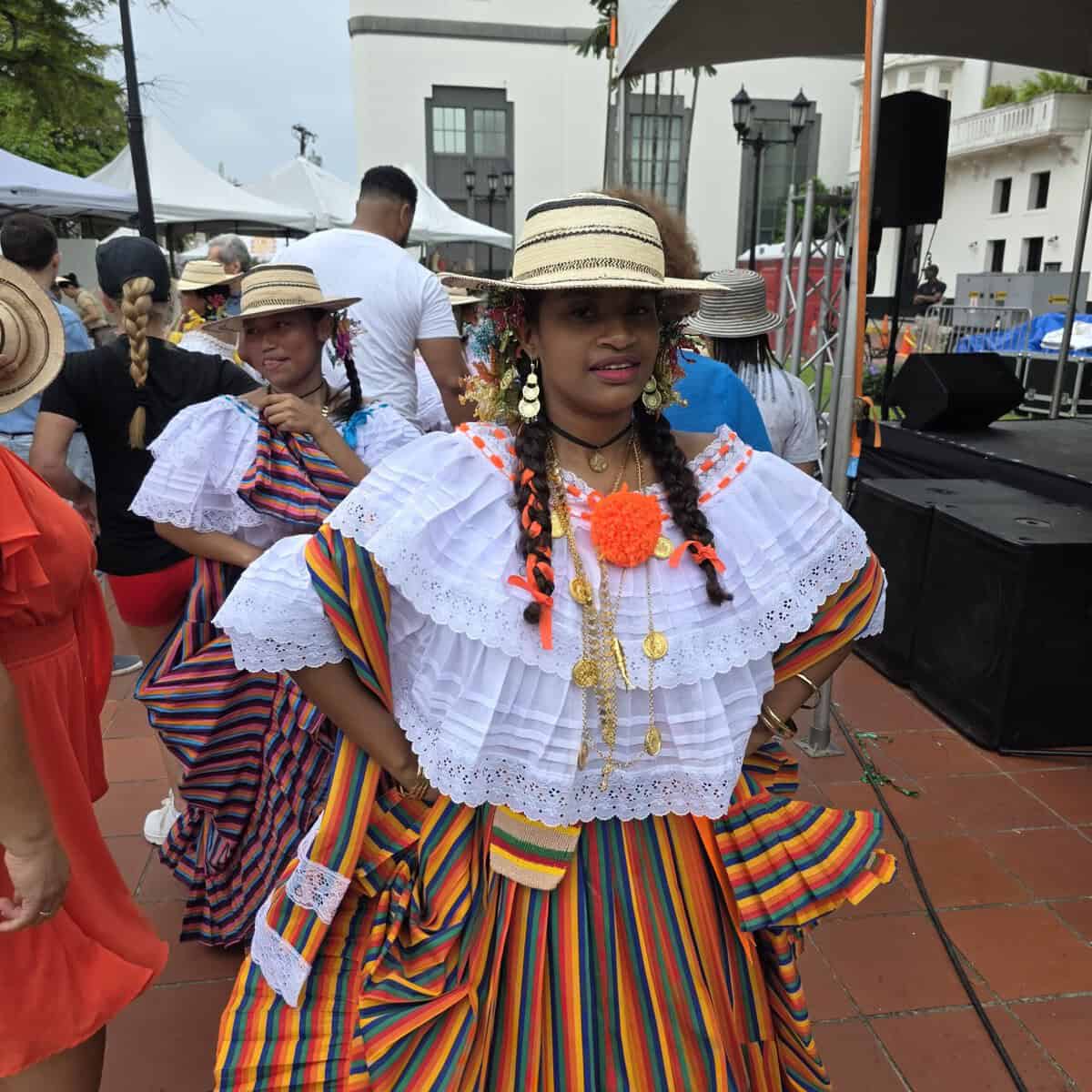
· Panama offers so much of what people go to Costa Rica for without the crowds and high costs. You have the beach, the mountains, the jungle, the wildlife, and a rich culture. Panama is a true melting pot reflected in the people, the food, the music, etc.
· The U.S. dollar is the currency. Actually, there is a dual currency system. They don’t print their own paper currency, but you might receive a Balboa in change (coins). So no need to exchange money.
Best Places to Visit in Panama for First-Time Travelers
Panama Canal
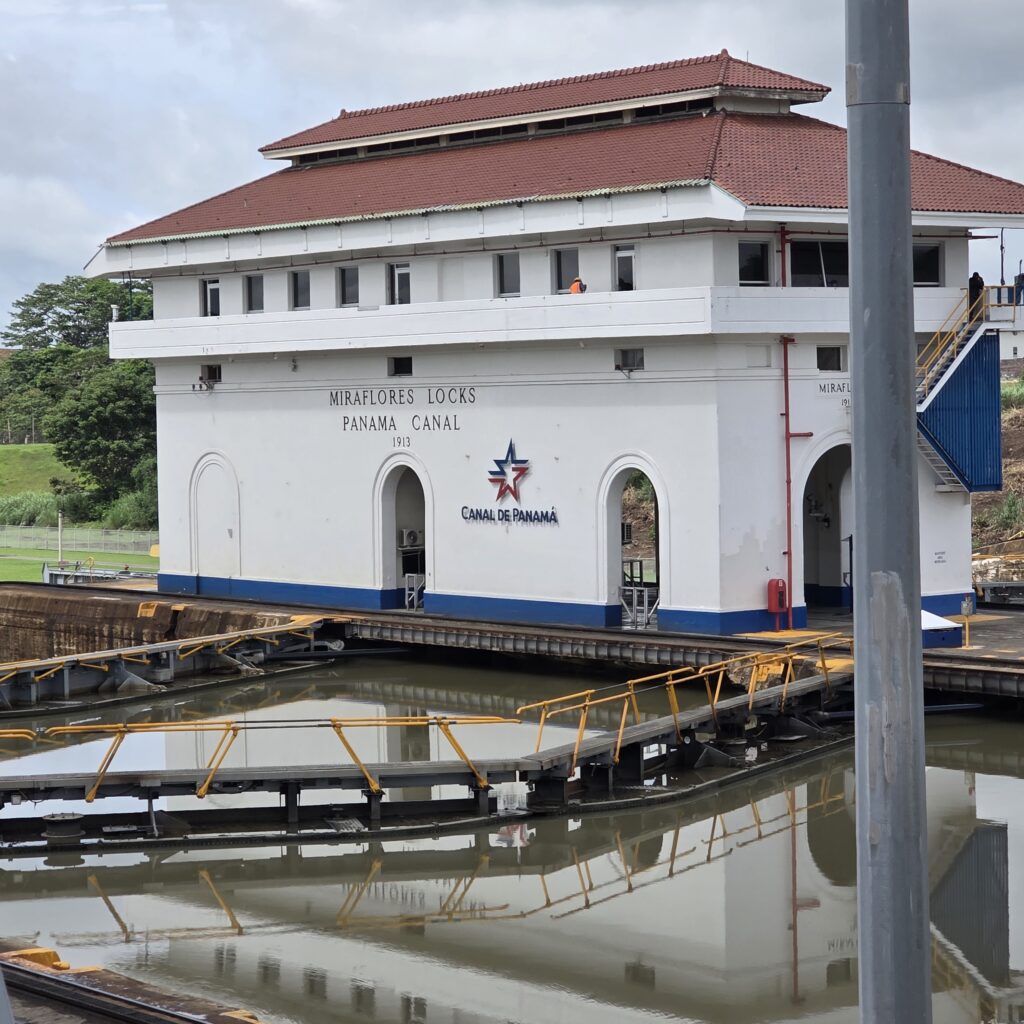
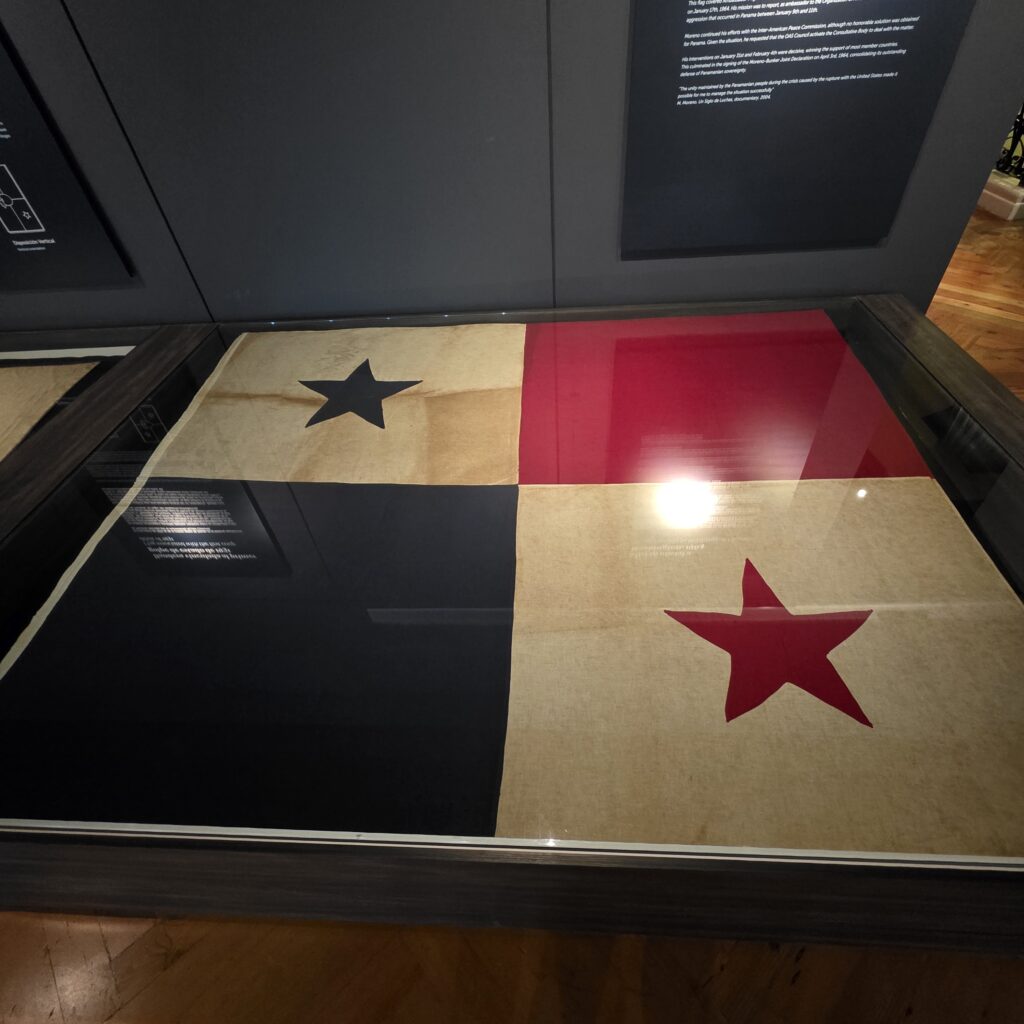
Panama Canal, even if you aren’t a fan of history, you must visit the canal. You can easily get there by catching an Uber from any place in Panama City.
Visit the Miraflowers Center to learn about the building of the canal, the contributions of those who worked on it, and visit the exhibits placed throughout the center. Make sure to schedule a showing at the IMAX theater to watch a film about the canal. Grab a beer, wine, and a snack, and sit back and enjoy the film narrated by none other than Morgan Freeman.
You can walk along the Miraflores Locks and, if you are lucky, watch a container ship moving through. You can also see the new, expanded locks.
There is another Panama Canal Museum in the Old Town, or Casco Viejo, of Panama City. It is more detailed and addresses efforts to connect the two oceans, the early French attempts at a canal, the later lock system, and the final success backed by the US. You’ll gain keen insights into the workers, the cultures they brought, and the conditions, including diseases like Yellow Fever and Malaria.
Click on any of the tour titles below to find more details or explore other Panama Canal tours. Be sure to read the fine print regarding what is included, how to dress, etc.
Panama Canal Tour: Ocean to Ocean in One Day
11 hours
4.8 rating
$220 – includes breakfast, lunch, snacks, and beverages
Walk or Bike the Cinta Costera
This scenic waterfront promenade stretches along the bay with beautiful skyline views, parks, bike paths, and walking trails. It’s especially lively around sunset when locals come out to exercise, socialize, and enjoy the ocean breeze.
Explore Panama City’s Food & Rooftop Scene
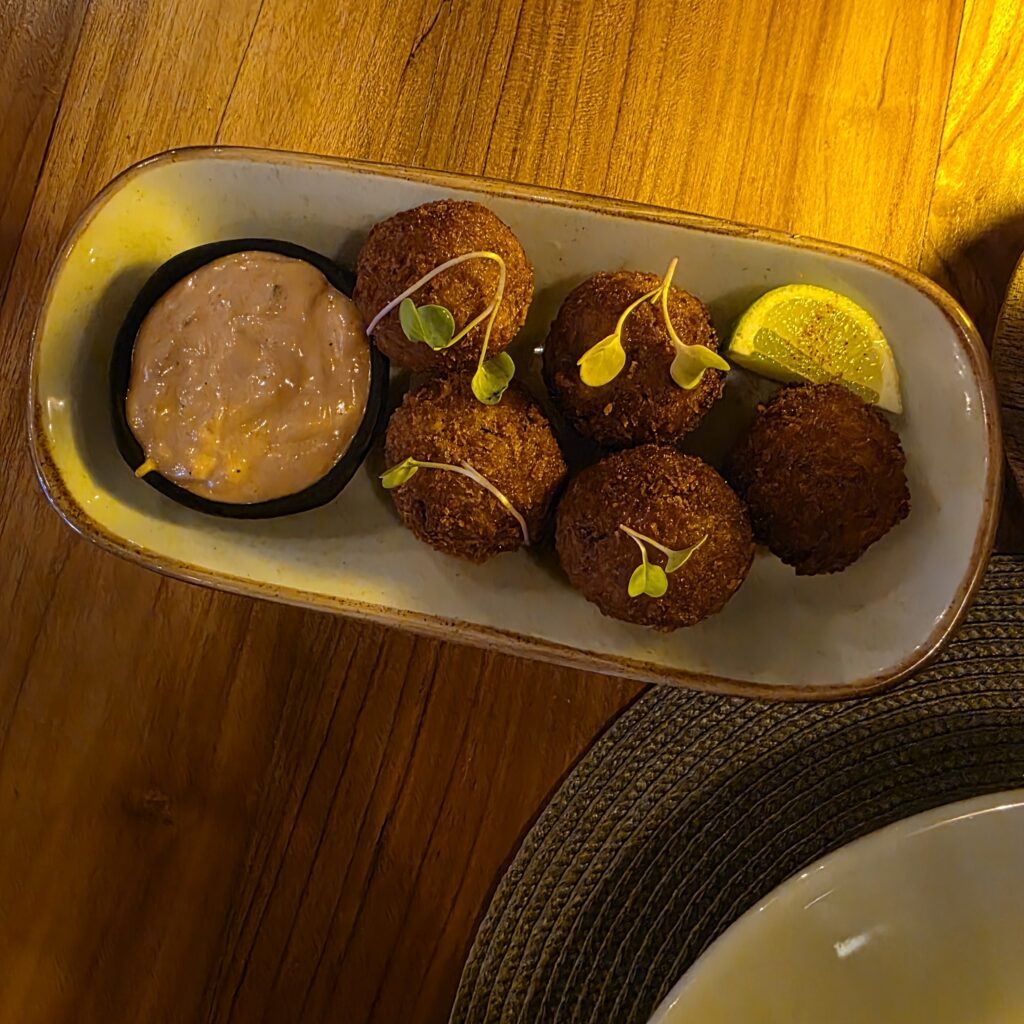
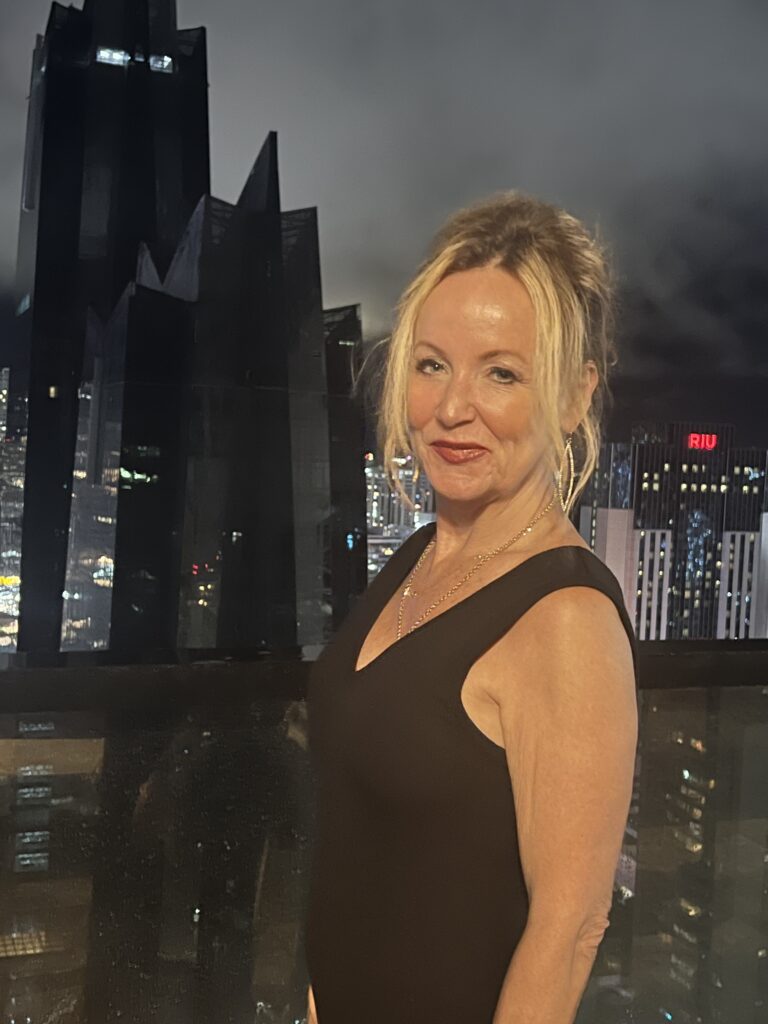
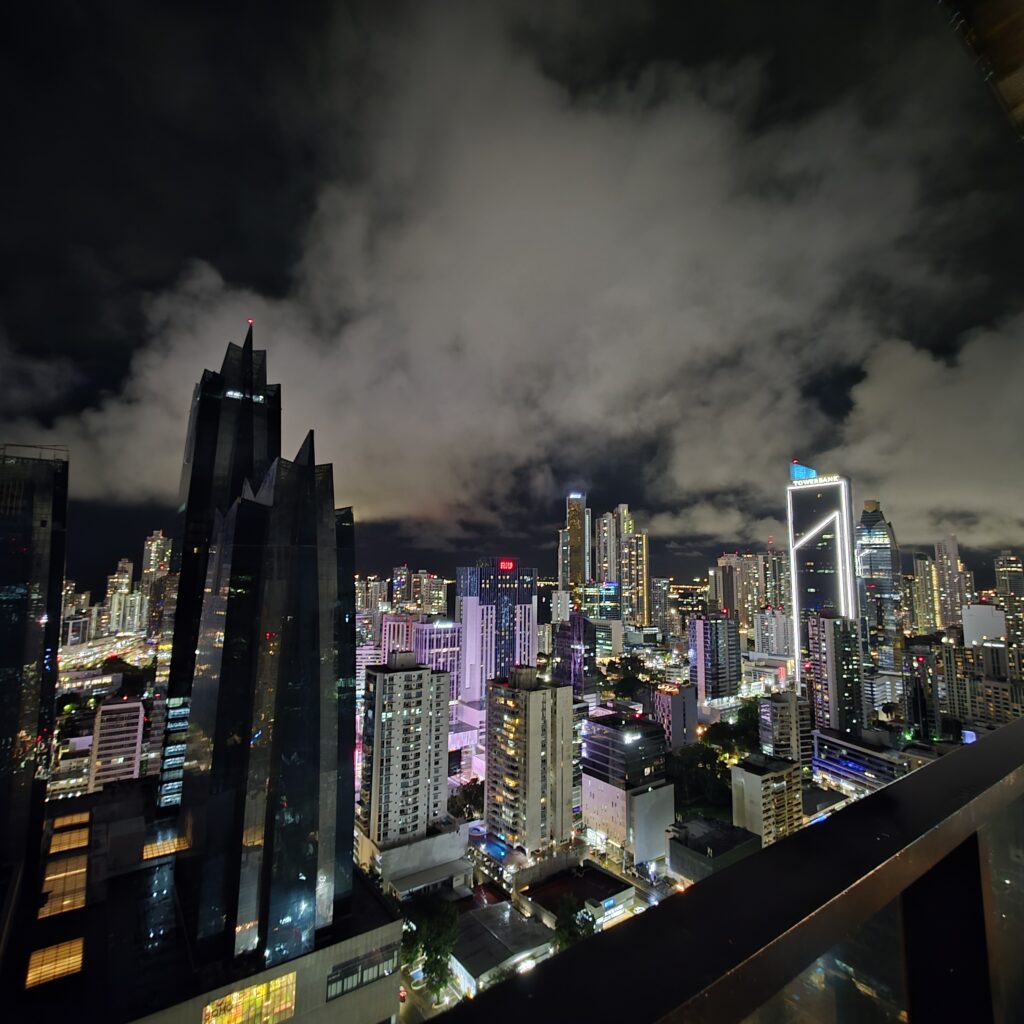
Panama City’s dining scene is surprisingly sophisticated and international, with everything from fresh seafood and rooftop cocktails to upscale fusion cuisine and excellent coffee culture. Neighborhoods like El Cangrejo, Obarrio, Casco Viejo, and Punta Pacifica are filled with trendy restaurants, wine bars, and cafés.
Super trendy, chic, and popular spots include:
Visit the Biomuseo
Designed by famous architect Frank Gehry, the colorful Biomuseo explores Panama’s incredible biodiversity and the country’s role as a land bridge connecting North and South America. Even if you’re not normally a museum person, the architecture alone makes it worth visiting.
Take a Day Trip Into Nature
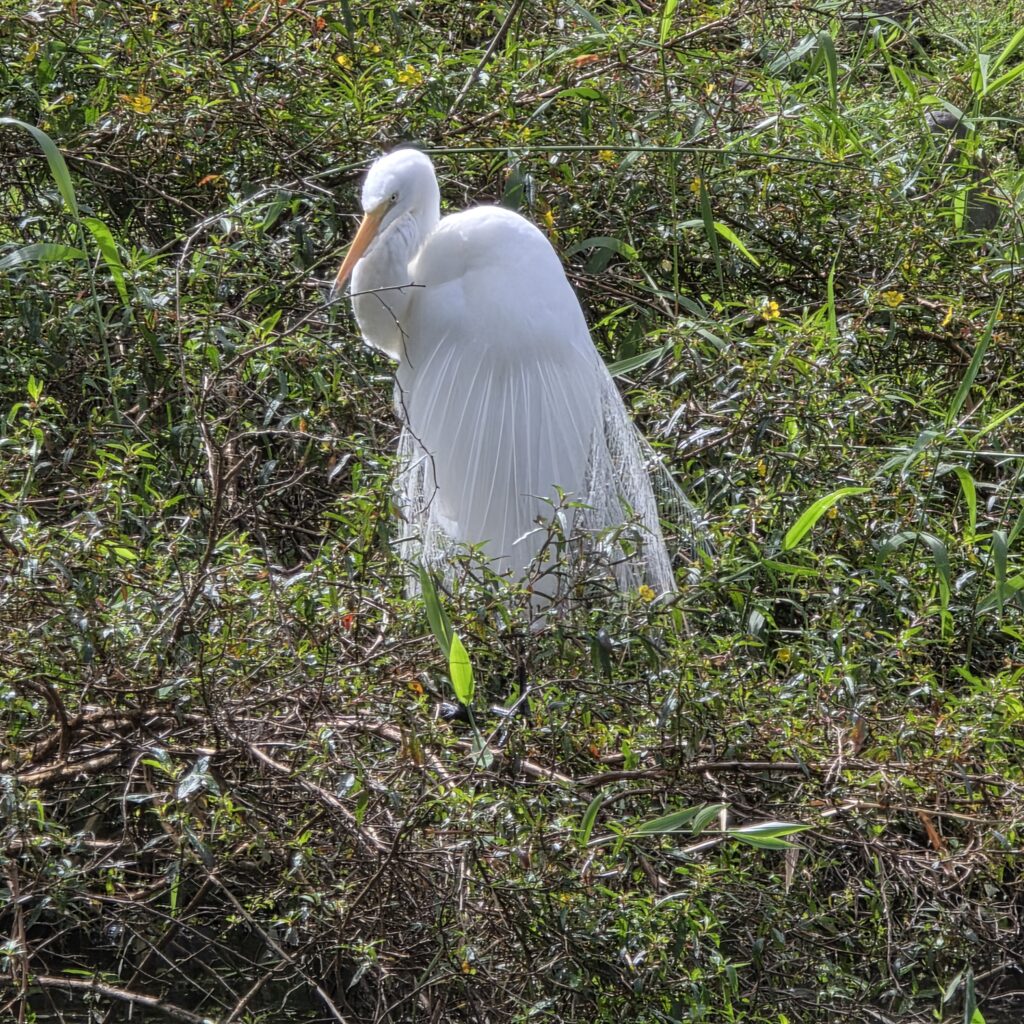
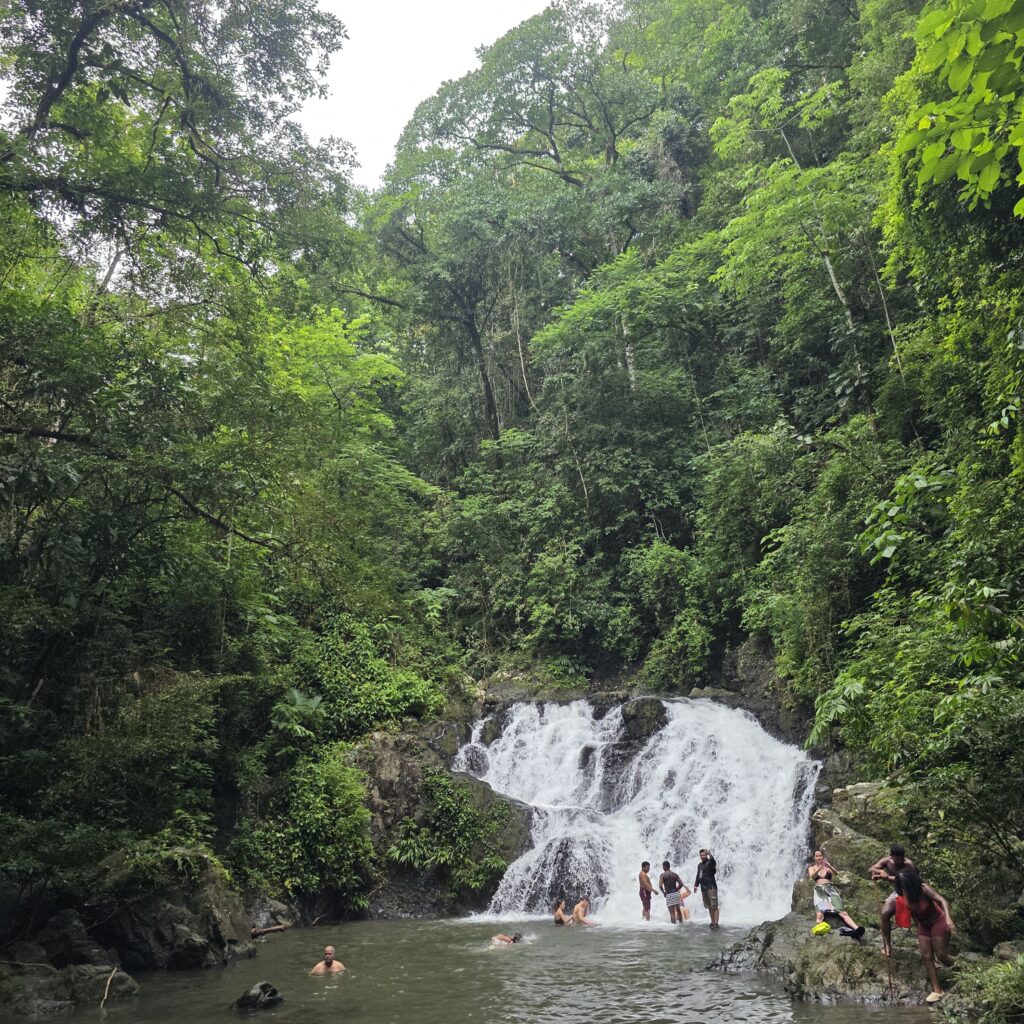
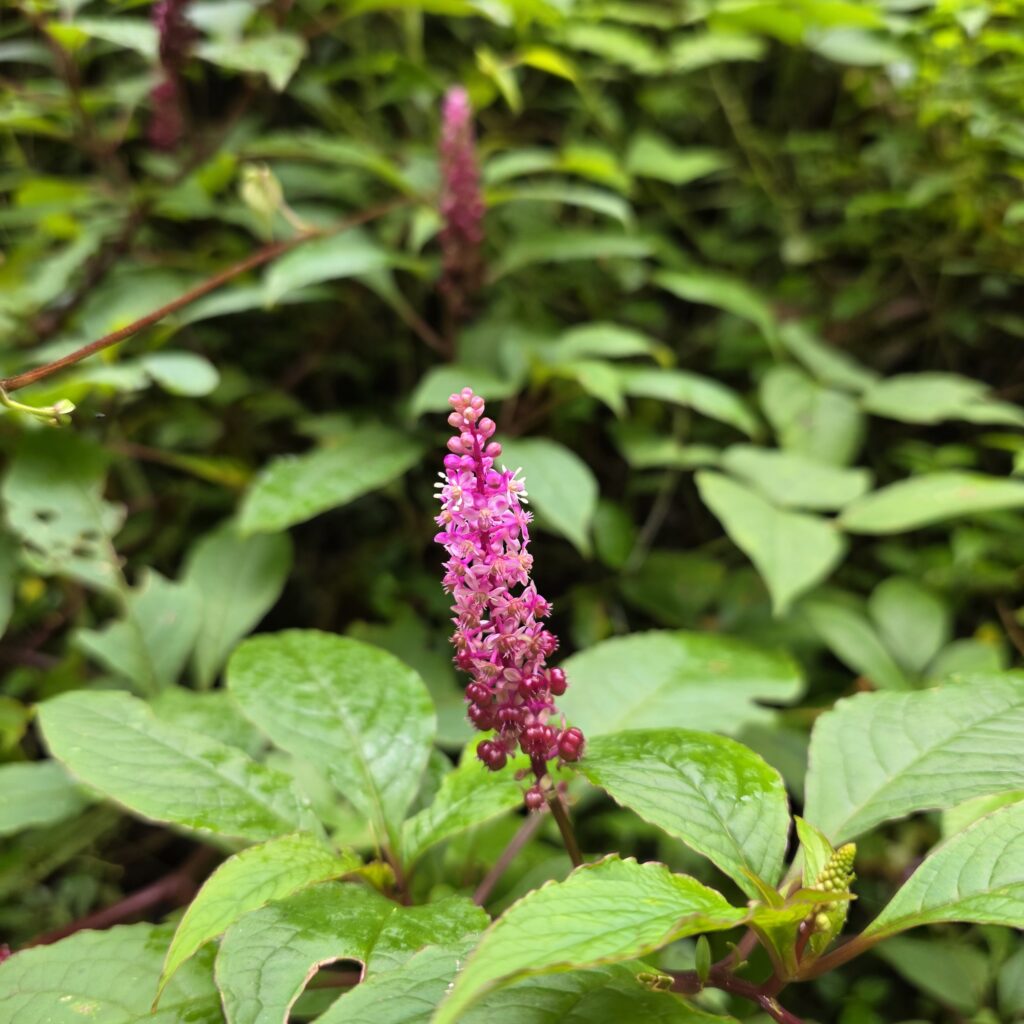
One of the best things about Panama City is how quickly you can escape into nature. Within a short drive, you can visit rainforests, beaches, islands, or mountain towns.
Popular day trips include:
- San Blas Islands – Island Hopping Day Tour includes lunch and snorkeling
- El Valle de Antón – Hiking adventure, 8-hour tour rated 5 out of 5
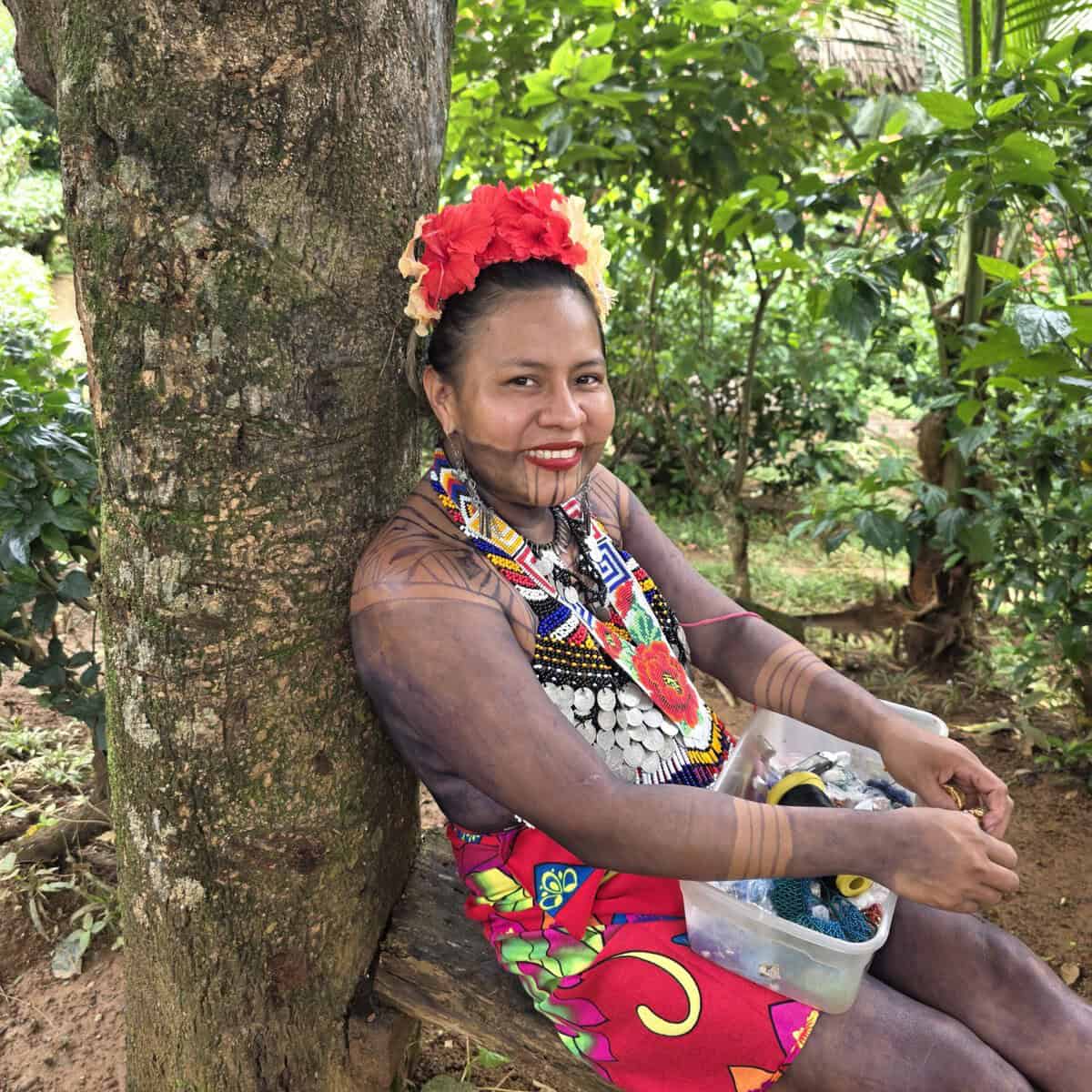
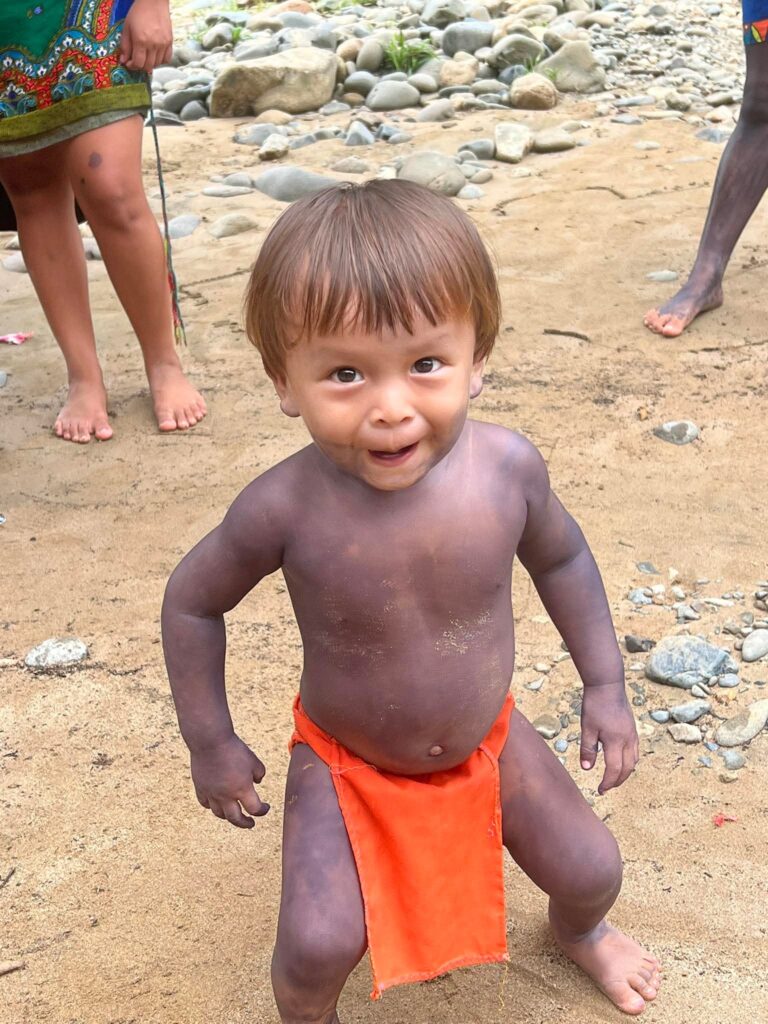
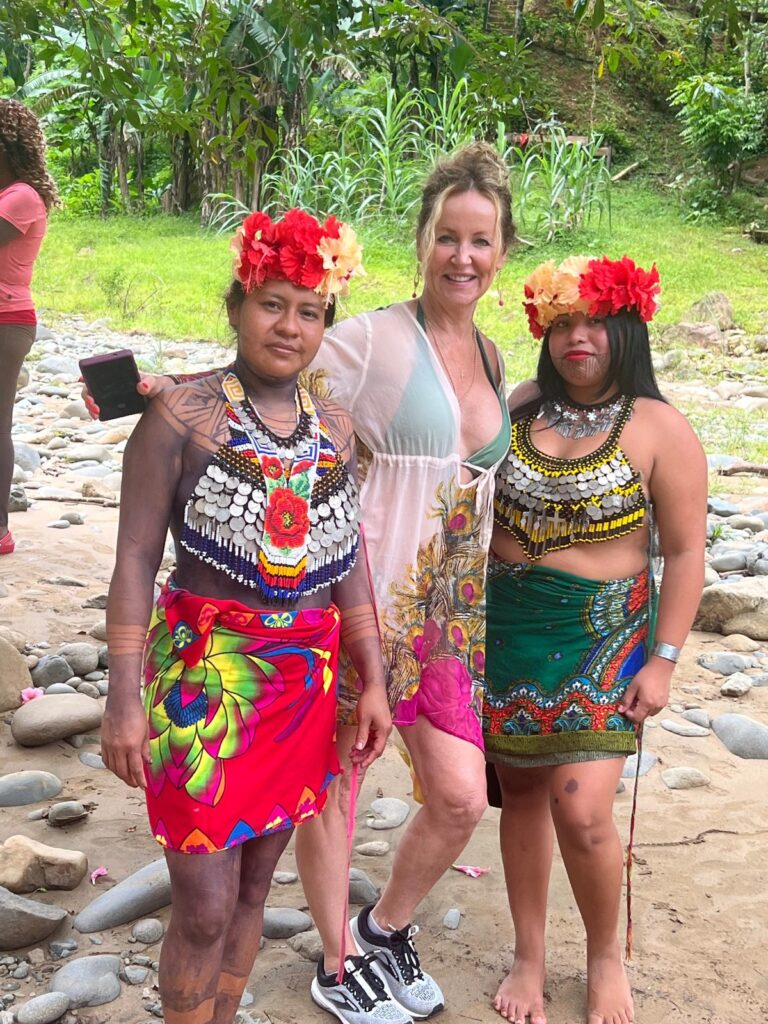
- Embera Village – Enjoy a canoe ride and time in the village, including lunch
Visit Casco Viejo
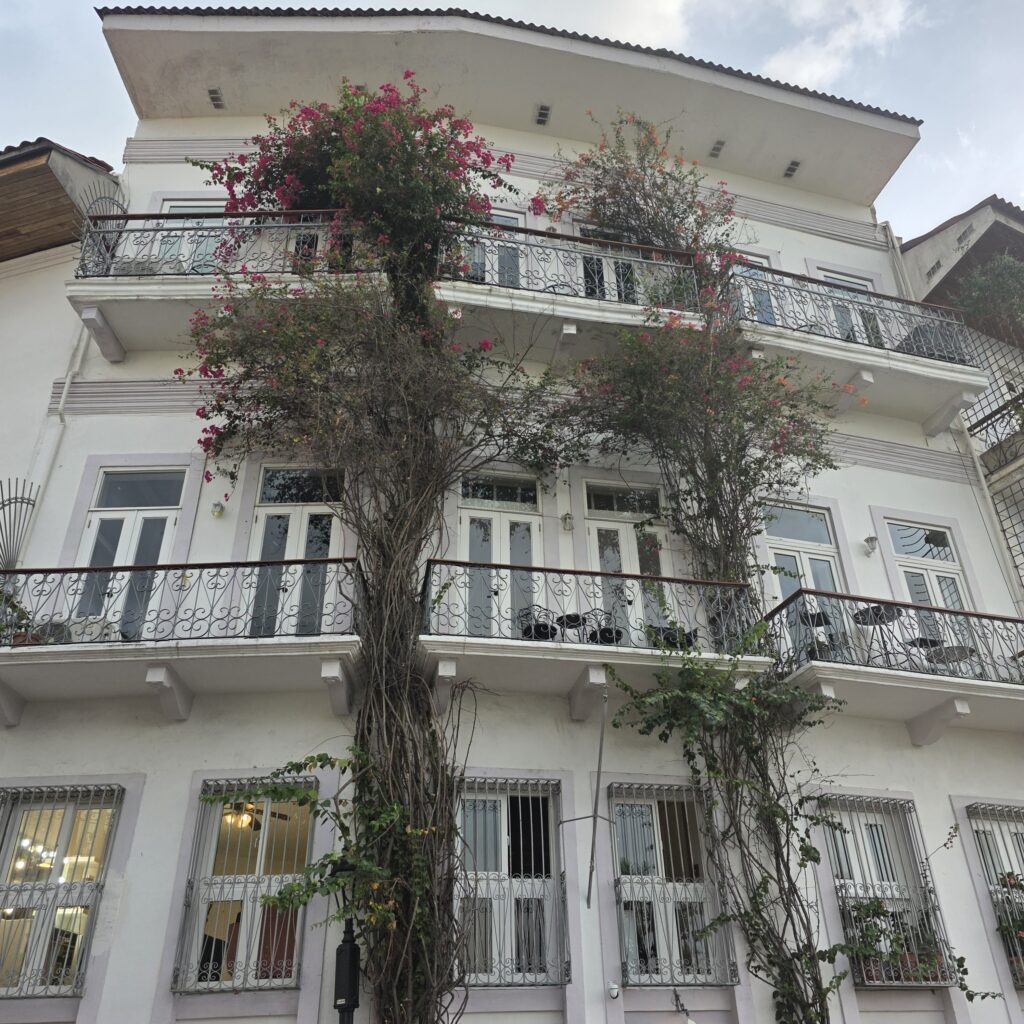
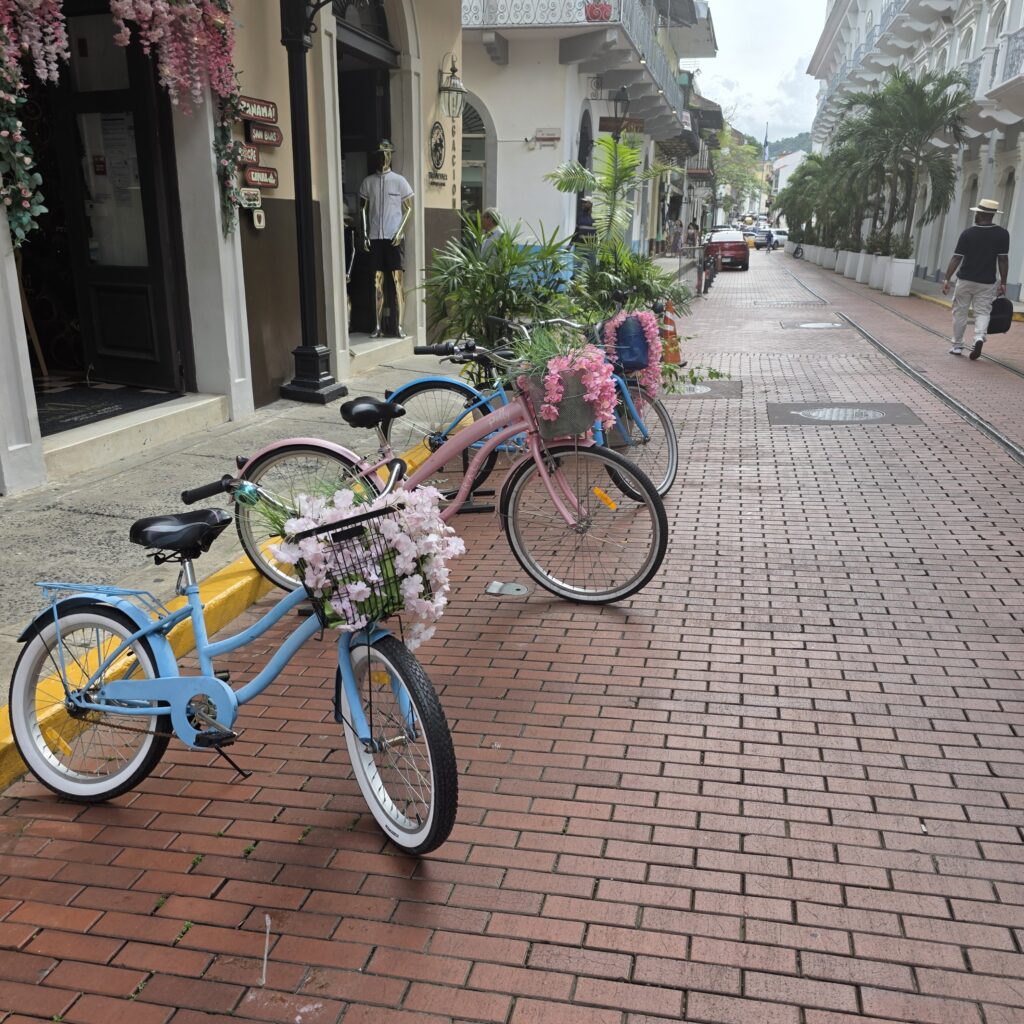
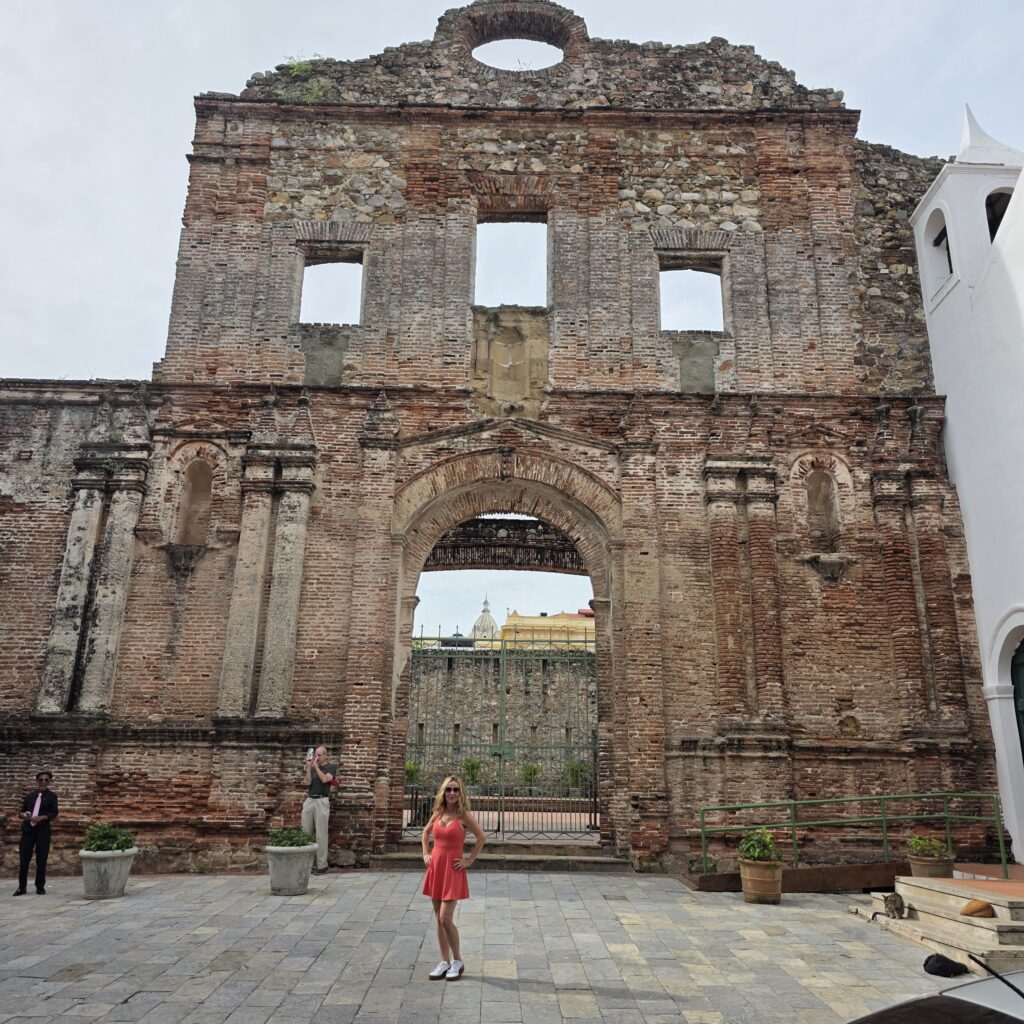
The old town, or Casco Viejo, is the more picturesque, somewhat crumbling, rum-soaked historical part of Panama City. It was built after a pirate, Captain Morgan, burned the original city, and it is a UNESCO World Heritage Site.
I spent so much time in Casco Viejo, and there was so much to see, that I wrote a separate guide just about Casco Viejo.
Approximately 25,000 to 40,000 American expats call Panama home, either full- or part-time. In fact, there are tours specifically for scouting out Panama as a possible retirement home. These relocation tours typically focus on housing, healthcare, residency/visas, banking, real estate, neighborhoods, safety, cost of living, grocery stores, and expat communities.
Retire in Panama
They specialize in small group (8-15) tours and are run by three ex-pats; one from Colombia and two from the U.S. You can book a 3-day or 7-day tour or private tours.
Panama Relocation Tours
Run by an American who is NOT a real estate agent, so hard sales talk, but real advice from someone who has explored and has hands-on experience with all things related to Panama and relocation.
Beyond Panama City: Mountains, Beaches, and Island Life
While Panama City often steals the spotlight with its skyline and canal views, the real magic of Panama happens once you venture beyond the capital.
From the cool mountain air and coffee farms of Boquete to the surf beaches of Santa Catalina, the Caribbean charm of Bocas del Toro, and the colonial streets of El Valle de Antón tucked inside a volcanic crater, Panama offers an incredible mix of landscapes, cultures, and experiences packed into one surprisingly small country.
My Panama Itinerary will help you decide on places outside of the city that fit your travel wish list. I cover Boquete, El Valle de Antón, and the San Blas Islands.
Where to stay?
Panama City is very cosmopolitan, but it offers great affordability when it comes to lodging. Of course, like many similar cities, you can go full-on luxury or bottom-basement budget.
Budget
Hotel Principe
A reliable and budget-friendly option in the lively El Cangrejo neighborhood, Hotel Principe offers clean rooms, a walkable location, and excellent value. It’s close to restaurants, cafés, nightlife, grocery stores, and the metro, making it ideal for first-time visitors wanting convenience without high prices. Amenities include an outdoor pool, restaurant, and bar, free parking, all in a walkable neighborhood.
Rating: Around 4.3–4.5⭐
Price Range: Approximately $50–90 USD per night
Mid-Range Hotels
TRYP by Wyndham Panama Centro
A favorite among travelers looking for comfort, affordability, and a convenient location, TRYP offers spacious rooms, a rooftop pool, spa, and easy access to restaurants, cafes, a casino, and the metro. This is where I stayed. I was very pleased with the quality of the room and amenities.
Rating: Around 4.3–4.5⭐
Price Range: Approximately $80–150 USD per night
Luxury Hotels
Waldorf Astoria Panama
One of the city’s most refined luxury hotels, the Waldorf Astoria offers sleek modern elegance in the financial district with exceptional service and upscale amenities, including a luxury spa, pool and cabanas, fine dining restaurant, and high-end fitness center
Rating: Around 4.6–4.8⭐
Price Range: Approximately $250–500+ USD per night
Restaurant and Bar Recommendations
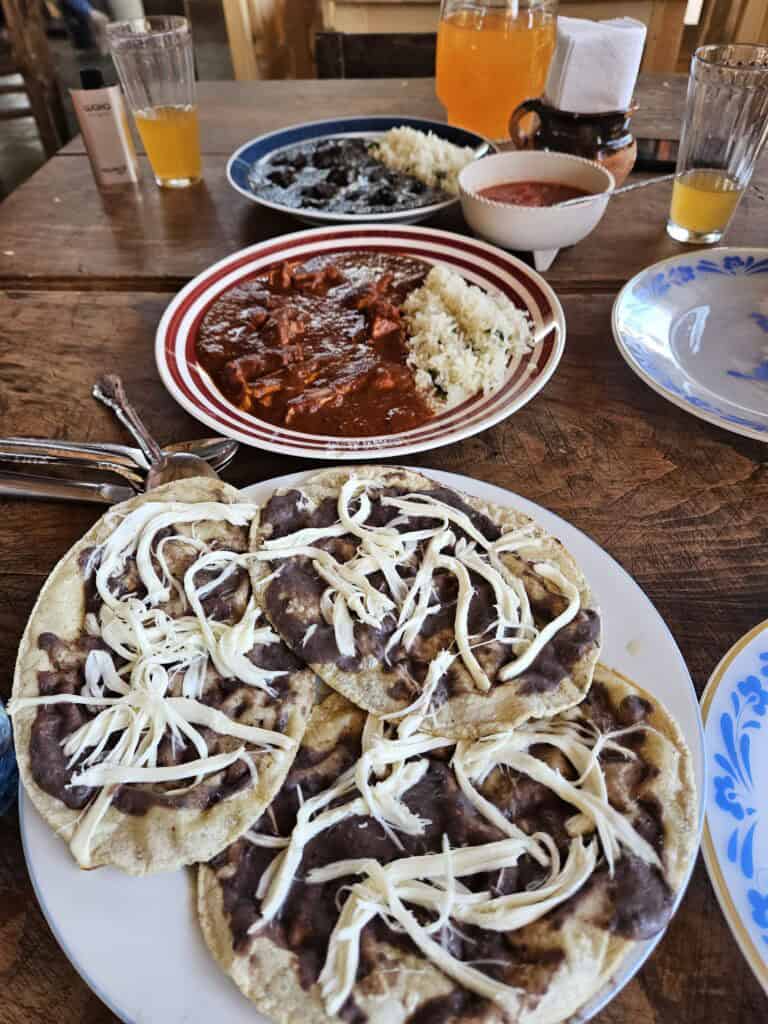
Panamanian food isn’t as well-known as Mexican or Peruvian food, but it is flavorful, colorful, and tasty (not spicy), featuring lots of Afro-Caribbean, Spanish, and indigenous influences.
You’ll find plenty of seafood, tropical fruits, plantains, slow-cooked meats, and plenty of rice and beans.
You can go entirely budget while eating out, or you could easily break the bank, or a combination of the two.
Depending on your budget, eating out might cost:
Budget Traveler: $25-$50/day
Mid-Range Traveler: $75–150/day
High-End Diner: $150–300/day
Fondas are affordable local restaurants where you can fill up on chicken, rice, beans, salad, plantains, and a drink for $4 to $8.
In Panama City, you’ll find some of the major American fast food options like McDonald’s, Burger King, KFC, Starbucks, and Dairy Queen, and there is a high shopping mall, Albrook, that has a food court.
Panama City itself is very cosmopolitan, and you might think you are in Miami with the variety of high-end choices. You can go from a rooftop cocktail to a tasting menu, sushi, and ceviche to an elegant wine bar.
Personally, I tend to opt for cafes during the day and splurge in the evening.
Panama Restaurants
As mentioned previously, I spent most of my time in Casco Viejo, so you’ll find more great restaurant recommendations in my Casco Viejo Guide.
Maito Restaurante – Contemporary Panamanian/Latin American fusion 4.5/5.0
Maito is frequently ranked among the best restaurants in Latin America, with its creative dishes using local ingredients.
Neighborhood: Obarrio
Price Range: $$$$
Best for: Special dinners, foodies, date nights, wine lovers
Azahar Panama – Internantional fusion, seafood, sushi, steaks (4.7) The stunning skyline views are worth checking out Azahar.
Neighborhood: Avenida Balboa
Price Range: $$$$
Best for: Sunset dinners, cocktails, girls’ night, upscale dining
Frank’s Place – International/Steakhouse ( 4.8)The atmosphere is upscale without feeling pretentious, and they have a very nice wine list to pair with a steak.
Neighborhood: Bella Vista
Price Range: $$$
Best for: Relaxed upscale dining, solo dinner at the bar, good wine
As mentioned previously, I spent most of my time in Casco Viejo, so you’ll find more restaurant recommendations HERE.
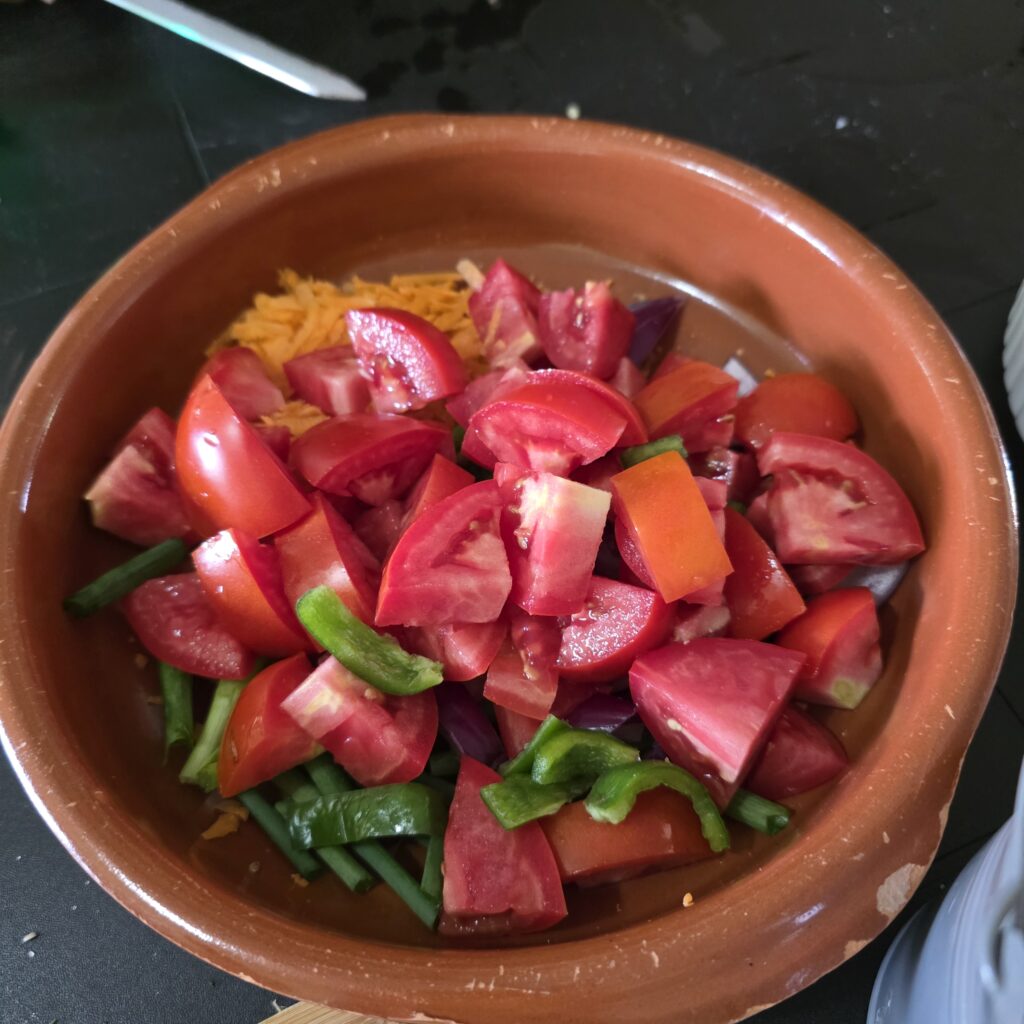
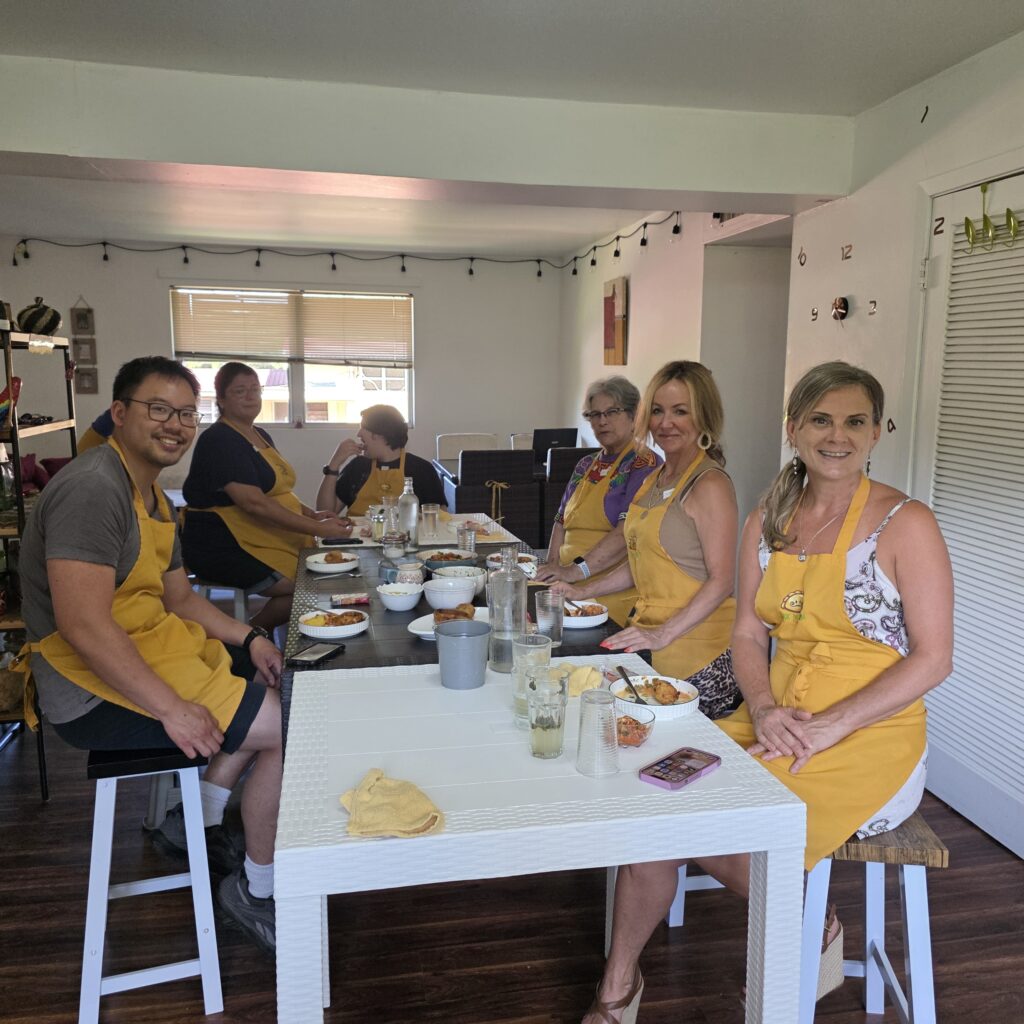
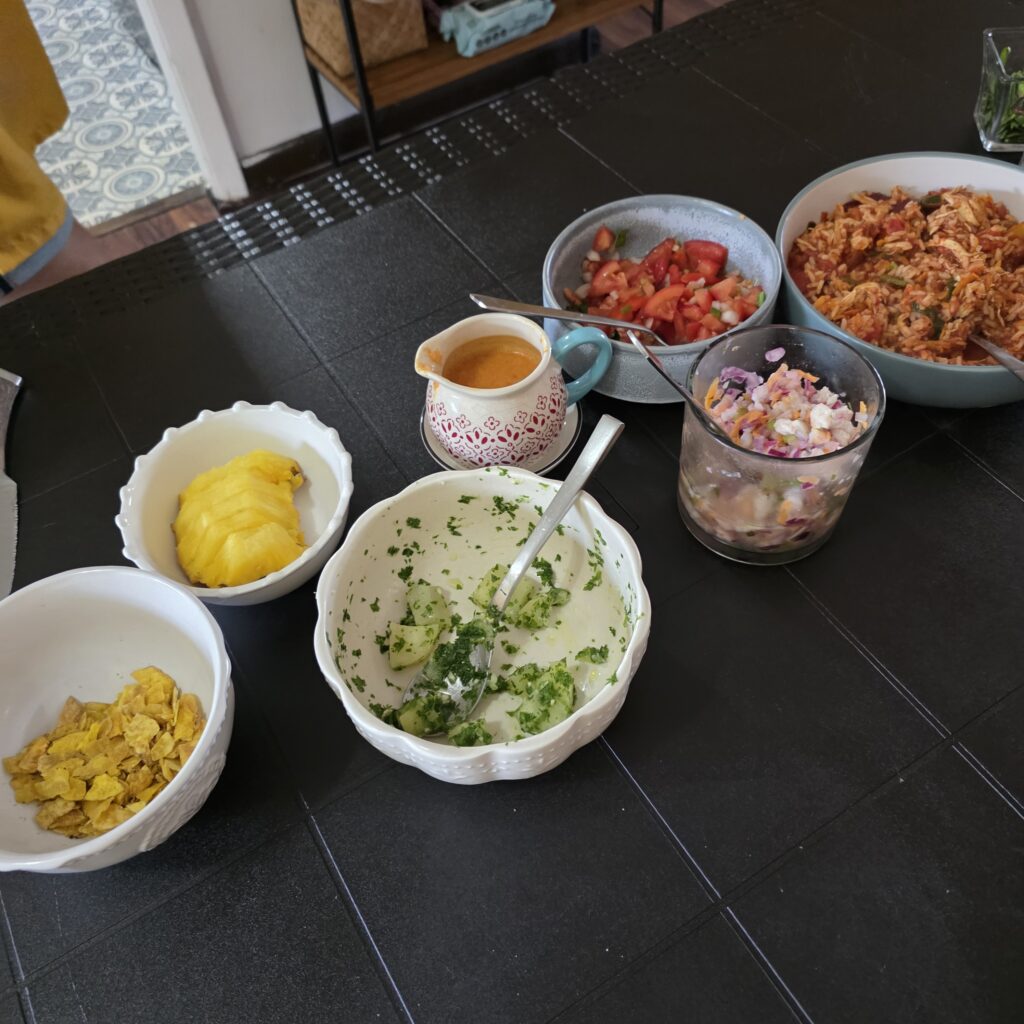
One of the best ways to truly understand a country’s culture is through its food. If you want to go beyond simply eating at restaurants and actually learn about traditional Panamanian ingredients and cooking techniques, consider taking a local cooking class. It’s a fun, hands-on experience that offers a deeper connection to the people, history, and flavors that make Panama so unique.
Check out the cooking class I took with Chef Winnie. It’s a 10-Recipe Boozy Panamanian Cooking Class + Dinner. I try to take a cooking class everywhere I travel, and this one was top-notch.
Coffee Culture
Coffee is one of the country’s best surprises. Many people travel to Panama for the canal, beaches, or tropical scenery. Then they taste the coffee. And suddenly they start Googling: “Can I financially justify bringing home 14 bags of beans?”
Panama produces some of the most respected specialty coffee in the world, especially in the cool mountain highlands around Boquete.
Panama’s Famous Geisha Coffee
Geisha coffee is the superstar of Panamanian coffee.
Originally from Ethiopia, this variety became world-famous after being grown in Panama’s highlands, where farmers discovered it produced extraordinary flavor profiles.
Depending on the roast, Geisha coffee can taste surprisingly floral, tea-like, citrusy, or fruity.
It’s not your average dark roast diner coffee. Personally, I was not a fan, but then again, I’ve been to Ethiopia (the birthplace of coffee) ten times, so I am a tiny bit biased.
Some award-winning Panamanian Geisha coffees have sold for hundreds, even thousands of dollars per pound at international auctions.
Which means somewhere in the world, someone is currently sipping coffee that costs more than my airfare.
Visiting Coffee Farms
There are plenty of coffee experiences throughout Panama. One of the best experiences in Panama is touring a coffee farm or finca, but I would recommend waiting until you get to Boquete. However, if you won’t be going to Boquete, you can still enjoy a coffee tasting with Get Your Guide.
Crafted Geisha Coffee Tasting
During the experience, you’ll assess Geisha and 5 more coffee varieties like a true connoisseur. This immersive sensory journey will deepen your appreciation for the craft behind each cup.
1.5 hours, rating 5, $45 per person.
However, if you follow me, you know that I judge a place by its coffee, and hanging out in cafes is my thing. Happily, I have some great recommendations. Again, be sure to check out my post about Casco Viejo for more cafes in the old town.
Coffee Shops
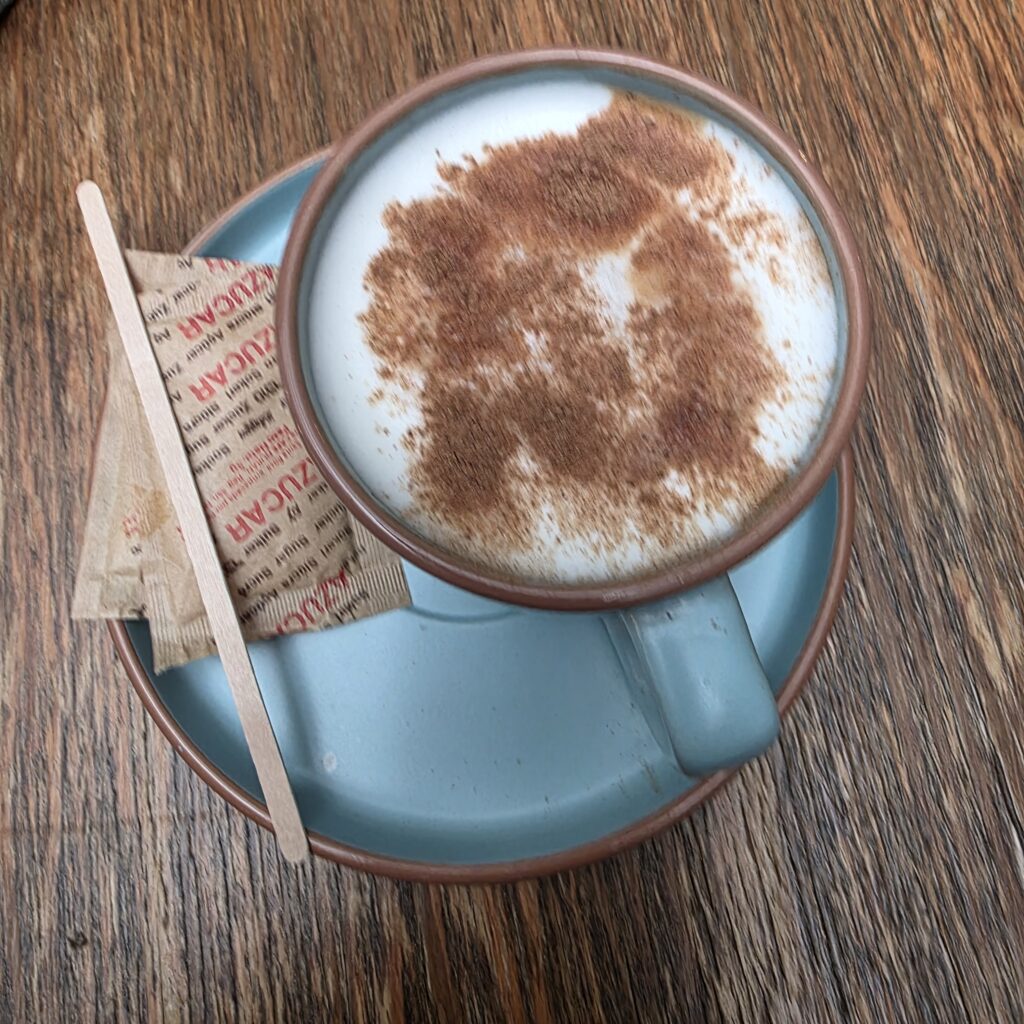
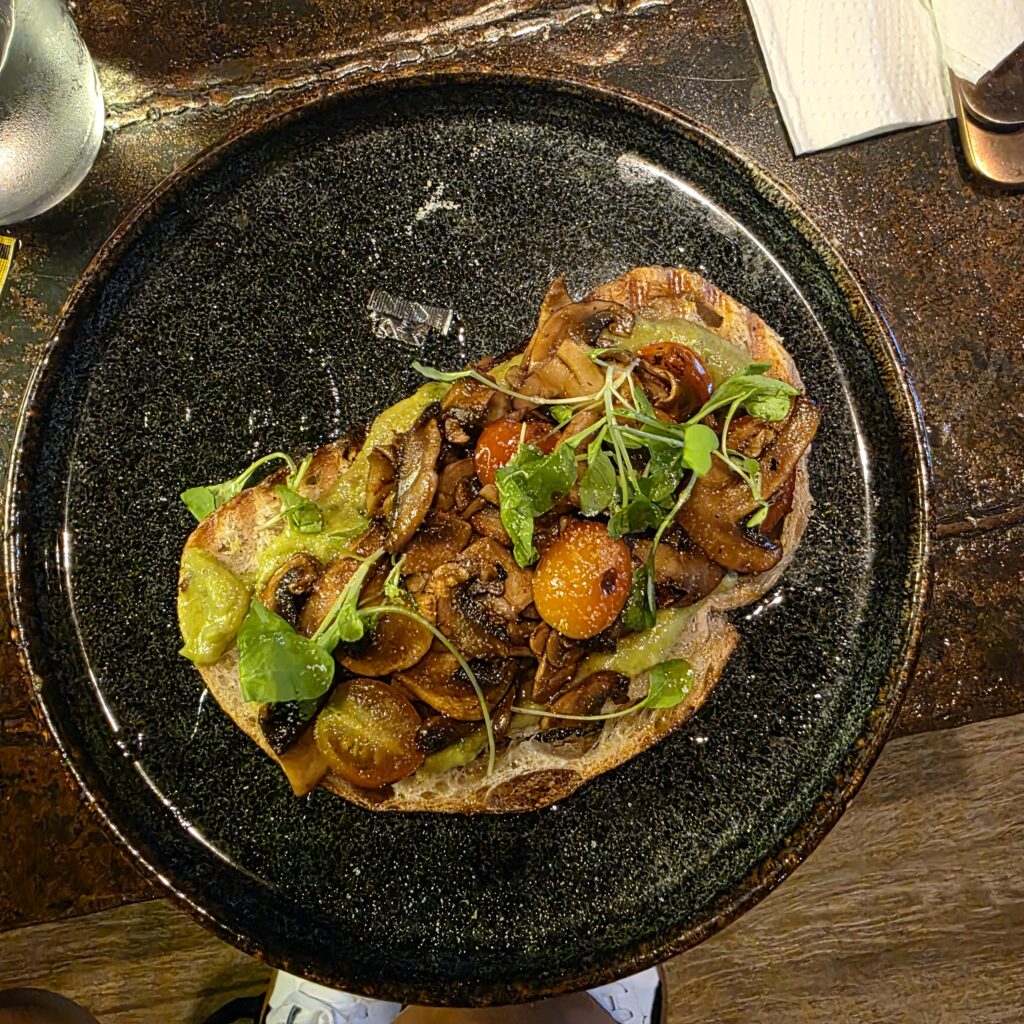
Cabrera – Panama’s first speciality coffee shop, this place could easily be my favorite hangout. The cozy, comfortable seating, good WiFi, outdoor patio, and friendly service made it super inviting. If you add in the delicious, beautifully presented food and the incredible coffee, well, I’m a goner. The menu includes toasts, eggs, pancakes, waffles, bowls, burgers/sandwiches, soups, salads, and an assortment of beverages. 5/5
Panderia Musa – a great spot for a quick cup of coffee and a pastry, both savory and sweet. 4.6/5
Casa Valiente – You’ll find plenty of nooks and crannies to work or to meet with others inside this café. I was inspired by the many quotes on the wall and fueled by the incredible coffee. There is a bakery with fresh-baked goods and a menu that will hit for most people. There is outdoor seating, a beautiful green area, and happy hour to boot.
Is Panama Safe?
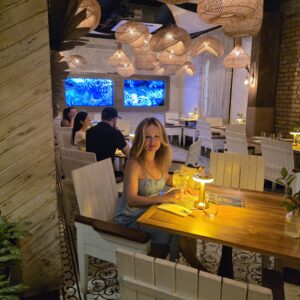

As a solo female traveler, safety is always part of the equation for me. And honestly? Panama felt far safer and more comfortable than many people imagine when they hear “Central America.”
That doesn’t mean you should toss caution into the Caribbean and wander dark alleys at 2:00 a.m. wearing flashy jewelry while balancing a margarita in each hand. But with normal travel awareness, Panama can be a fantastic destination for women traveling alone.
The risk of violence in the city is low. Most crime is of the non-violent variety (pick-pocketing and cell phone theft). Add to it the high police presence, and a woman can safely walk alone, even in the evening. However, it is advised to get an Uber if you are out very late. It’s better to be cautious, and since Ubers are cheap, it’ll also save your feet for sightseeing the next day.
Some reasons why Panama is safe:
- A relatively stable government
- A strong economy
- A large expat population
- Good tourism infrastructure
- Widespread U.S. influence due to the Panama Canal
- Police presence
Is Panama Friendly to American Travelers?
In general, Panamanians are kind, friendly, helpful, and family-oriented. Panama has had a long historical and business relationship with the United States, you know, that whole Panama Canal thing and all.
Due partly to the Pensionado Program, which is one of the best retirement residency programs in the world, Panama is a US retirement hotspot. The pensionado program offers discounts for everything from movie tickets, electricity, phone bills, airline tickets, restaurants, healthcare services, and more.
Plus, its proximity to the U.S. makes it attractive, as does the stability of the country, modern infrastructure, and affordable healthcare.
The Best Time to Visit Panama
Panama is tropical and offers warm temperatures year-round. What you really want to plan for is the rain. The dry season runs from December to mid-April. However, if you do visit during the rainy season from May to December, most showers only last for an hour or two.
The Caribbean Coast receives more rainfall, while the Pacific Coast has slightly lower temperatures. The best months to visit are January, February, and March when the temperatures hover in the 80s, and there is plenty of sunshine.
Temperatures don’t vary much from season to season, but altitude can impact temperatures to a greater degree. For example, along the coast, you can expect daytime temperatures in the 80s and 90s and nighttime temps in the 75-80 degree range, while in the higher altitudes of Boquete and El Valle de Anton, you have likely experienced 65 – 80 degrees, while nighttime temperatures dip into the 50s.
If you want itinerary recommendations, click here for three curated Panama Itineraries.
Panama Packing Tips for Tropical Weather
When you pack for Panama, keep in mind to pack for heat, humidity, rain, tropical beaches, hiking (if that’s your thing), and cooler mountain areas.
My recommended list:
- Light-weight, breathable items
- Shorts 🩳
- Sundresses
- Hat 👒
- Sunscreen
- Umbrella ☂️
- Bug Spray
- Water Shoes/Good Hiking Shoes/Sandals
- Backpack
- Water Bottle
- Bathing Suit 🩱
- Rain Jacket/poncho
- T-shirts 👕
- Light Jacket or Wrap
- Waterproof phone pouch
Getting Around Panama Without Losing Your Mind
After arriving in Panama, most likely at Tocumen International Airport, you are approximately 25 – 45 minutes into the city, depending on where you’re staying and the traffic.
Your best bet is to take Uber. It takes away the language barrier, is many times cheaper than grabbing a taxi, and, based on my experience, super reliable.
If you are traveling to other areas outside of Panama City, like San Blas, David, or Bocas del Toro, you have three options:
1. Domestic Flights – are very inexpensive, save you time, and the exhausting experience of a long bus ride. Air Panama flies regularly from Albrook Airport in Panama City to domestic locations ranging from $80 to $350. Be sure to check the luggage restrictions due to the luggage limit of smaller planes.
2. Long Distance Bus – are very economical, comfortable (AC on the major buses), reliable, and great if you don’t mind long bus rides. The main terminal is at the Albrook Mall.
* I tried to buy my ticket a day in advance, but learned that they only sell them on the day of travel. You may need to switch buses depending on your final destination. Sometimes switching means you may need to catch a local bus.
On the long-distance buses, prices range from $8 to $30, and luggage is usually restricted to one suitcase and one overhead bag.
The more rural the area, the smaller, more crowded, and the more stops the local buses make, so be prepared.
3. Rental Car – great if you are traveling outside of the city. Personally, I’ve never rented a car in all of my travels, but hey, you do you. After researching, it appears the daily rental is much cheaper than in the U.S., but when you add the mandatory insurance, it can actually be higher. So be sure to read the fine print.
What I Wish I Knew Before Visiting

- I expected more tropical jungle, and landing in Panama City, the skyline had me second-guessing where I was.
- The humidity is no joke, and my hair is the proof.
- You might freeze….from the aggressive AC. Unlike other countries in Central America, Panamanians love their air-conditioning
- There is no need to exchange money; they use the American dollar. Coins are Panamanian, but they are of equal value
- You can get by without knowing much or any Spanish. Especially in areas frequented by tourism or expats, many people are accustomed to interacting with Americans. However, it is always nice to know a few phrases and greetings.
- The electrical outlets are the same, so no need for an adapter
Final Thoughts: Would I Return to Panama?
Absolutely.
Panama surprised me in ways I didn’t expect. I came for the tropical beauty, coffee, mountains, islands, and the famous canal. But what stayed with me most were the small moments in between, the moments that never make it into the glossy tourism brochures.
Panama feels layered. One moment you’re standing beneath gleaming skyscrapers in Panama City, wondering if you accidentally wandered into Miami, and the next you’re sipping coffee in the cool mountain air of Boquete while rain drifts softly through the hills.
And then there are the moments that remind you why travel matters in the first place.
After a long hike one afternoon, I stood by the roadside waiting for a public bus that apparently existed only in theory. Minutes stretched into longer minutes. The tropical heat wrapped around me, and I started mentally calculating just how far the walk back to town really was.
Eventually, I gave up and started walking.
A few minutes later, a rattling old rust bucket of a pickup truck appeared, the kind that looked held together by duct tape. There was no wall separating the cab from the truck bed, just open air and possibility. The driver slowed, looked at me through the rearview mirror, and motioned toward the back.
So naturally, I climbed in.
As we bounced violently down the road, dust flying and wind whipping through my hair, I laughed the entire way. We attempted conversation, his nonexistent English meeting my very questionable Spanish somewhere in the middle. There were smiles, hand gestures, and mutual confusion, which somehow still felt like communication.
When we reached town, I jumped out of the truck, waved enthusiastically, and shouted, “¡Gracias!”
And honestly? That single imperfect, dusty, ridiculous ride may be one of my favorite memories from Panama.
Because that’s the thing about travel. Sometimes the best moments aren’t the landmarks or the carefully planned itineraries. Sometimes they’re the unexpected rides, the strangers who help you along the way, and the stories you never could have planned if you tried.
And yes… I would return to Panama in a heartbeat.
Happy Travels!
xoxox
Susanne
Best Articles Chosen For You
How Italy Helped Me Find the Love of My Life

About Susanne Suite Style Blog
How to Wear White Boots this Spring

Hey, I’m Susanne
A blog for smart, fun and fit women who love fashion, travel, food, fitness and adventure. If you want to know more, check out my About page.
Let’s Connect
related articles