

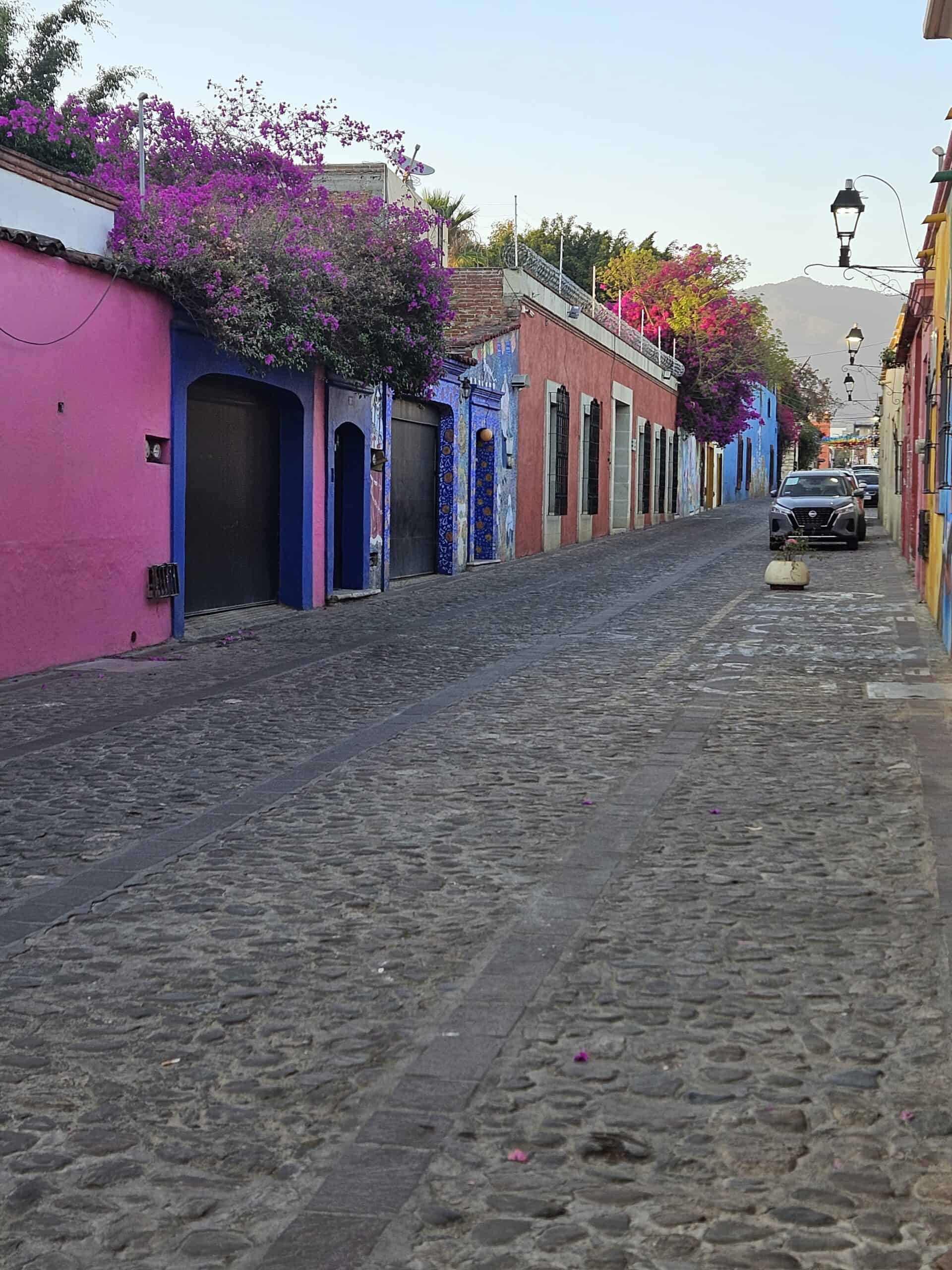
If world-class cuisine, colonial architecture, rich culture, and historical sites are what you seek. In that case, you can’t beat Oaxaca, Mexico.
Whether you’re here for a few days or a few weeks, there’s no shortage of things to experience. During the month I spent exploring Oaxaca as a solo female traveler over 50, I didn’t run out of things to do.
Experiences range from exploring colorful street murals, attending a Lucha Libre (if you are a fan of the movie, Nacho Libre, you’ll want to check out one of the Lucha Libre events), to touring a palenque to learn about mezcal. Oaxaca offers a little something for every kind of traveler.
And a bonus, Oaxaca is extremely safe. As a solo, female traveler who understands how important safety is while traveling alone, I’ve compiled a travel guide for Oaxaca filled with information, tips, and tricks for staying safe while in Oaxaca.
This post may contain affiliate links. I may earn a small commission—at no extra cost to you—if you make a purchase.
A little background
Oaxaca (pronounced “wah-hah-kah”) is both a city and a state located in southwestern Mexico, with a coastline on the Pacific. The city is officially called Oaxaca de Juárez and is home to 16 diverse indigenous groups, as well as the traditional dishes mole and mezcal. In fact, it was named the best city in the world by Travel+Leisure’s World’s Best Award (2023) and is also a UNESCO World Heritage Site
If your travel destination requirements must-haves include a beach, you are in luck. If you’re the more active sort and want to get in some hiking or biking, I’ve got you covered. If you are into museums, history, or simply learning, you will geek out. If you are a foodie and want great restaurants or perhaps want to take a cooking class, you are gonna love Oaxaca.
Here’s your ultimate guide to the best things to do in Oaxaca City and the surrounding region.
Engage with Local Art and Creativity

If you are an art lover like I am, you will be in your version of nirvana in Oaxaca.
Oaxaca is often called the artistic heart of Mexico, and for good reason. The city is alive with color and creativity, and art isn’t confined to galleries but spills onto streets, markets, and even household courtyards.
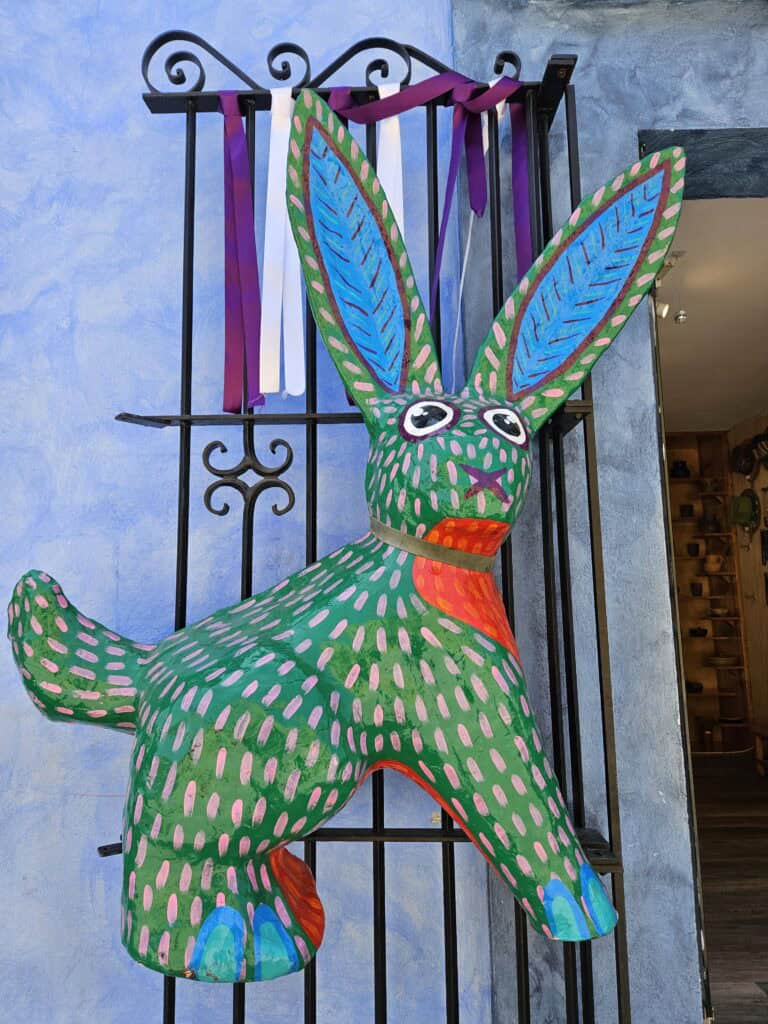
You’ll be enchanted by the number of art galleries displaying both modern and traditional art. Oaxaca is steeped in folk art, with the most recognizable being the colorful wooden alebrijes (carvings of animals and mythical creatures), which you can find in miniature sizes to the ginormous.
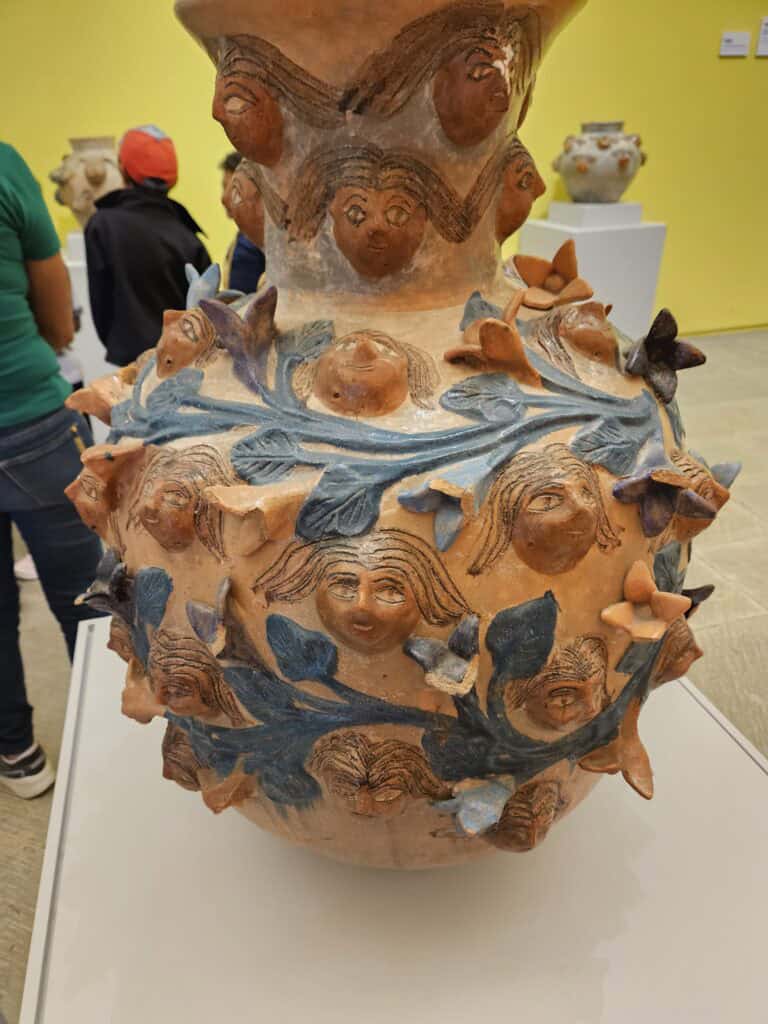
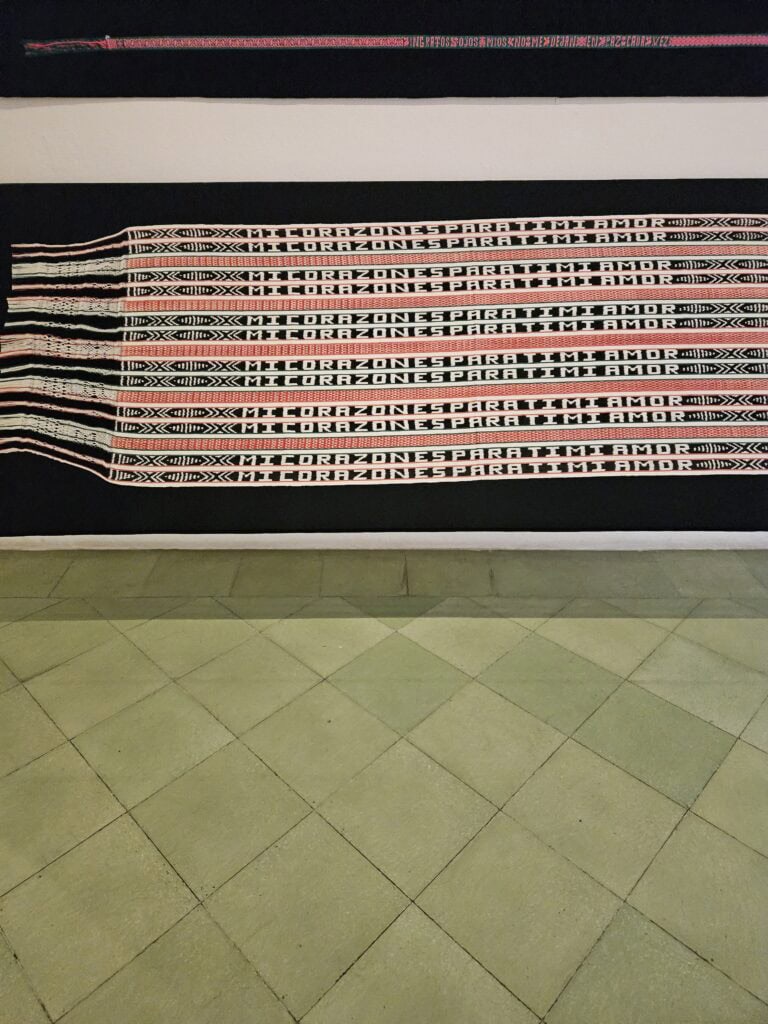
Oaxaca is also known for textiles, including hand-woven woolen rugs and traditional clothing. Pottery making is another long-held traditional craft, and the black pottery is a particularly well-known style of the region.
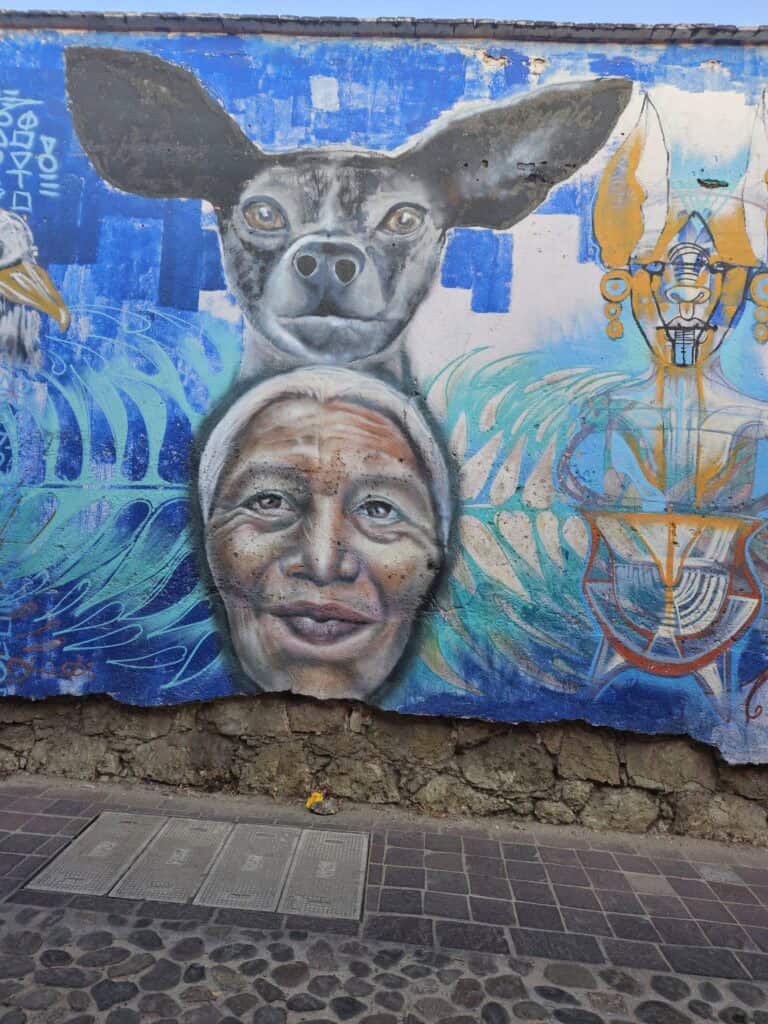
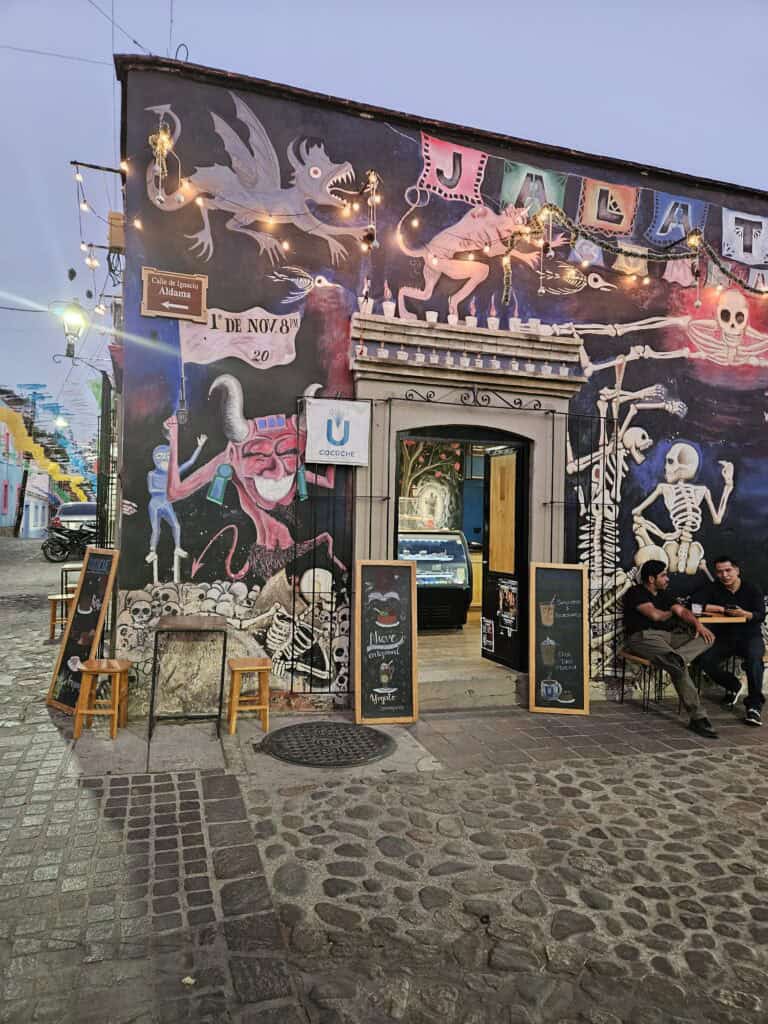
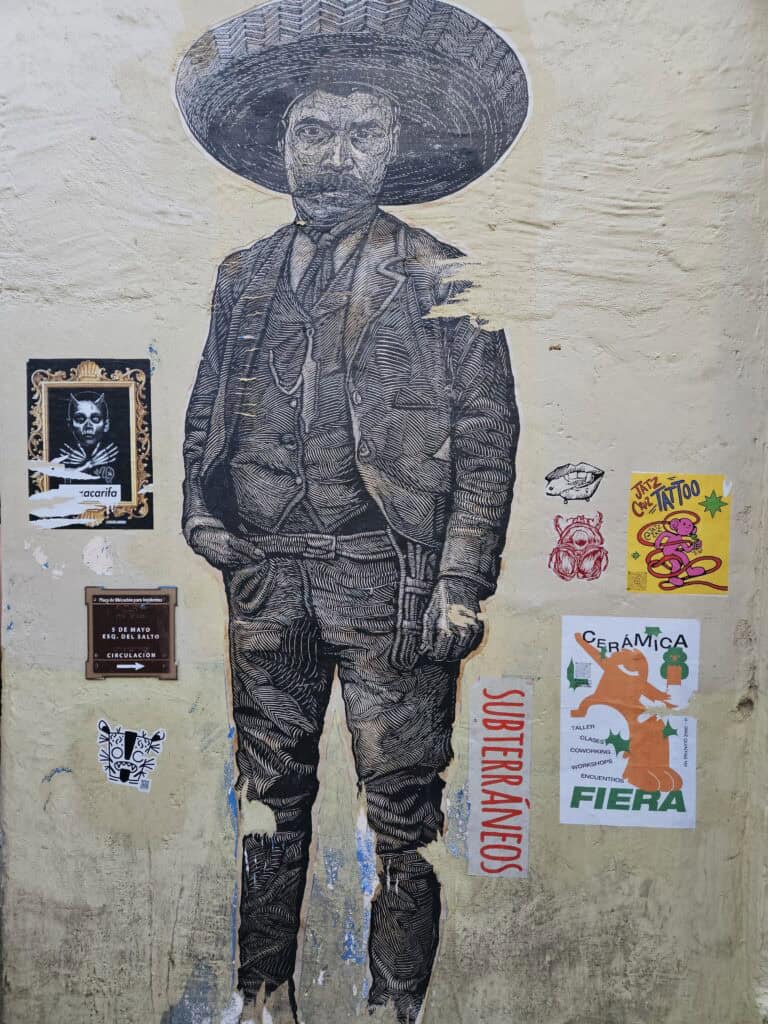
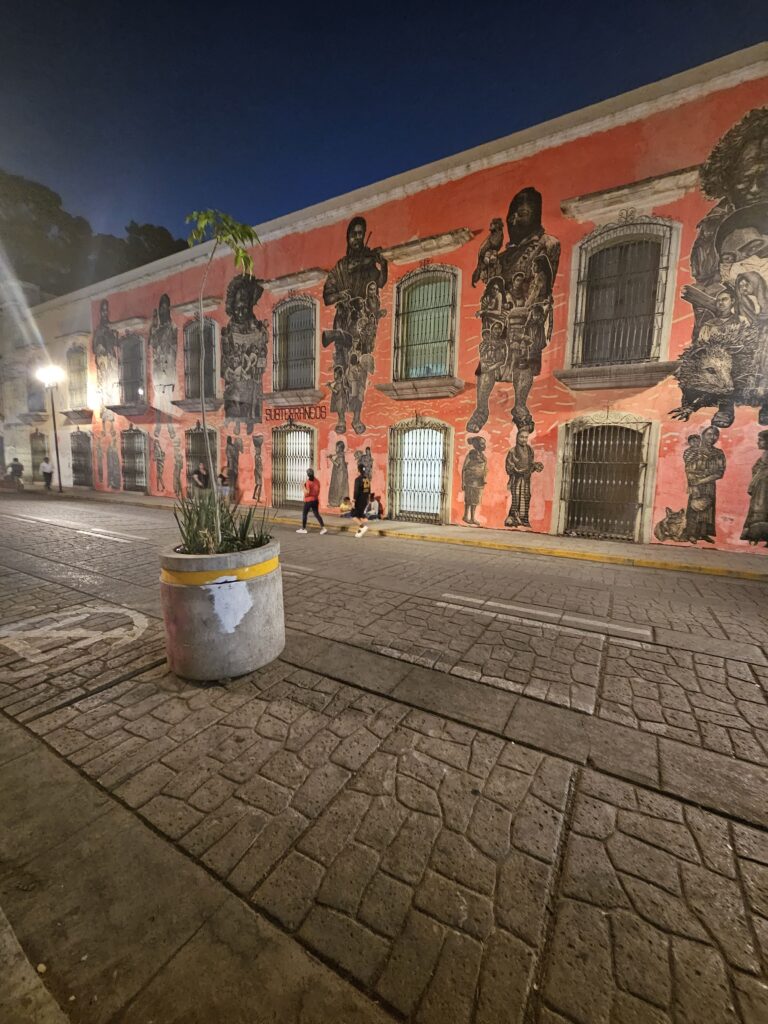
Wander through the neighborhoods of Jalatlaco or Xochimilco, and you’ll find street murals and printmaking. Street art here isn’t just decoration, it’s storytelling, reflecting the voices and struggles around themes of social justice and local community issues.
A great way to explore street art, learn about the artists, and hear about the meaning behind the art is to join a walking tour. I found GuruWalk’s guides to be extremely knowledgeable.
GuruWalk is found all over the world. They utilize local “expert” guides, and the tours are technically free, but you pay what you want in the form of a tip. While in Oaxaca, I signed up for the Murals and Arts of Jalatlaco Free Walking Tour with a 5-star rating.
Explore Oaxaca’s Art and Culture with a Guided Tour
I studied art and humanism in Florence, Italy, and as a solo female traveler over 50, I’ve learned how powerful it is to experience a city through its creativity. Oaxaca’s vibrant art scene, murals, galleries, and local studios offer the perfect way to connect with culture. That’s why I recommend booking an art tour to truly discover the city’s soul.
Museums
Museo de Arte Contemporáneo de Oaxaca (MACO). This museum has permanent exhibits of five well-known Oaxacan artists and also has a rotating collection of modern exhibits. Open daily 10:30 a.m. – 8:00 p.m., except Tuesdays
Museo de los Pintores Oaxaqueños, MACO (Museum of Contemporary Art and Oaxaca Cultures) created to protect, preserve, and disseminate the work of Oaxacan artists on a national and international level. Open daily, check online since times vary, the entrance fee is about US $2.50.
La Mano Mágica Galería Vibrant venues where artists reinterpret indigenous themes through painting, printmaking, weaving, and sculpture. Open daily except Sundays. Café and craft store located on site.
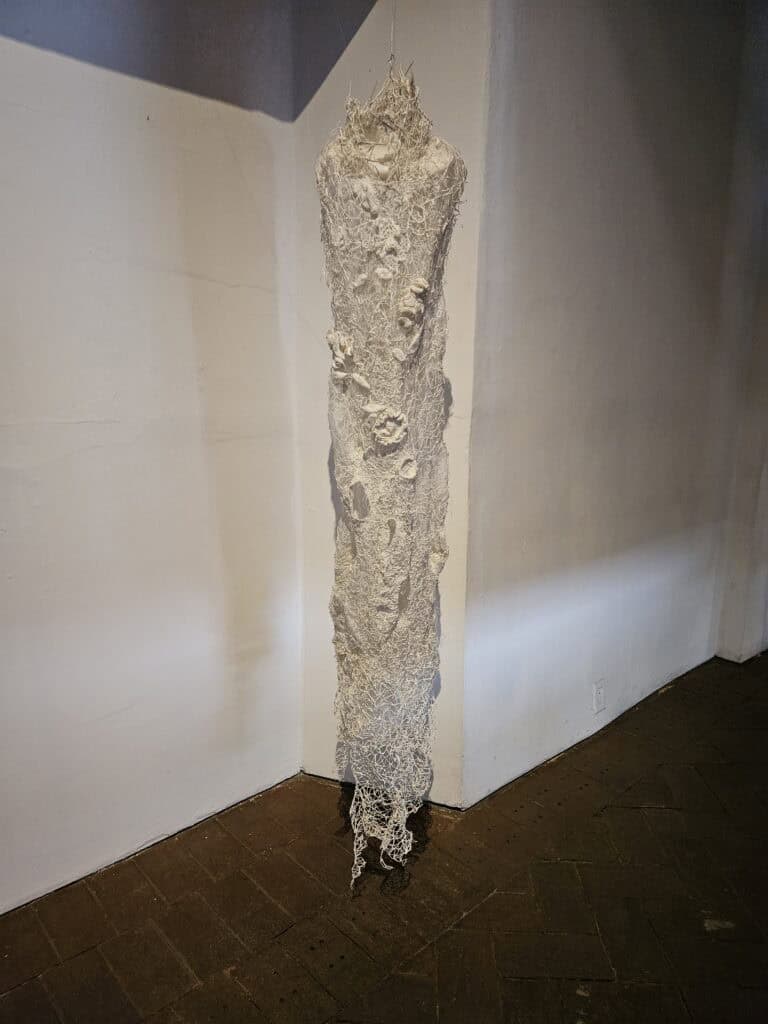
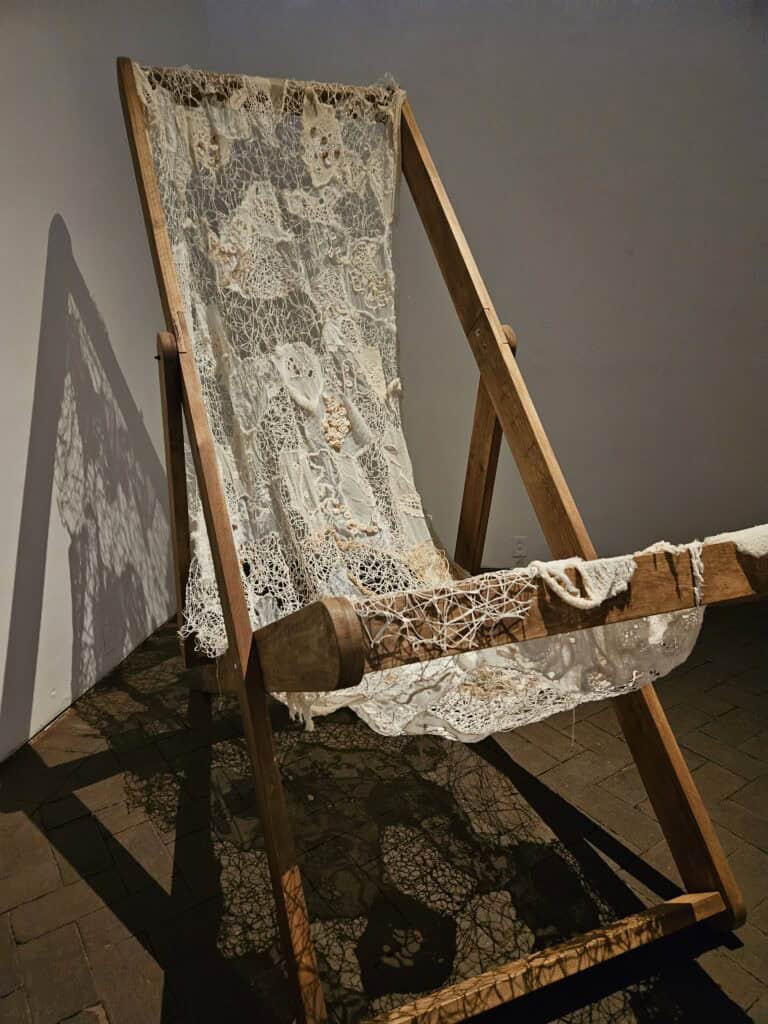
Textile Museum of Oaxaca – a very small, contemporary, and beautiful museum with free admission. Open daily from 11:00 a.m. – 6:00 p.m.
Outside of Oaxaca
Teotitlán del Valle, A famous weaving village located about 25km southeast of Oaxaca, Zapotec weavers continue centuries-old practices, dyeing wool with natural pigments like indigo, cochineal, and marigold.
****If you are creative and desire a more immersive experience, you can paint alebrijes, try wood engraving, or print making alongside local artists, with excursions that often extend to artisan villages
San Martín Tilcajete, you’ll find workshops carving and painting alebrijes, brightly colored wooden creatures that look like something out of a dream. You can wander from workshop to workshop and learn about the process while shadowing a local artist. Painting your own alebrijes is an option. Other artisan villages specialize in pottery, embroidery, or metalwork, each carrying forward ancestral techniques passed down through generations.
Talismán Oaxaca offers multi-day art and culture workshops, teaching watercolor, natural pigment techniques, papermaking, collage, and more, often including retreats coinciding with cultural moments like Día de Muertos or Carnaval, and even trips to local markets and studios. Located just a few minutes from the center of Oaxaca.
Meanwhile, the Centro de las Artes San Agustín (CaSa), founded by Francisco Toledo in a repurposed textile mill, not only hosts exhibitions but also provides residencies, eco-friendly print and digital graphic workshops, photography labs, and courses in musical composition. Located 15 km from Oaxaca.
Oaxaca: Monte Alban, Alebrije Workshop, and Black Pottery
Embark on a captivating journey through the heart of Oaxaca’s history and artistry. Visit the ancient Zapotec city of Monte Alban, a charming artisan town, and a black pottery workshop.

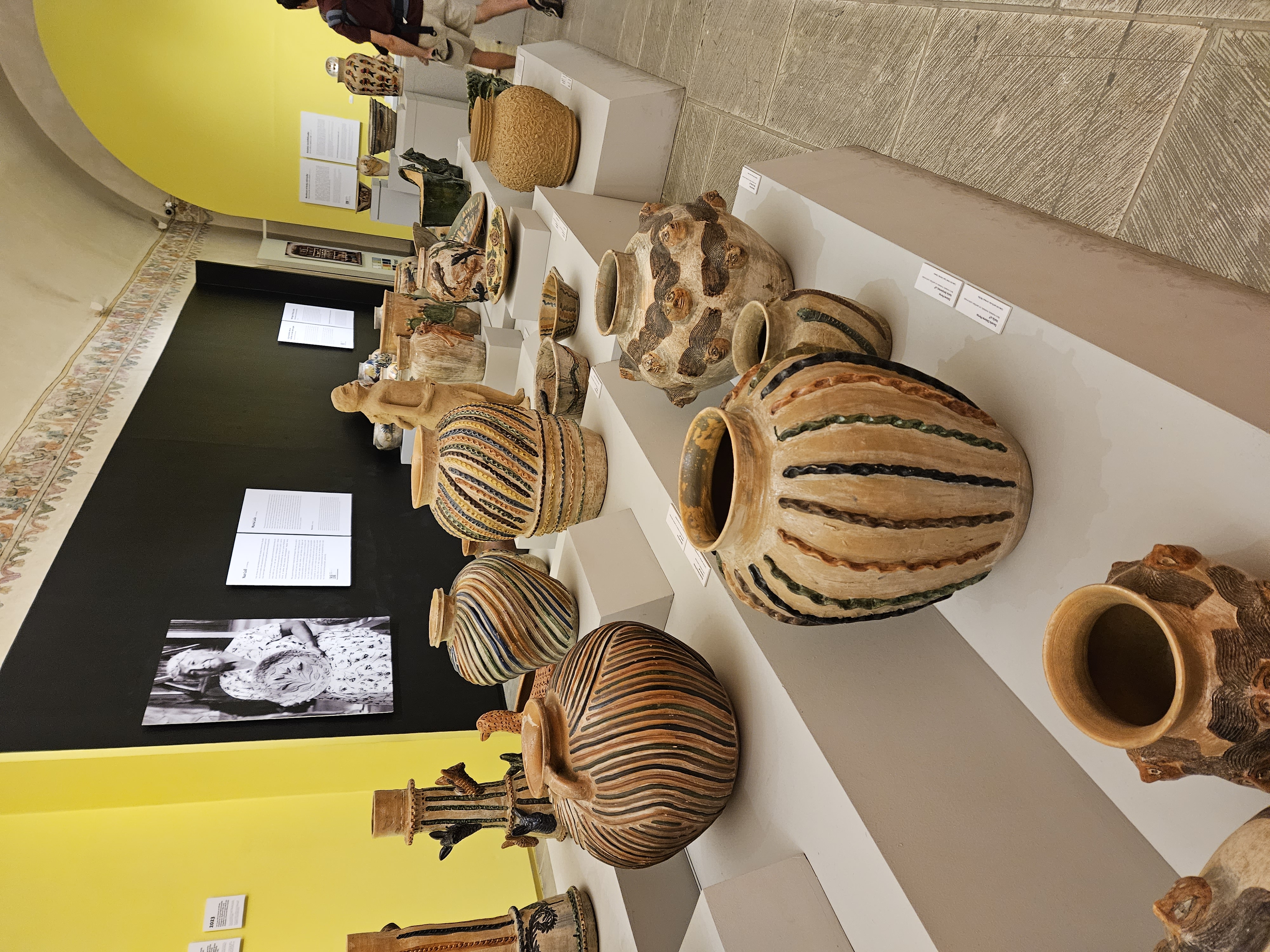
Oaxaca: Artisan Clay Pottery Workshop w/Breakfast and Brunch
Discover the art of Zapotec pottery in San Marcos Tlapazola. Learn to extract and prepare red clay, craft your own piece, and enjoy a traditional Oaxacan brunch.
Art Workshops and Chocolate Shops Tour in Oaxaca
Dive into a captivating journey through Oaxaca. You will visit fascinating art galleries and delightful local chocolaterías. Discover the cultural magic of the land.
Immerse Yourself in Colonial History & Architecture
Oaxaca’s Centro Histórico is a UNESCO World Heritage site, and it’s easy to see why. Pastel façades, cobbled streets, arched colonnades, and leafy courtyards create the perfect backdrop for an afternoon of exploration.
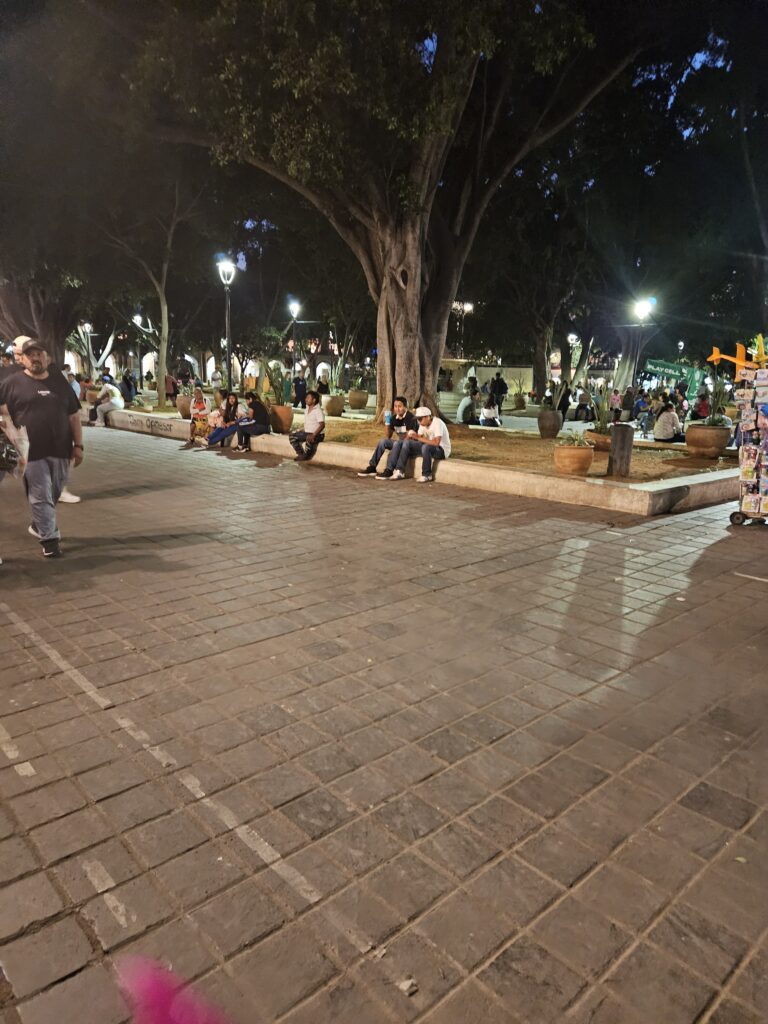
At the very center of Oaxaca City you’ll find the Zócalo (Plaza de la Constitución), the historic main square and the heart of local life. This lively plaza has been the city’s gathering place for centuries, and today it remains one of the top things to do in Oaxaca City for visitors and locals alike.
The square is full of activity; vendors selling balloons, fresh fruit snacks, ice cream, and souvenirs, families out for a stroll, and shoe shine stations are all part of the normal part of life in Oaxaca.
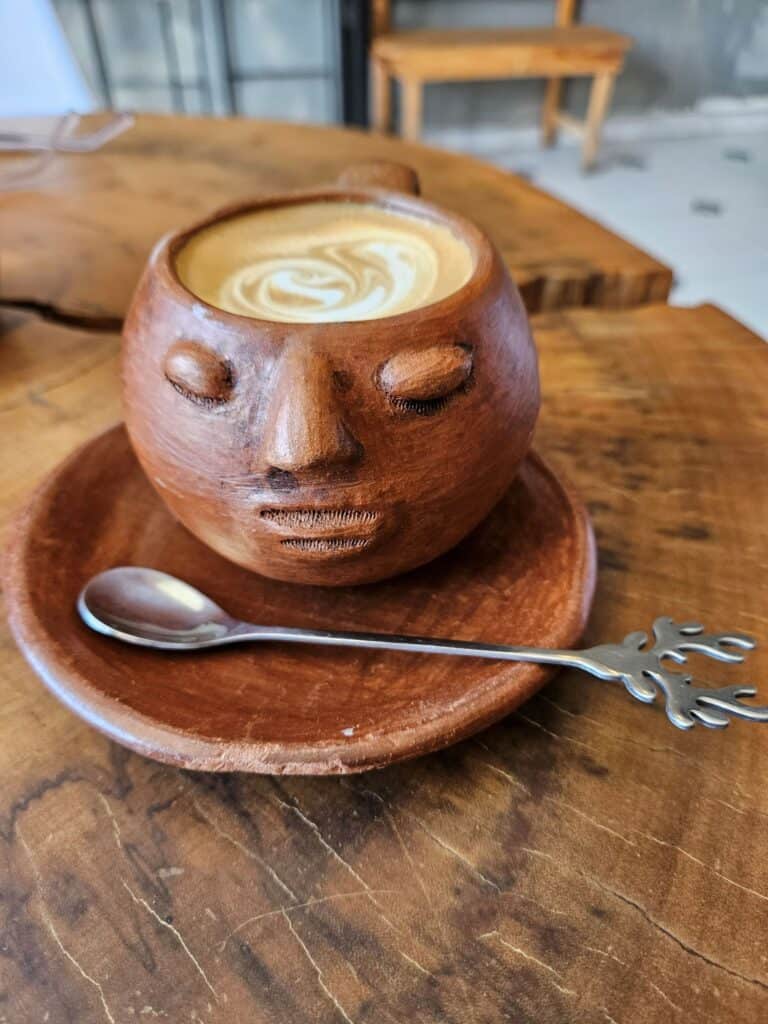
Shaded by leafy trees and lined with benches, the Zócalo is the perfect spot to pause during a day of sightseeing, sip a coffee, or enjoy a refreshing scoop of Oaxacan nieve. The square connects to the city’s neighborhoods through its arched portals, making it easy to wander through the colonial streets back to this central meeting point.
You’ll find a variety of shops, restaurants, and bars located along the square. Grab a seat and order a cold beverage while you people-watch.
Once you’ve had time to rest, you will want to walk along Calle Macedonio Alcalà. The street is lined with colorfully restored buildings and is closed to traffic. You’ll find art galleries, restaurants, cafes, and shops, along with the ever-present vendors. A street to eat, drink, and SHOP!
If you are into historic architecture, then you’ll want to visit some of the other buildings you’ll find inside the city.
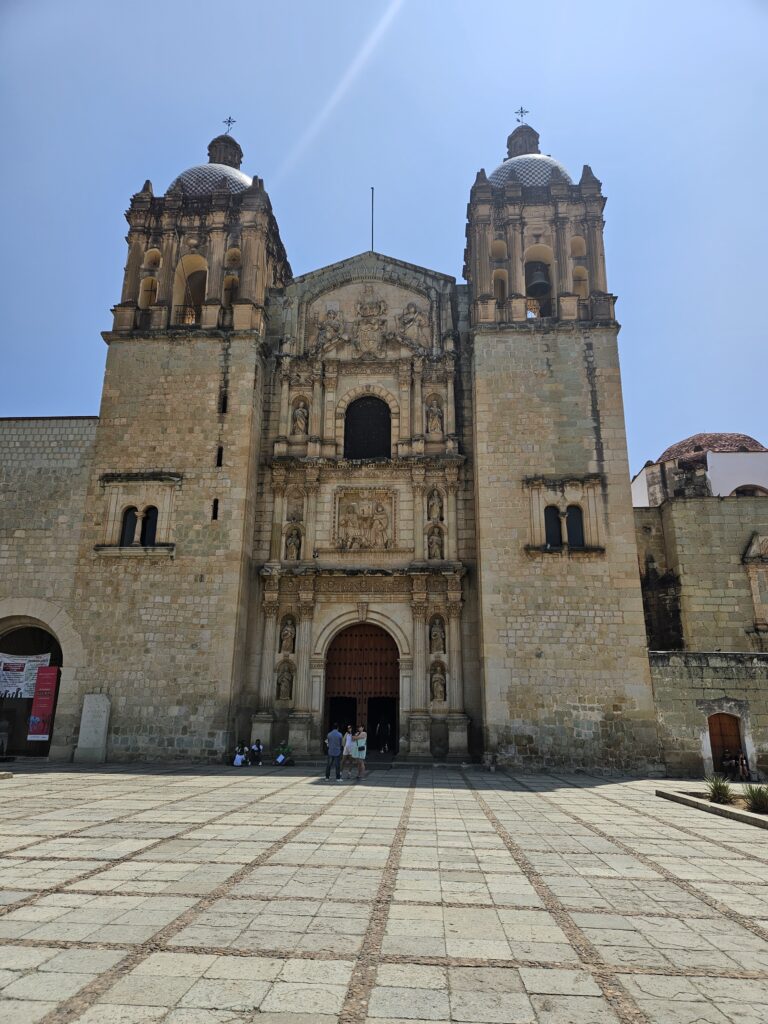
Templo de Santo Domingo de Guzmán
- The crown jewel of Oaxaca’s baroque architecture.
- Famous for its ornate gold-leaf interior, detailed altars, and adjoining former convent (now the Museo de las Culturas de Oaxaca).
- If you are lucky, you’ll happen upon one of the many wedding celebrations, complete with a band, parade, and giant puppets designed to look like the bride and groom
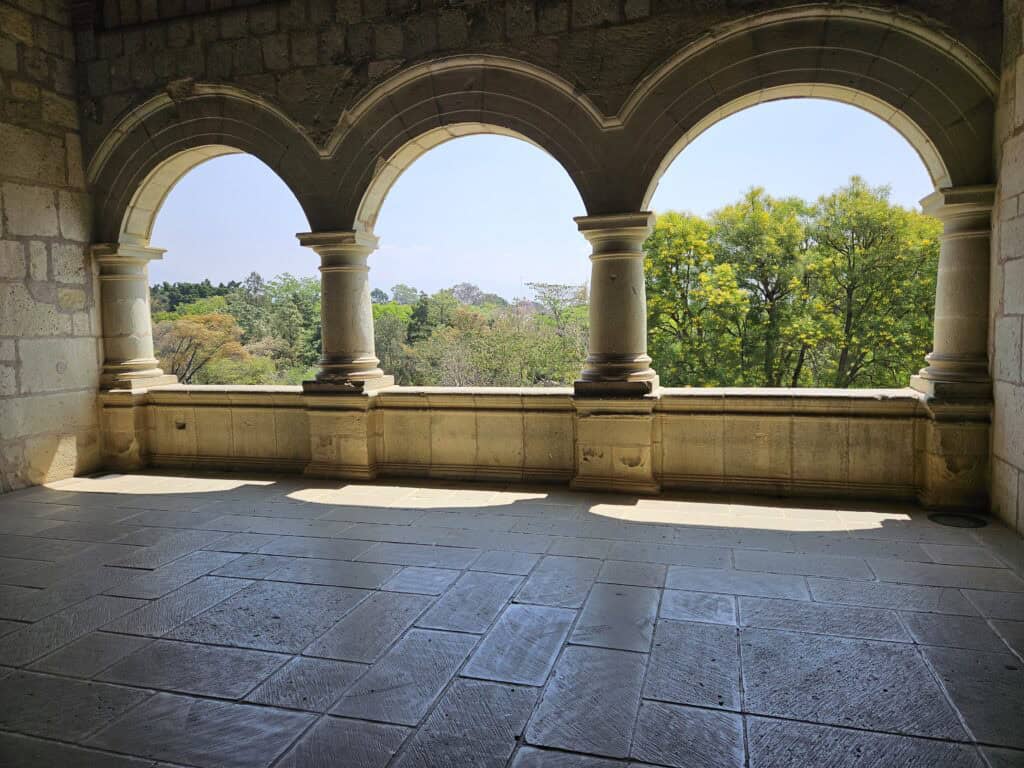
Museo de las Culturas de Oaxaca (located in the former monastery next to Templo de Santo Domingo)
- Houses artifacts from Monte Albán, including the famous Treasure of Tomb 7.
- This was my favorite museum in Oaxaca. I could have spent an entire day inside its rooms exploring the over 10,000 years of Oaxacan history.
- The grounds are beautiful and a great place to escape the heat and sun. Open Tuesday through Sunday, 11:00 a.m. – 8:00 p.m.
Basílica de Nuestra Señora de la Soledad (Basilica of Our Lady of Solitude)
- Dedicated to Oaxaca’s patron saint, this 17th-century church has an elegant façade and houses a revered statue of the Virgin of Solitude.
- A popular pilgrimage site and architectural icon.
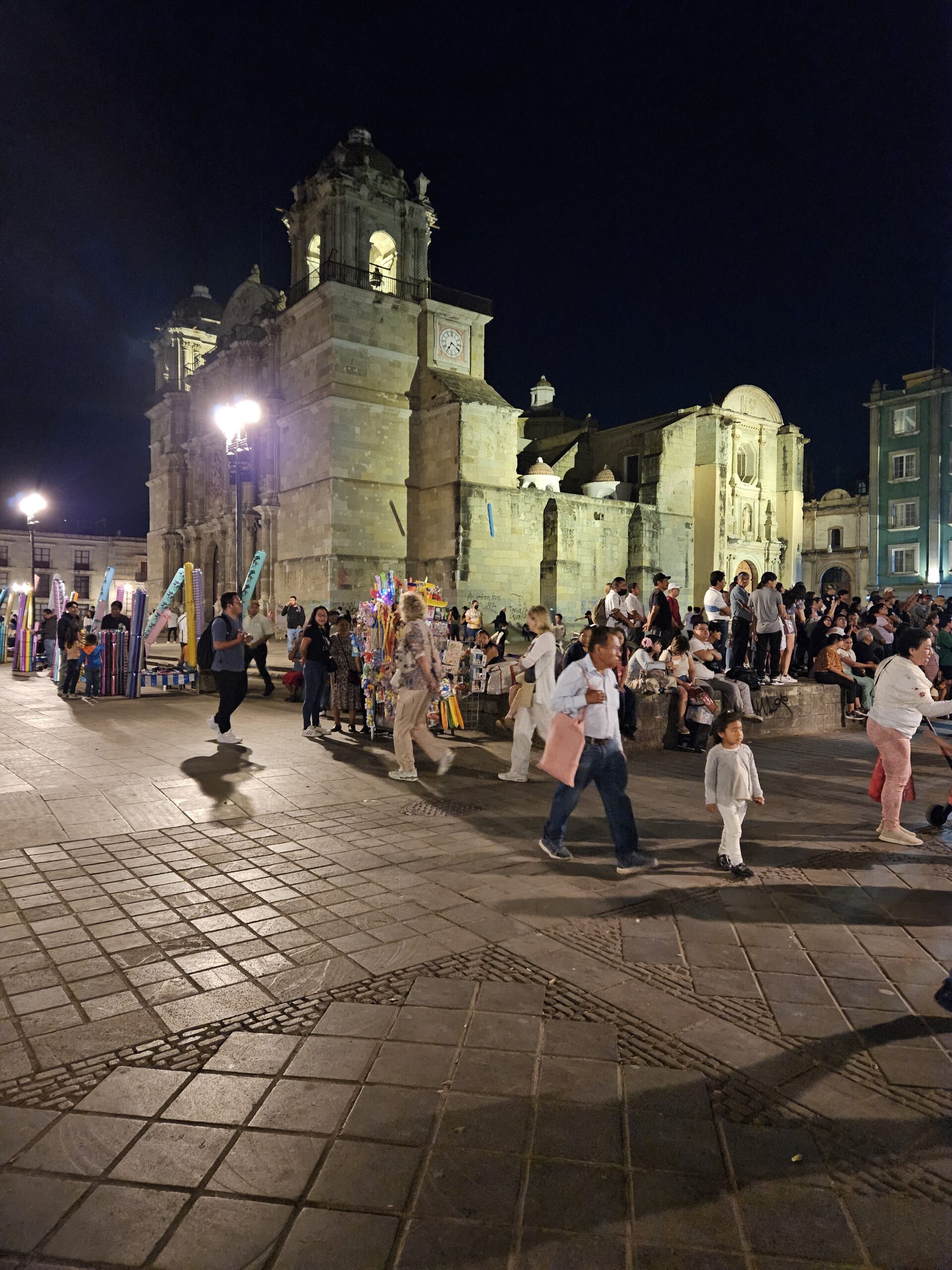
Cathedral of Our Lady of the Assumption (Oaxaca Cathedral)
- Located right on the Zócalo.
- Built in the 16th century, rebuilt multiple times due to earthquakes, it features a robust, fortress-like baroque style.
- *** In fact, there was a 5.4 earthquake the first night I was in Oaxaca, so you are forewarned in case the ground starts shaking.
Ex-Convento de San Pablo
- One of the city’s oldest colonial buildings, beautifully restored.
- Now a cultural center with exhibitions, events, and a stunning mix of old stonework and modern design.
Teatro Macedonio Alcalá
- An opulent, early 20th-century theater with neoclassical and art nouveau touches.
- Worth visiting for both the architecture and live performances.
Explore Ancient Civilizations
While Oaxaca doesn’t provide the extent of ruins that you might find in the Yucatan, you still find some places worth a visit.
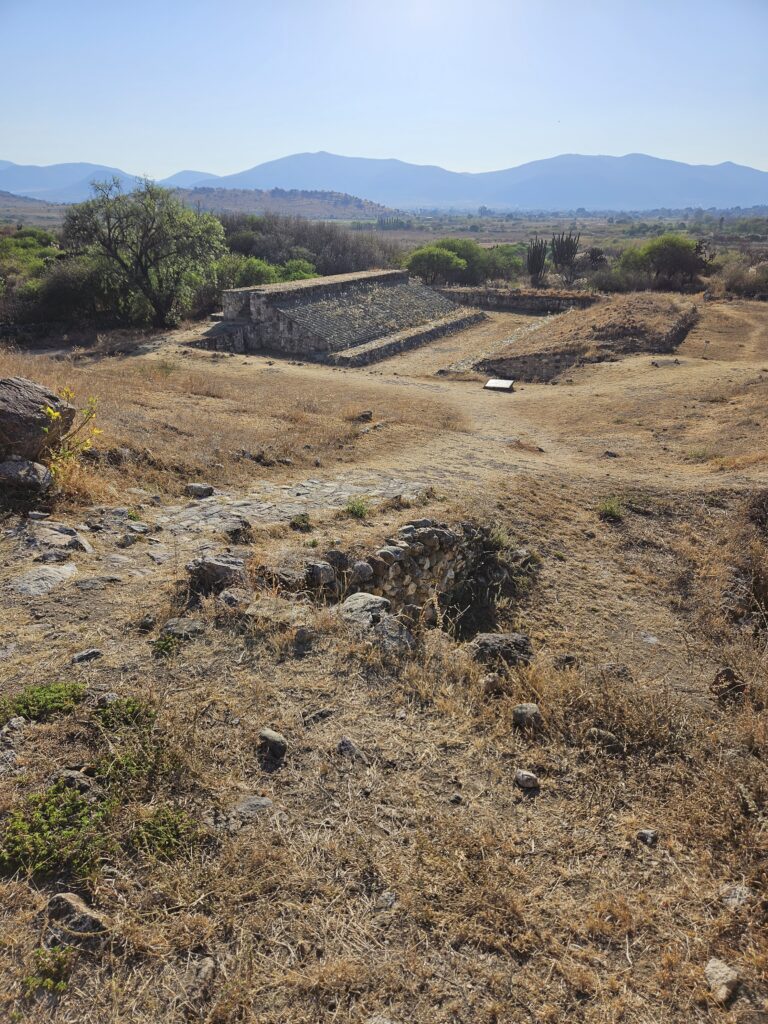
Monte Albán is just a short drive from the city. The ancient Zapotec capital is perched on a hilltop. Its grand plazas, pyramids, and ball courts overlook the valley, offering breathtaking views and a sense of walking through history. It is a UNESCO World Heritage Site and is known for its danzantes, stone carvings depicting human figures in what are believed to be ritual poses, providing insights into Zapotec cultural practices
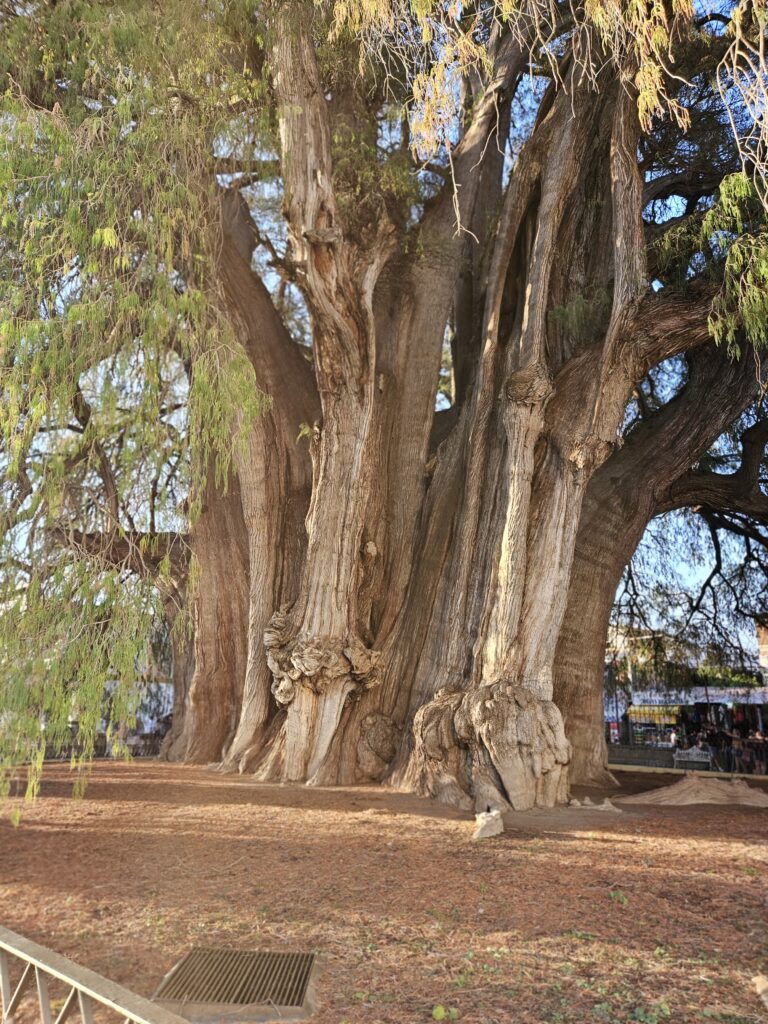
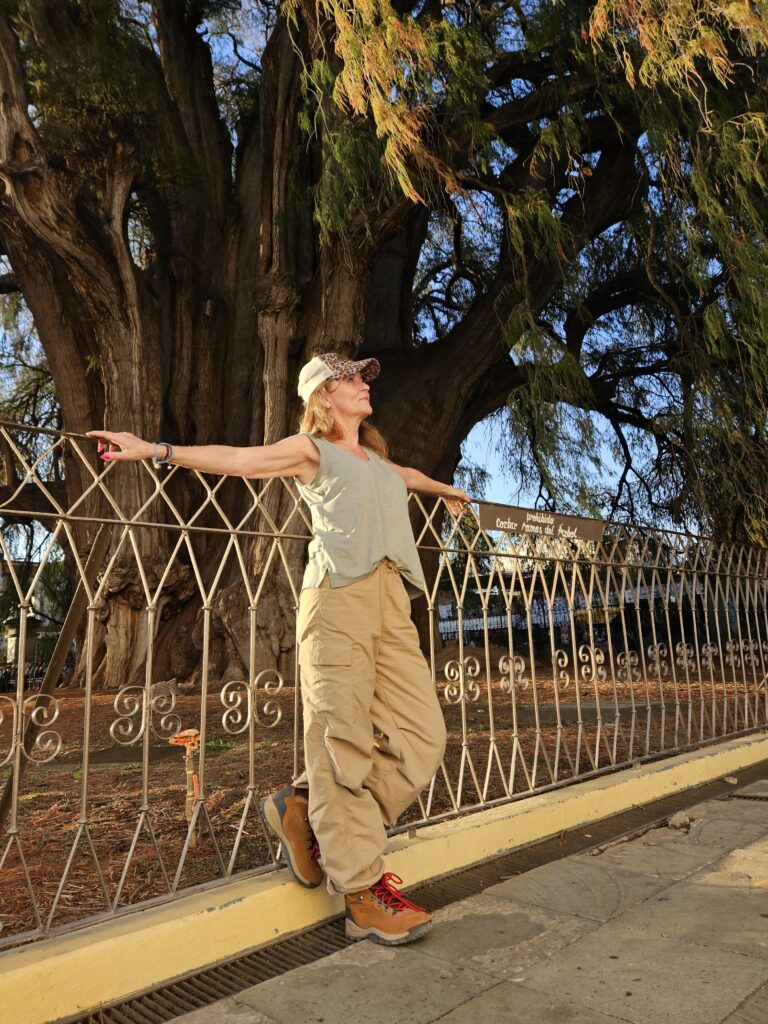
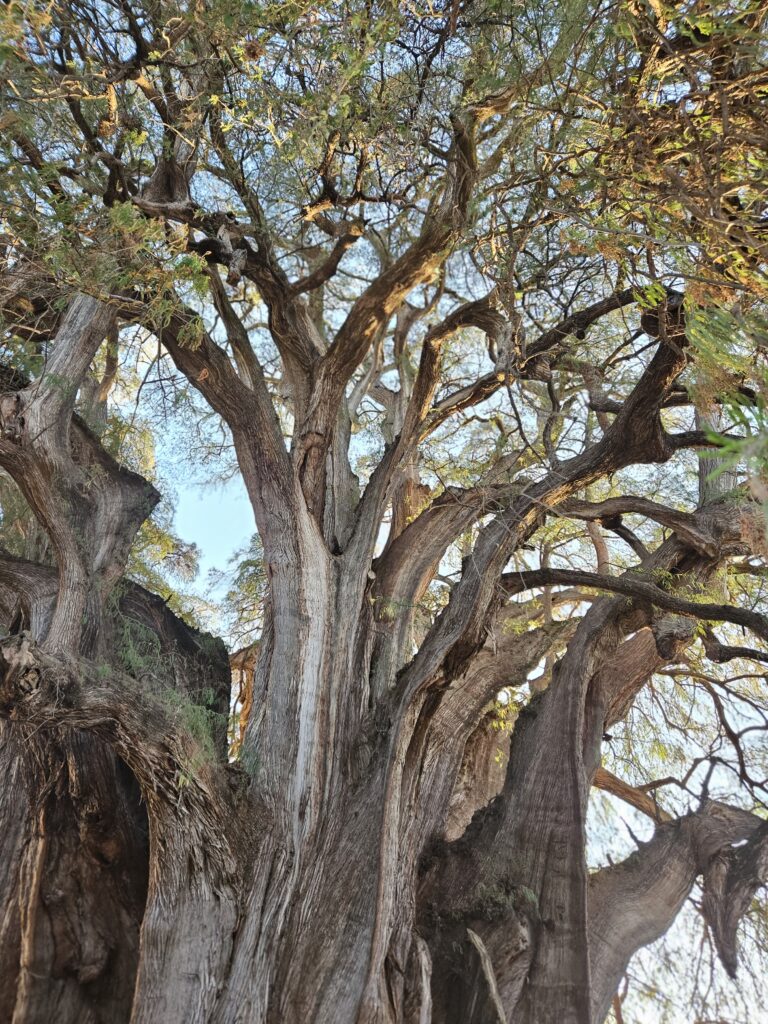
Another archaeological gem is Mitla, known for its intricate stone mosaics and sacred Zapotec past. Its name means “Place of the Dead,” and it is a spiritual place full of Zapotec and Mixtec designs. Located 27 miles from Oaxaca, you can also visit the El Tule tree on your way to Mitla.
The Tule tree is reported to be at least 2,000 years old and is known as the tree of life for the animal images you can see within the folds of the trunk. Reportedly, it is the tree with the widest girth of any in the world.
🎶 Experience Music & Dance
If you are a follower of my blog, you know that dance is one of my passions. I’ve vowed to dance in every country I visit and learn at least the basics. Because Latin grooves are among my favorites, it wasn’t difficult for me to seek out a place to discover some salsa vibes.
Even on ordinary evenings, Oaxaca’s Zócalo (main plaza) is alive with sound. Brass bands, marimbas, and spontaneous dancing make the square a magical spot to sit with a coffee or mezcal and people-watch.
One evening, I caught a full orchestra performance with impromptu dancing by couples who were worthy of being on Dancing with the Stars.
If you visit in July, don’t miss the Guelaguetza Festival, the state’s most famous celebration. Indigenous groups from across the region gather to perform folk dances in traditional costumes, accompanied by live bands. It’s a joyful explosion of rhythm and color.
For a more interactive night out, head to a mezcal bar that offers salsa or cumbia lessons. It’s the perfect way to sip smoky mezcal while learning a few new dance moves. Check out Oaxaca Events for up-to-date happenings in the Oaxaca Valley.
Salon Acala: NOT to be missed dance venue. For those who are just learning, the lesson before the music is excellent, and for those who already know a step or two, the lessons help refine some of your moves. No partner required.
Thursday – Sunday, Dance lessons (1 hour) Salsa on Thursday – Saturday 7:30 – 8:30, live music and dancing 8:30 – 11:00, Bachata on Sunday 5:30 – 6:30 with live music and dancing until 9:00. Cover is 100 pesos. Just be warned, the place doesn’t have AC, so dress to sweat. Luckily, the bar is fully stocked, and you’ll enjoy a nice cold beverage while you take a break.
Bar La Tentación: After leaving Salon Acala, bring your new dance moves to this place just around the corner. La Tentacion remains a beloved local favorite for salsa, merengue, and cumbia. Plus, you’ll enjoy DJ sets and dancing in a historic courtyard setting. It can get packed on the dance floor, aka more sweating, but a great place to continue dancing after lessons at Salon Acala, since it doesn’t open until 9:30 p.m. (open until 3:00 a.m.)
Txalaparta: One of the city’s most iconic dance clubs, Txalaparta spans multiple floors, offering something for every vibe. Visitors say it’s “the biggest club in the city. Multiple floors. Live band on the first floor. DJ on the top floor/terrace” with music ranging from cumbia to reggaetón, rock, and electronic. It’s a hotspot for both locals and tourists, especially on Friday and Saturday nights.
On Salsa Thursdays, guests can even start the evening with a free salsa class, then enjoy live bands from around 10 PM. Open daily at 1:00 p.m. until very late.
Casa del Elfo: A standout spot for jazz lovers,Casa del Elfo regularly features live jazz performances. Recurring events include “Alvaro Torres & Friends Live Jazz,” making it a go-to venue for soulful, intimate jazz evenings. Also, a restaurant, you can come early and enjoy a meal before relaxing to soak in the music.
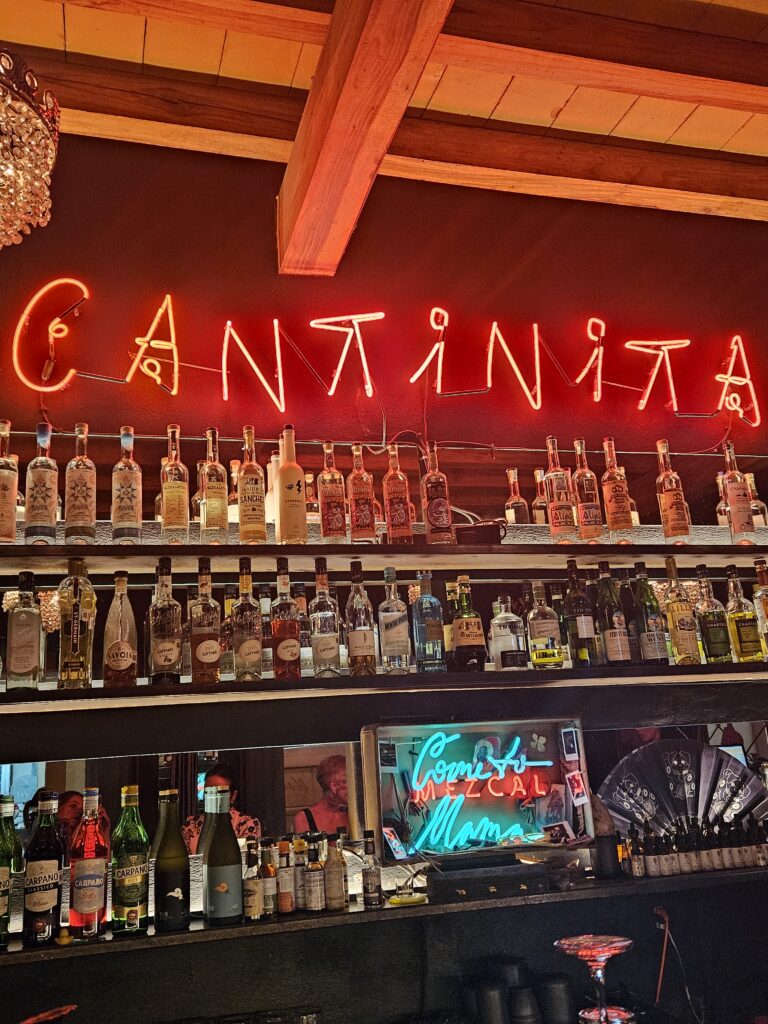
Cantinita: a cozy jazz place with live music every Friday night, open Wednesday – Saturday, 7:00 p.m. – 3:00 a.m. Free admission
Check event listings on Qué Pasa Oaxaca before heading out on the town.

Connect with Nature
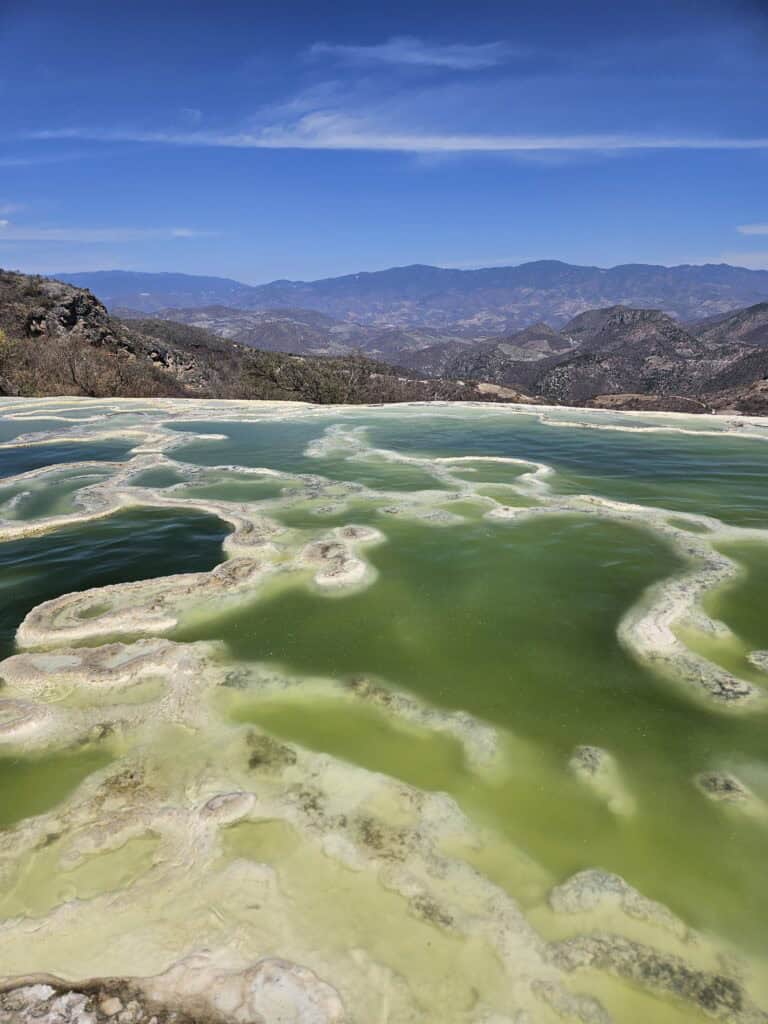
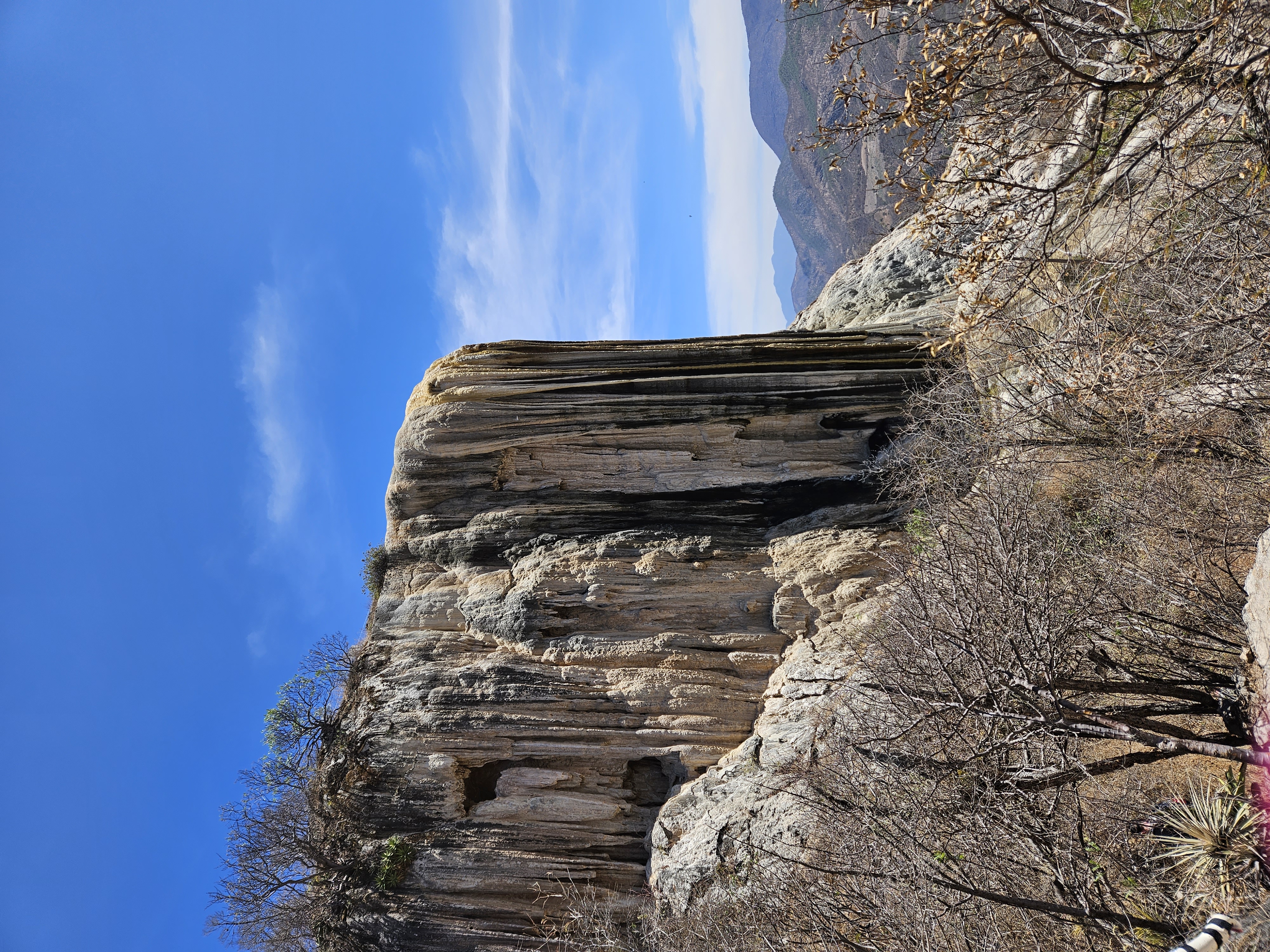
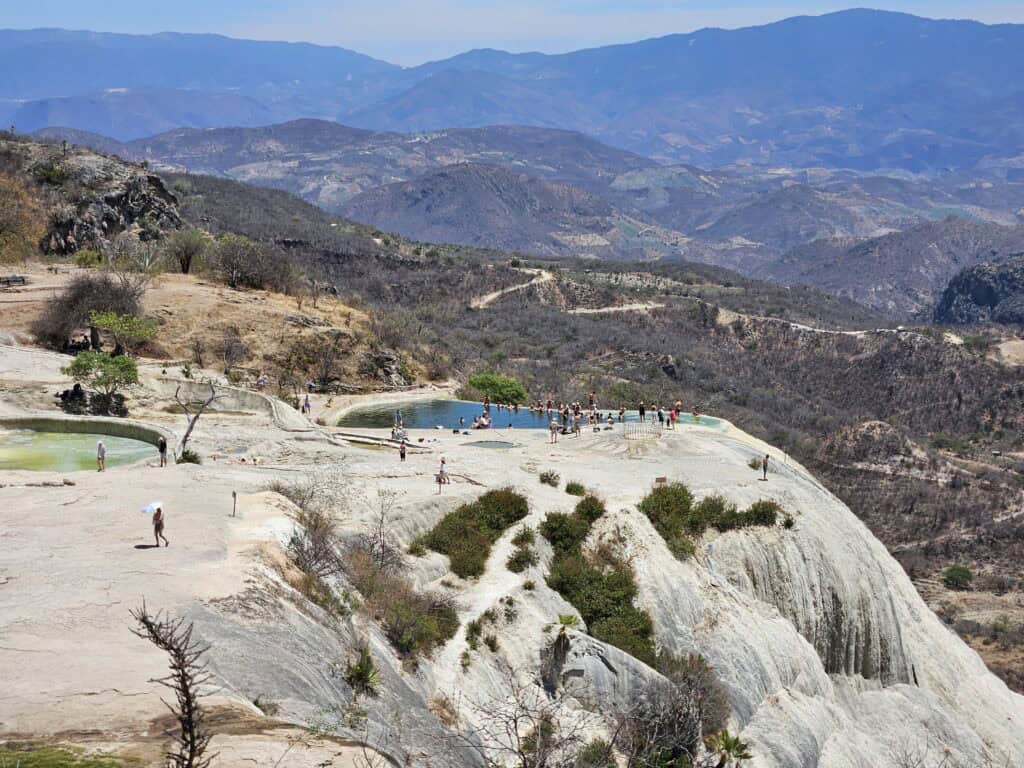
When you’re ready for a nature break, Oaxaca delivers. Hierve el Agua, is one of the most beautiful natural wonders I’ve ever visited. The name means boiled water, which is ironic since the water is extremely cold.
You’ll find a series of mineral-rich pools perched above the valley, the water is rich with calcium, and the result is a calcification that looks like a petrified waterfall. It’s perfect for hiking and soaking in views that stretch for miles. It is located 70 km from Oaxaca. Is it worth it? Absolutely!

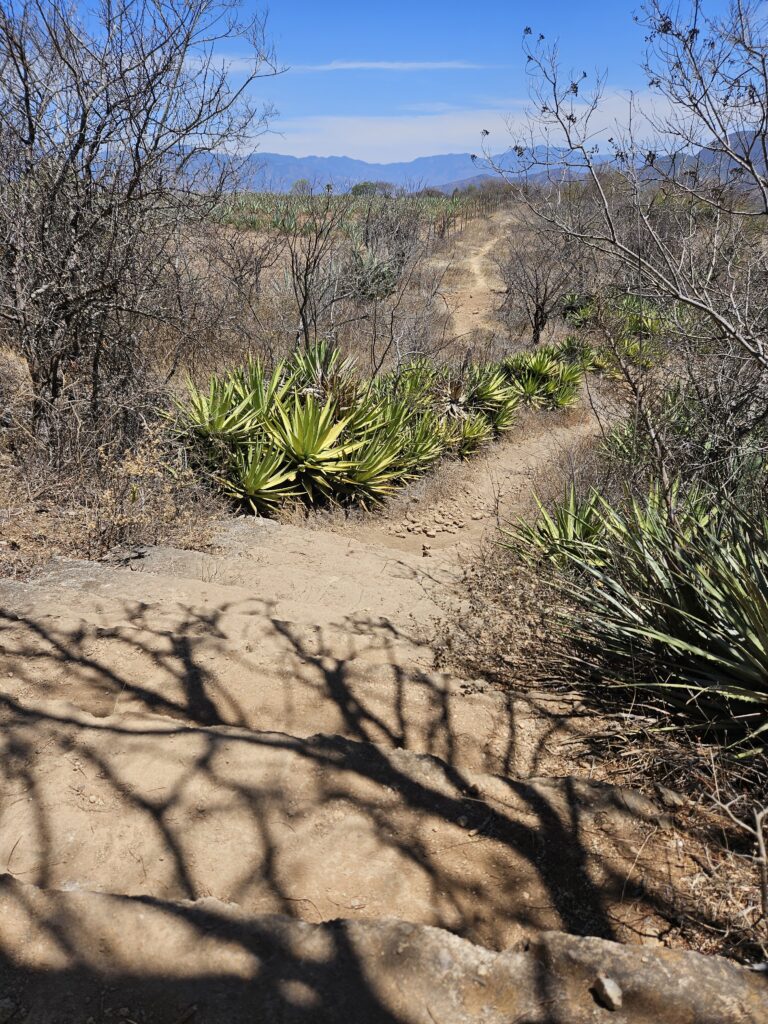
For something more off the beaten path, explore the Sierra Norte Mountains, where eco-tourism projects support local villages. You can hike through cloud forests, sleep in rustic cabins, and learn about traditional farming practices.
The Pueblos Mancomunados hiking is an eco-tourism cooperative created by the Zapotecans in the Sierra Norte Mountains of Oaxaca. Together, seven villages offer hospitality, food, lodging, and trail guides to day hikers, thru hikers, and day trippers. You can book with different tour companies, but they all must go through Expediciones Sierra Norte.
Book Your Tour of Hierve el Aqua
Get Your Guide
Adventurers will also love cycling through the Tlacolula Valley, where bike tours connect mezcal palenques, archaeological sites, and vibrant markets. Whether you want a more strenuous mountain biking experience or a more leisurely ride on an e-bike, you can get out in nature and get up close with the great outdoors.
From Oaxaca: Sierra Norte Hike & Indigenous Village Full-Day
MTB Bike Tour: Tule Tree through the Country-Side
Cycle from Oaxaca City to Santa María del Tule through the country side. Explore an ancient mine with breath-taking views, visit the famous Tule Tree, and enjoy free time to explore the town & market
Nearby Beaches: If you’re dreaming of the ocean while in Oaxaca City, know that the beaches aren’t just around the corner; you’ll need to journey south to the Pacific coast. Places like Puerto Escondido, Mazunte, San Agustinillo, and Zipolite are all considerations.
It’s a six-to-seven-hour drive through winding mountain roads or an easy 45-minute flight. Technically, you could fly down in the morning and back at night for a whirlwind beach day of fresh seafood and hammocks by the sea, but you could easily turn it into a weekend escape. After all, once you sink your toes into the sand and catch that first salty breeze, you’ll want more than just a few hours to soak it all in.
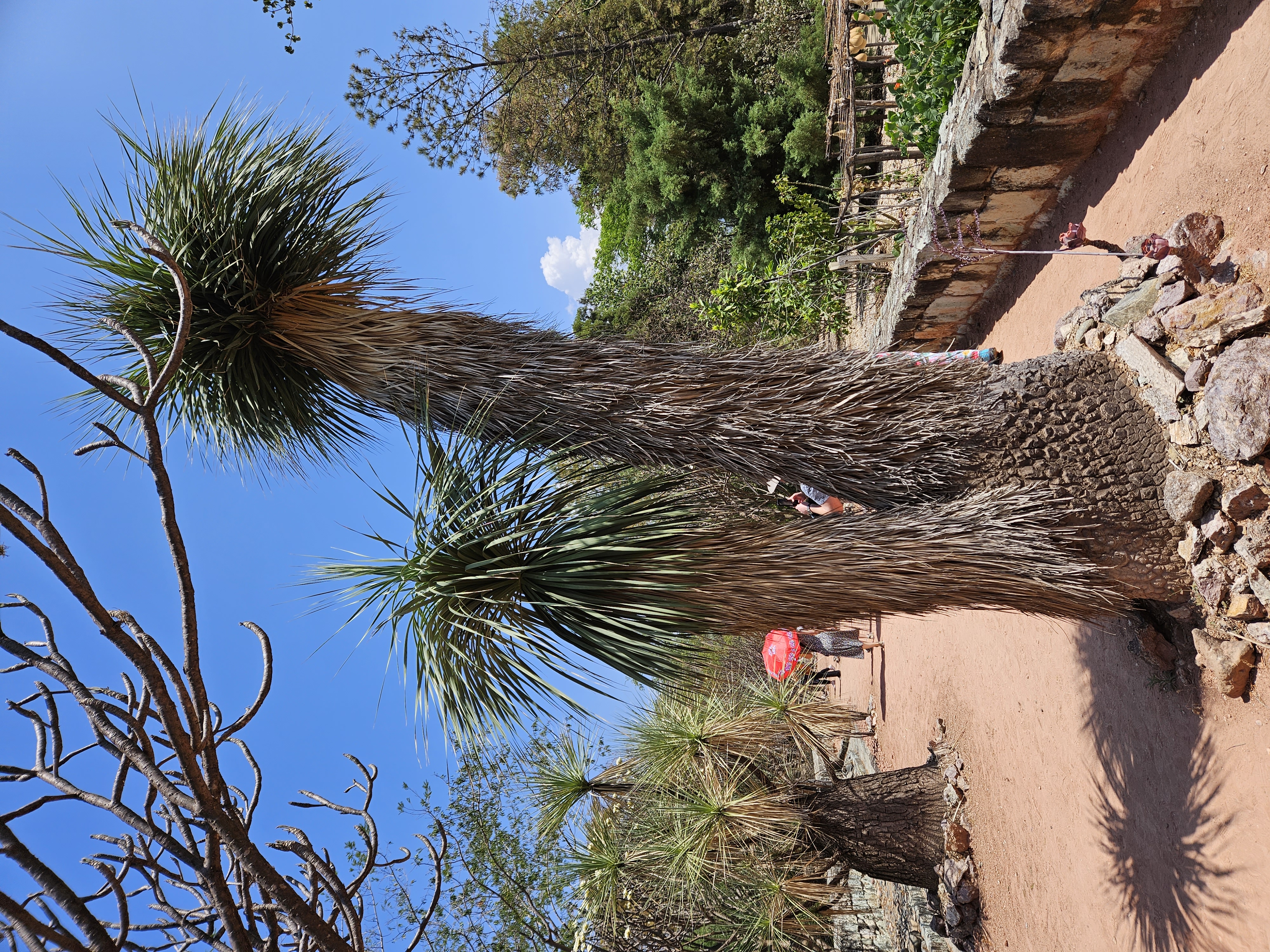
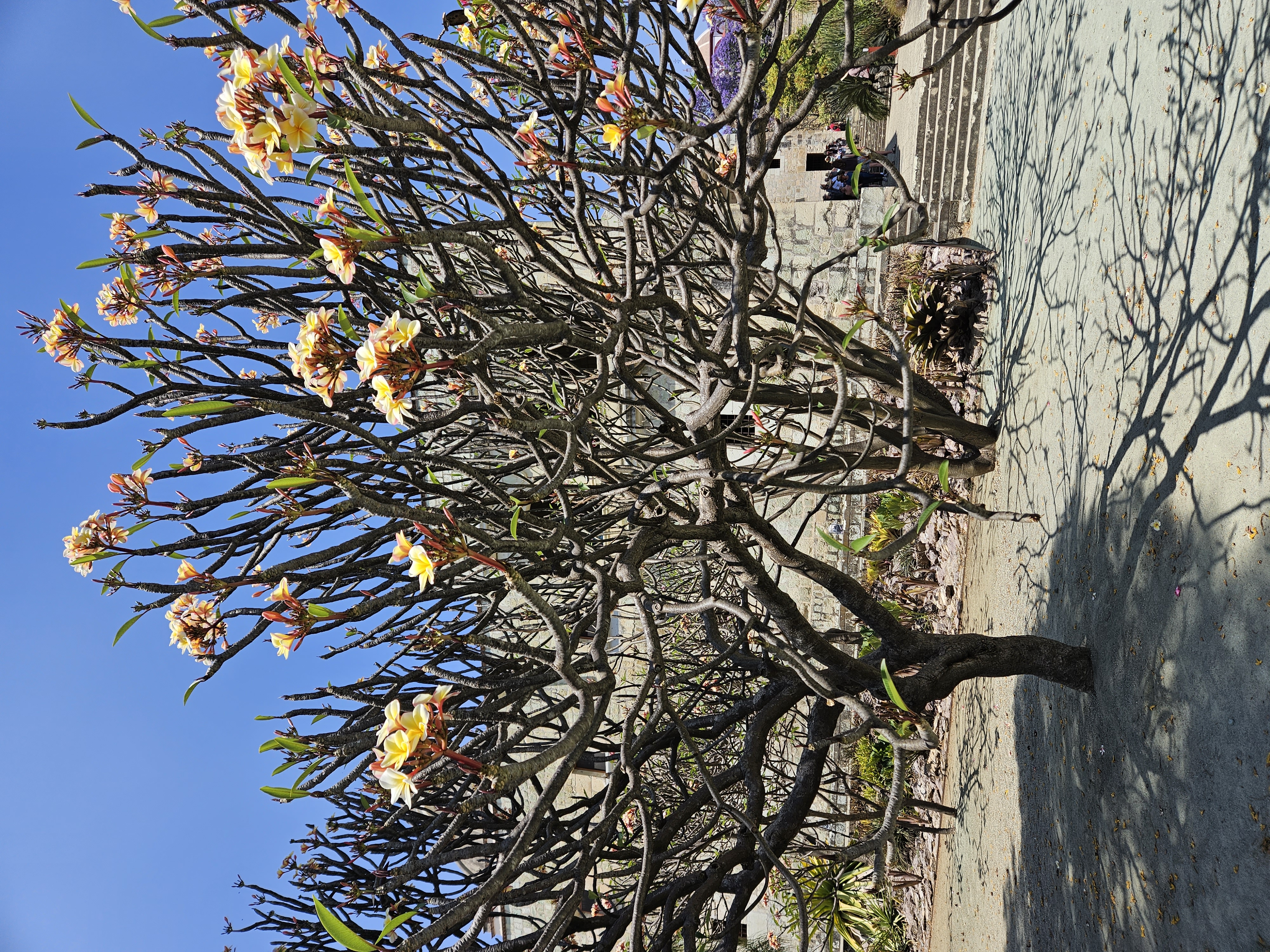
Back in the city, consider visiting the Ethnobotanical Garden, where native plants tell the story of Oaxaca’s deep connection to land, medicine, and ritual. You’ll find the entrance next to the Church of Santo Domingo. Open Monday-Friday 10:00 a.m. – 5:00 p.m. Note: you can’t wander the grounds without being part of a guided tour. Tours are only offered in Spanish $100 pesos ($5.00).

Experience Oaxacan Cuisine
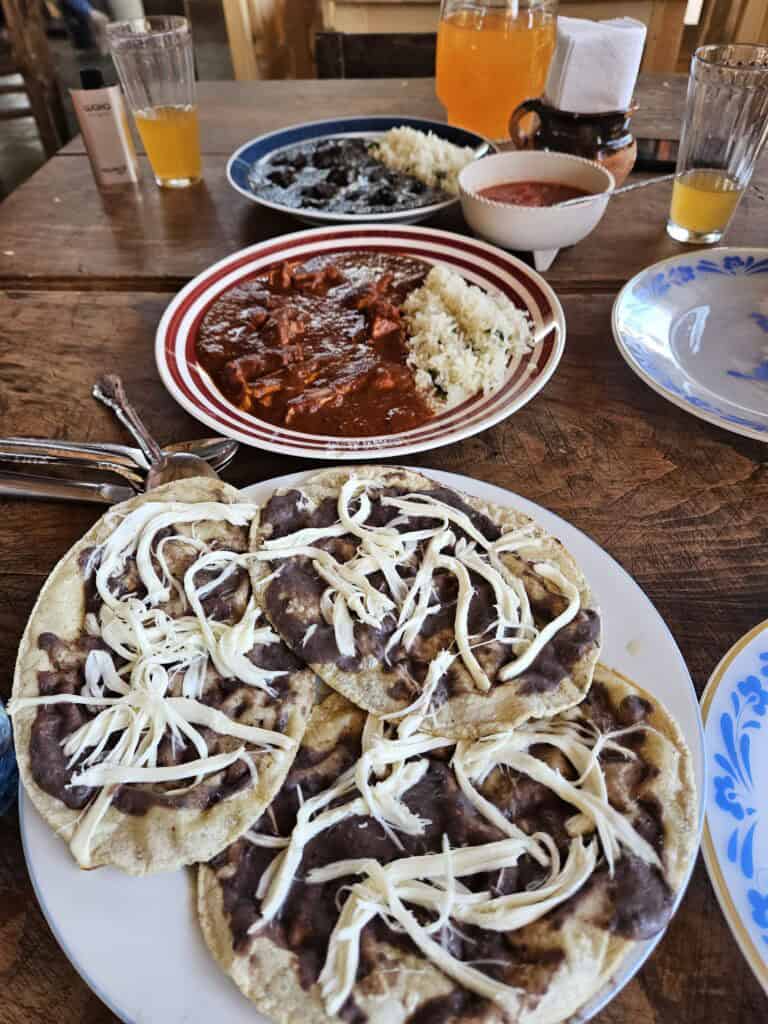
When it comes to food, Oaxaca is often called the gastronomic capital of Mexico, and once you taste it, you’ll understand why. Known as the “land of the seven moles,” the region is famous for its rich and complex sauces from the earthy and spicy mole negro to the nutty, slightly sweet mole amarillo. Each one is a masterpiece, made with a blend of chiles, chocolate, seeds, herbs, and spices passed down through generations.
But Oaxacan cuisine isn’t just about mole. Street food plays a huge role in everyday life here. Wander through local markets, and you’ll find tlayudas (giant tortillas grilled and topped with beans, cheese, lettuce, avocado, and meats), memelas (thick tortillas with beans, cheese, and salsa), and tamales wrapped in banana leaves for a tender, smoky flavor. Adventurous eaters can snack on chapulines, toasted grasshoppers seasoned with lime and chili. I was skeptical, but I actually like them as a salty snack, sort of like a chip. My advice is to get the small ones.
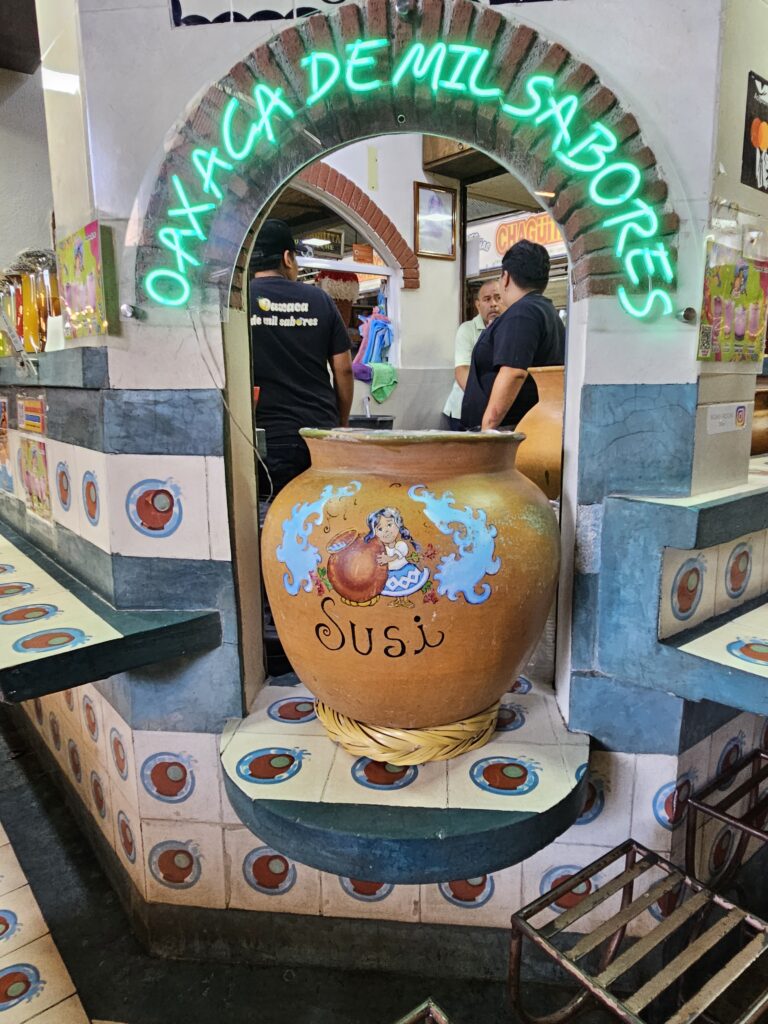
Don’t miss a visit to the Oaxaca markets, especially Mercado 20 de Noviembre and Benito Juárez, where aromas of roasting meat, fresh tortillas, and spices fill the air. This is where you’ll see (and taste) the full spectrum of traditional dishes in Oaxaca, from regional cheeses to handmade sweets.
Whether you’re indulging in a fine-dining restaurant (there are several Michelin-starred restaurants in Oaxaca), taking an Oaxacan cooking class, or grabbing a late-night taco from a street stall, every bite here is a reminder that food in Oaxaca is embedded in the fiber of the city.
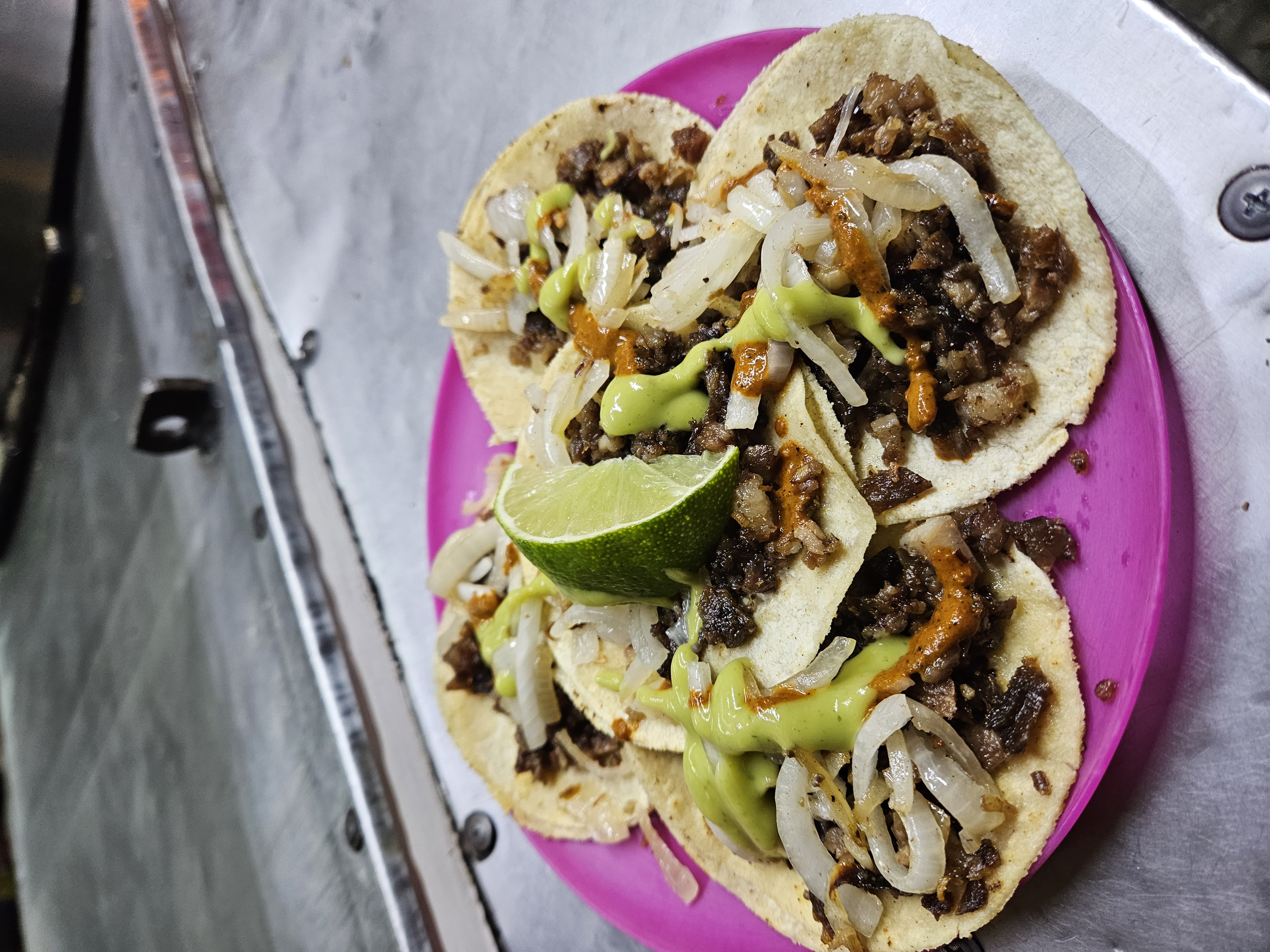
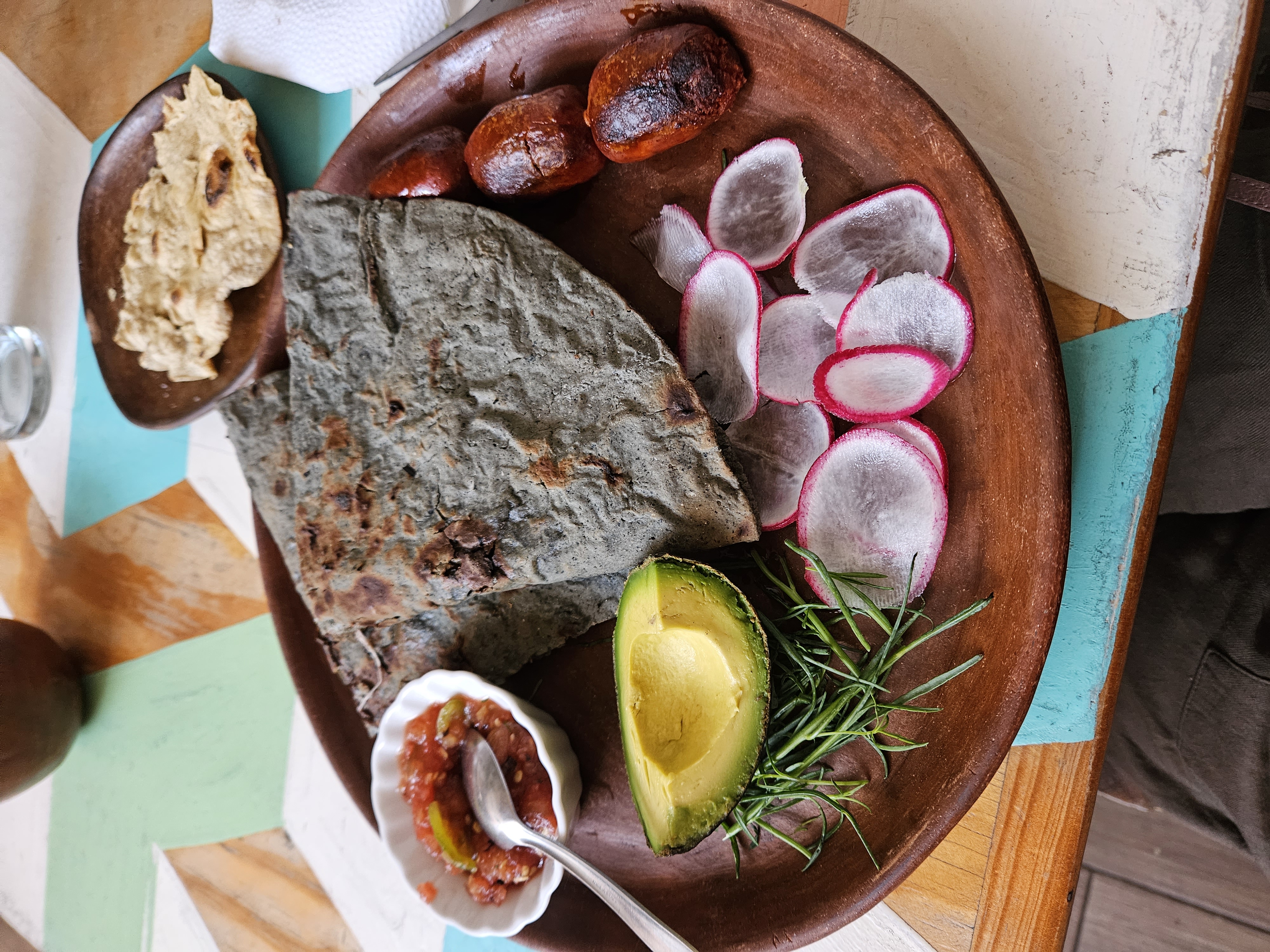
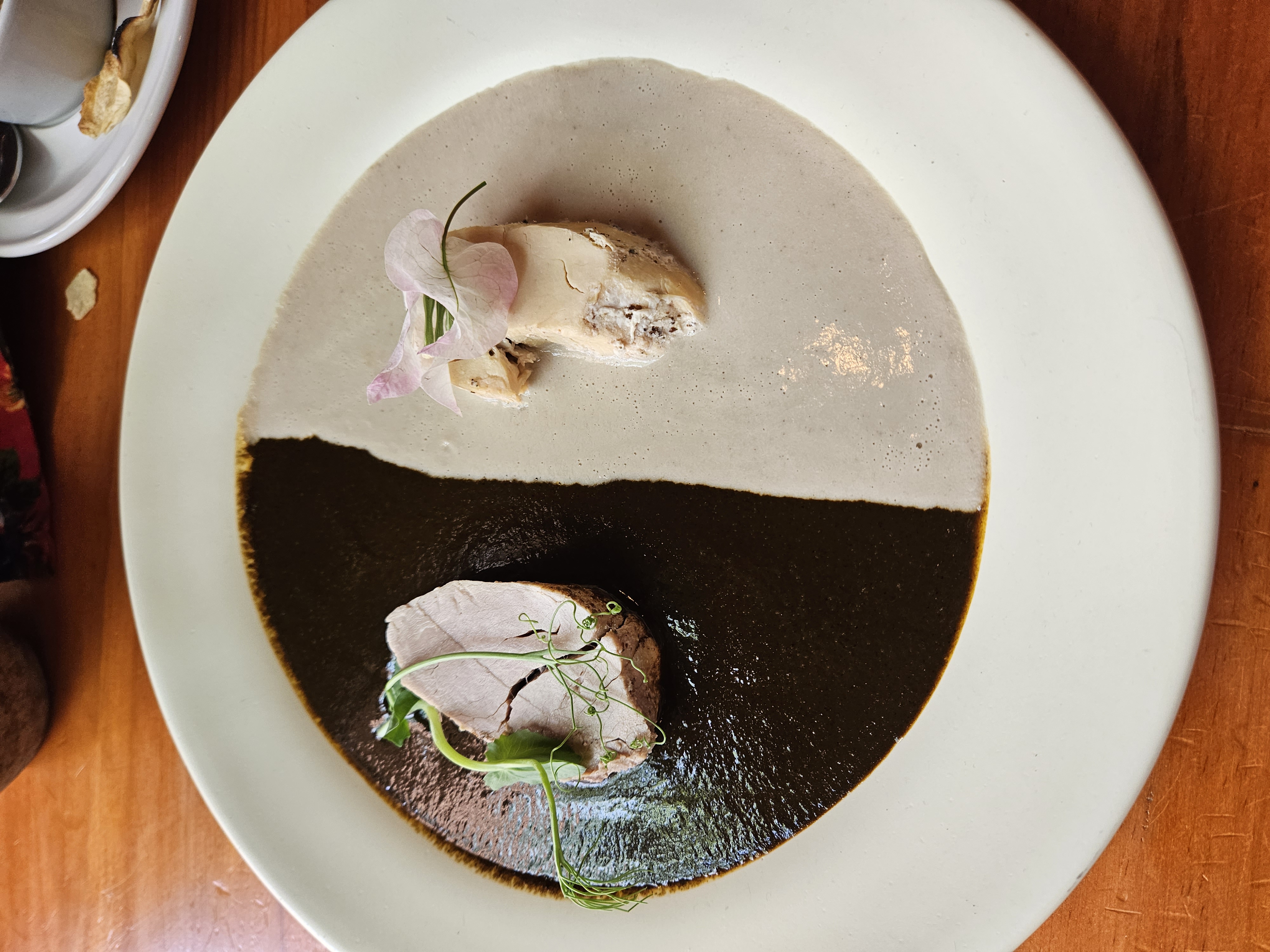

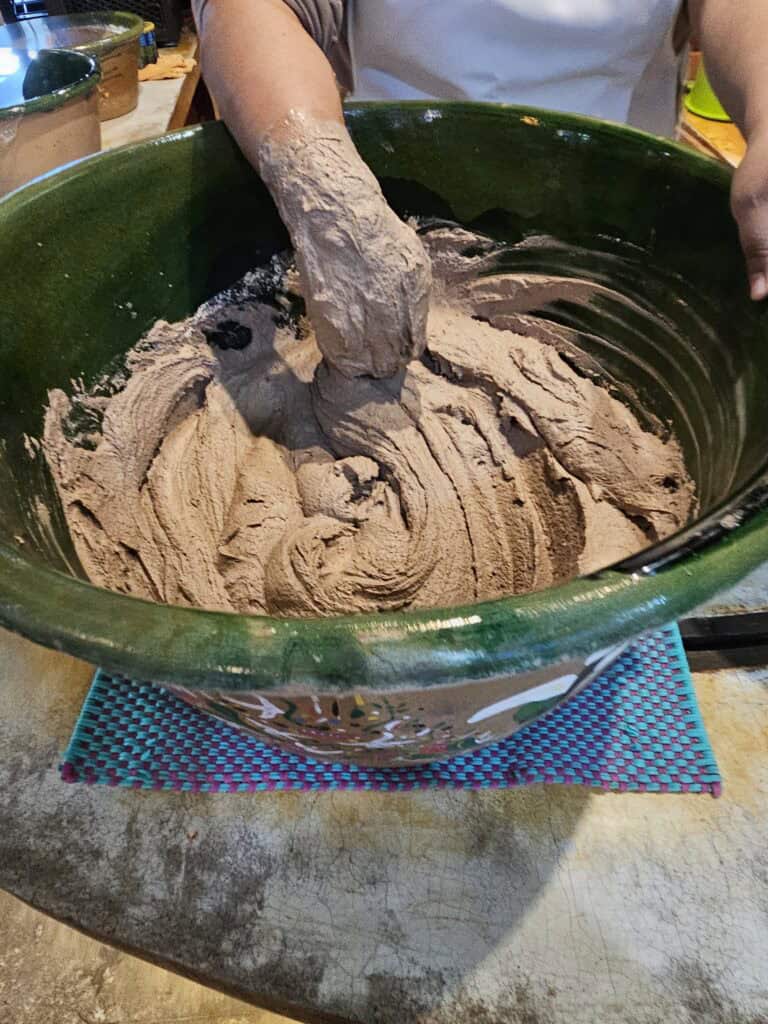
If you aren’t sure what to order or where to eat, join a tour. If you are interested in learning “how to” cooking enthusiasts will love Oaxaca’s many cooking classes, where you can learn to make mole from scratch, hand-grind tortillas, and taste-test everything along the way.
Since there are so many restaurants and worthy culinary experiences, I wrote a separate blog post compiling the best of where to eat and drink in Oaxaca.
Hands-On Flavors: Oaxaca Food Tours & Authentic Cooking Experiences
Oaxaca is a feast for the senses, and there’s no better way to experience it than through its food.
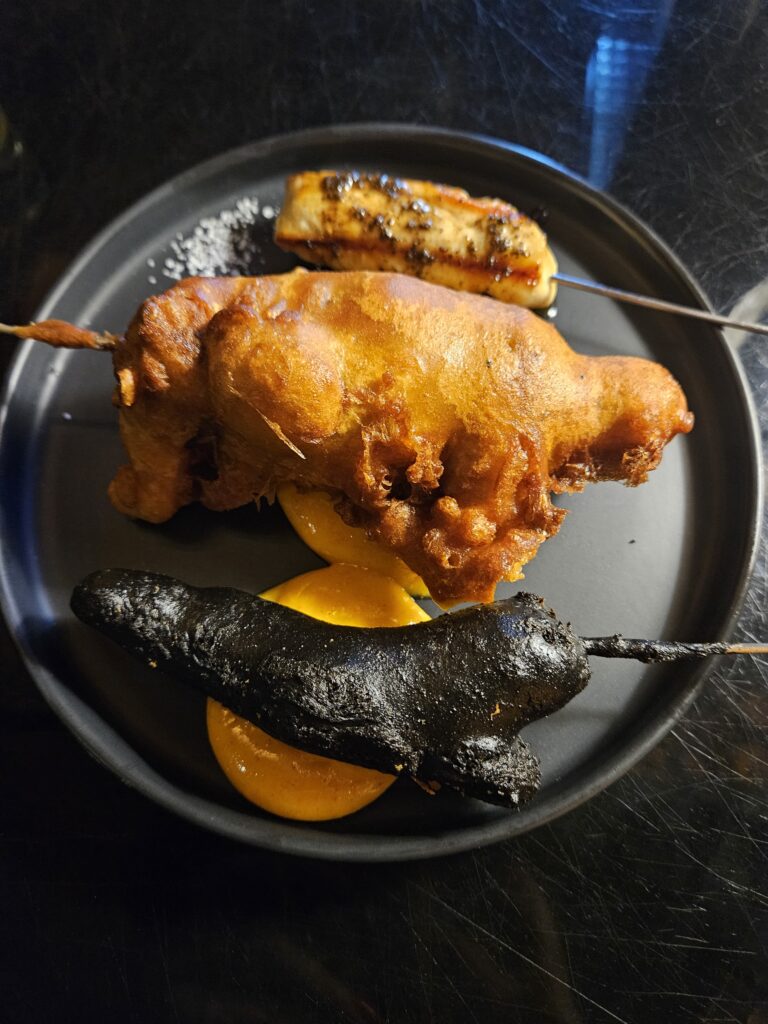
Explore The Mysteries of Mezcal
“Para todo mal, mezcal, y para todo bien, tambien,” which translates to “For all that’s wrong, mezcal, and for all that’s right, ditto,”
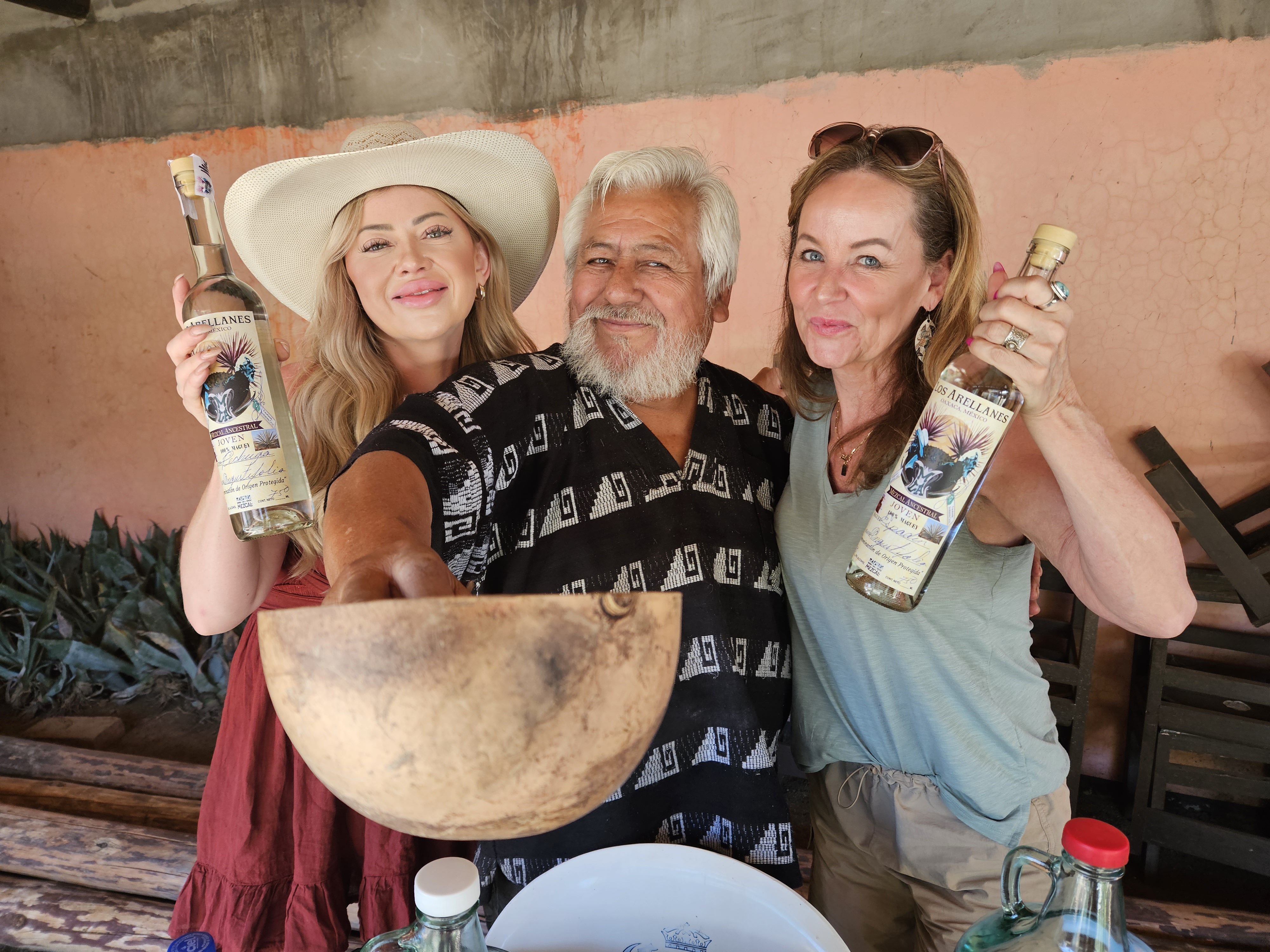
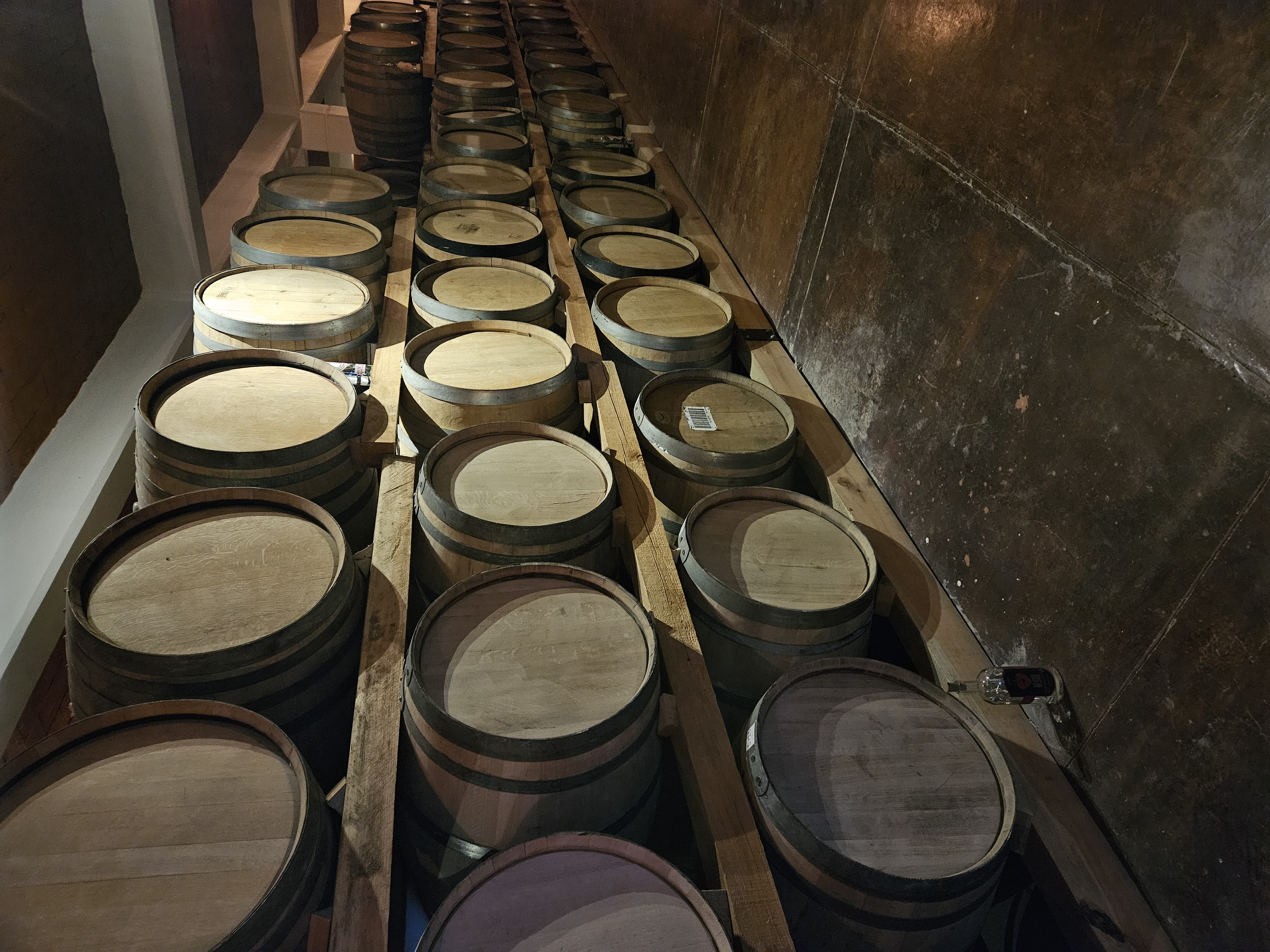
If there’s one experience that should be on every traveler’s Oaxaca list, it’s a mezcal tour. Mezcal isn’t just a drink here; it’s culture, tradition, and family history bottled up in smoky perfection. Spending a day visiting a palenque (mezcal distillery) in the Oaxacan countryside is equal parts education and celebration, and it’s something you’ll never forget.
🌵 What Is Mezcal, Anyway?
At its simplest, mezcal is a distilled spirit made from the agave plant, but that definition hardly does it justice. While tequila is produced only from blue agave (and mostly in Jalisco), mezcal can be made from more than 40 varieties of agave, each with its own flavor profile. Think smoky, earthy, floral, or even chocolatey. Mezcal is made in small batches, often by families who’ve been crafting it for generations, using methods that haven’t changed for centuries.
Weirdly, I am not a tequila fan, but I am a huge mezcal fan. To me, it’s like white zinfandel compared to a cabernet sauvignon. Mezcal is smoky, complex, and full of flavors. The Mezcal tour was probably my favorite experience during my time in Oaxaca.
🌵 Santiago Matatlán – The World Capital of Mezcal
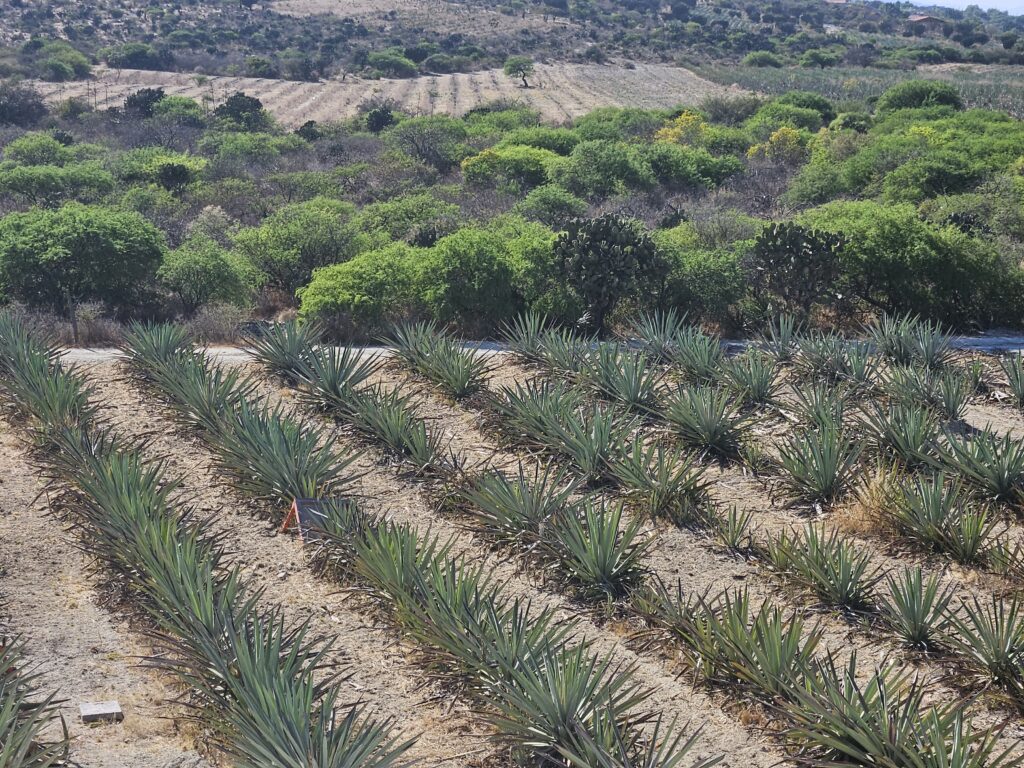
About an hour east of Oaxaca City, Santiago Matatlán is ground zero for mezcal production. Driving into town, you’ll see agave fields stretching to the horizon, smoke rising from underground roasting pits, and rustic palenques tucked along the road. Many tours stop here, and it’s a great place to sample a range of small-batch mezcals.
✨ Insider Tips for a Mezcal Tour
- Book with a guide or driver: Many palenques are family-run and don’t have websites; you’ll need a local guide to help arrange visits.
- Pace yourself: Tastings are copita after copita, and mezcal is strong (usually around 45% ABV). Sip slowly, eat the snacks provided, and drink water in between.
- Support the families: Buying a bottle directly at the palenque not only gives you the best price, but it also directly supports the mezcaleros who make it.
- Combine with a day trip: Many mezcal tours include stops at nearby villages like Teotitlán del Valle (weaving) or Tlacolula (Sunday market), making for a full cultural immersion.
If you want to taste-test Mezcal before committing to a tour, there are many Mezcalarias located on almost every block in Oaxaca. And if you aren’t a fan, I found a few places where you can find wine (my favorite drink with dinner), a beer, or a non-Mezcal-based cocktail. Read about where to eat and drink in Oaxaca.

🛍️ Shop Oaxaca’s Markets & Handicrafts
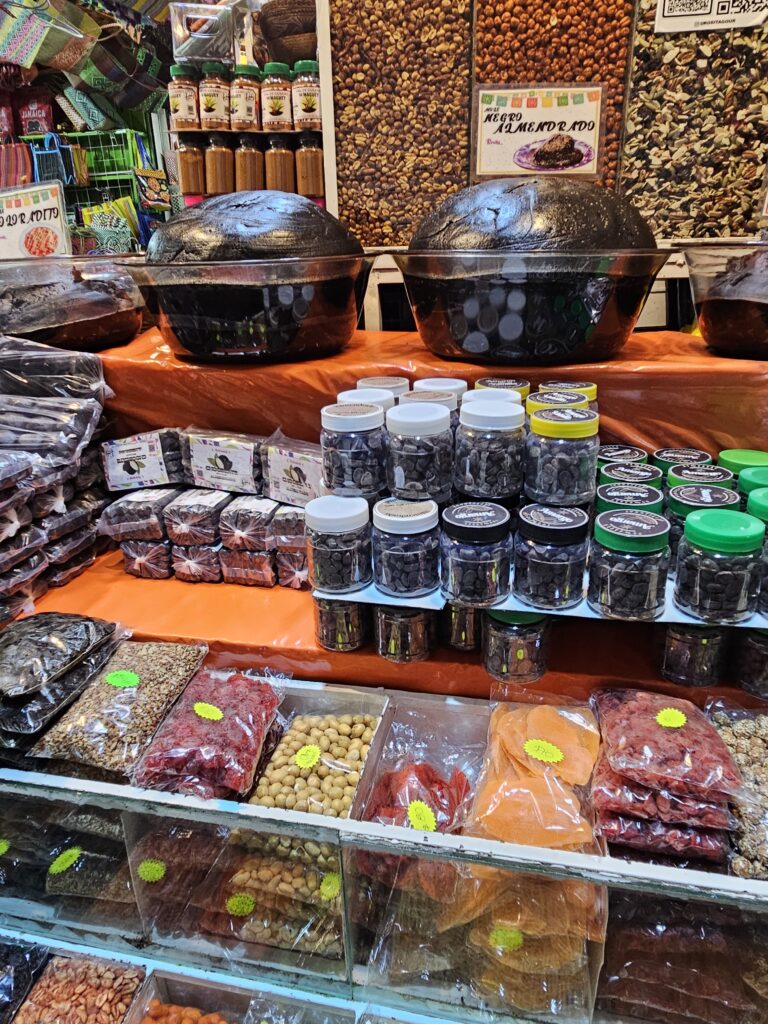
Shopping in Oaxaca isn’t just about souvenirs; it’s about supporting centuries-old traditions. Be sure to bring an extra bag to stock up on spices, chocolate, mezcal, and reminders of your trip to beautiful Oaxaca.
🥑 Mercado Benito Juárez
- When: Daily, roughly 9:00 am – 7:00 pm
- Where: Just one block south of Oaxaca’s Zócalo
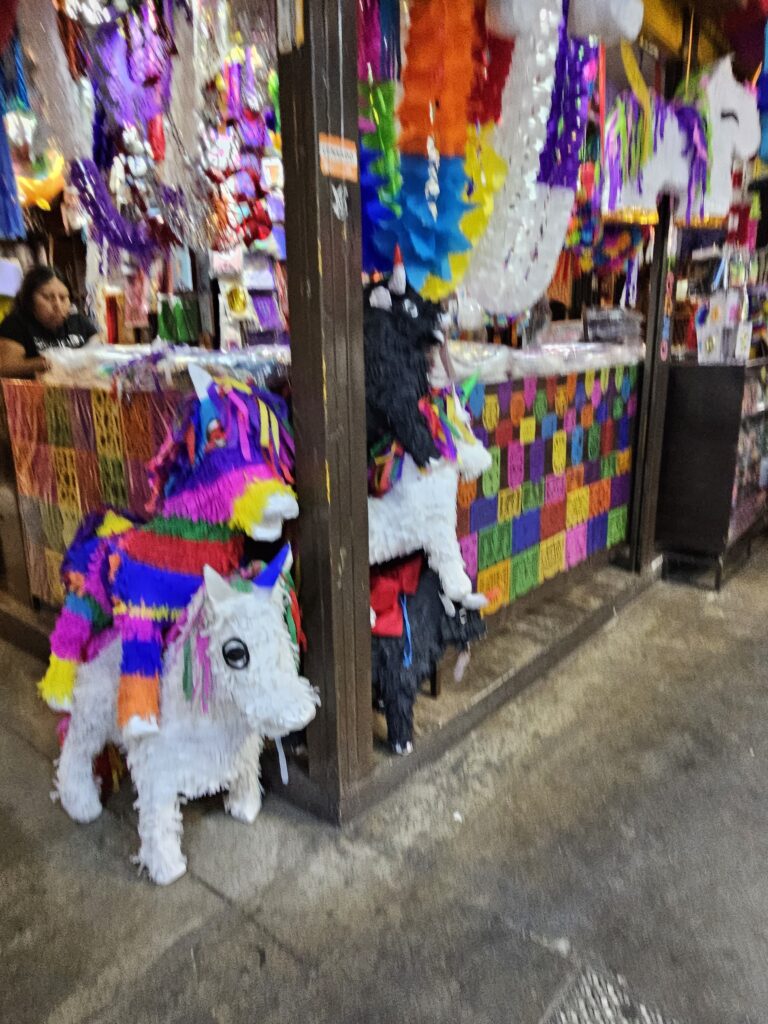
- Known for: The city’s most central and traditional market. You’ll find a little bit of everything: spices, chilies, chocolate, textiles, mezcal, piñatas, leather goods, and souvenirs. Food stalls inside serve Oaxacan staples like tlayudas, tamales, and fresh juices. Great for an all-in-one stop if you want the feel of a local market without leaving downtown.
🌽 Mercado 20 de Noviembre
- When: Daily, 9:00 am – 7:00 pm
- Where: Adjacent to Mercado Benito Juárez
- Known for: The ultimate food market in Oaxaca. It’s most famous for El Pasillo de las Carnes Asadas (the “hall of grilled meats”), where you can pick your cuts of meat, have them grilled on the spot, and enjoy them with tortillas, salsas, and nopales at communal tables. Also, a good place to try mole, hot chocolate, and traditional breads like pan de yema.
🧺 Mercado de Artesanías
- When: Daily, 10:00 am – 6:00 pm
- Where: Two blocks from Benito Juárez market
- Known for: Handicrafts and textiles from across the state of Oaxaca. Embroidered blouses, rugs from Teotitlán del Valle, black pottery from San Bartolo Coyotepec, alebrijes (painted wooden animals), and woven baskets. Ideal for shopping if you’re looking for souvenirs that are a step above tourist trinkets.
🥒 Mercado Sánchez Pascuas
- When: Daily, mornings until about 3:00 pm
- Where: Northern end of downtown, near the Jalatlaco and Xochimilco neighborhoods
- Known for: A neighborhood produce market where locals shop daily. Seasonal fruits and vegetables, flowers, cheeses, breads, and food stalls serving home-style Oaxacan meals. Smaller and less hectic than Benito Juárez, perfect if you want an authentic, everyday vibe.
🌶️ Mercado La Merced
- When: Daily, mornings until late afternoon
- Where: East of the Centro near the Jalatlaco neighborhood
- Known for: A community market popular for its comida corrida stalls (affordable set-menu lunches), tamales, and Oaxacan hot chocolate. Good place to stop if you’re staying nearby and want a more local feel.
🍌 Tlacolula Sunday Market (Mercado Domingo de Tlacolula)
- When: Sundays, sunrise to late afternoon (around 5:00 pm)
- Where: Tlacolula de Matamoros, about 30 minutes east of Oaxaca City
- Known for: One of the oldest and largest markets in Oaxaca, dating back centuries. Villagers from the entire valley converge here in traditional dress to sell produce, barbacoa, live animals, textiles, baskets, mezcal, and crafts. Don’t miss the barbacoa stands inside the main market building. This is a full-day excursion and a must-do if your trip includes a Sunday.
✨ Travel tip: Most markets open early (locals shop around sunrise), so arriving in the morning means fresher food and better energy. By mid-afternoon, many stalls begin closing.
- Handicrafts like embroidered blouses and bags
- Textiles like rugs
- Black and green pottery
- Ceramics and kitchenware
- Woven items like tortilla baskets
- Alebrijes, which are carved and painted figurines
- Mole mix or other spices
Celebrate Oaxacan Traditions & Festivals
Oaxaca’s calendar is packed with festivals that bring traditions to life.
- Día de los Muertos (Day of the Dead) in late October and early November is the most famous. Families build altars, light cemeteries with candles, and parade through the streets in costumes. It’s both deeply spiritual and wildly celebratory.
- In December, the quirky Noche de Rábanos (Night of the Radishes) turns radishes into elaborate sculptures, a one-of-a-kind event you won’t find anywhere else.
- During Semana Santa (Holy Week), solemn processions fill the streets with incense, music, and devotion.
After soaking in the color, rhythm, and energy of Oaxaca’s festivals, you may find yourself craving something a little quieter and more introspective. That’s where the ancient temazcal ceremony comes in, a ritual from Aztec, Zapotec, and Mayan cultures.
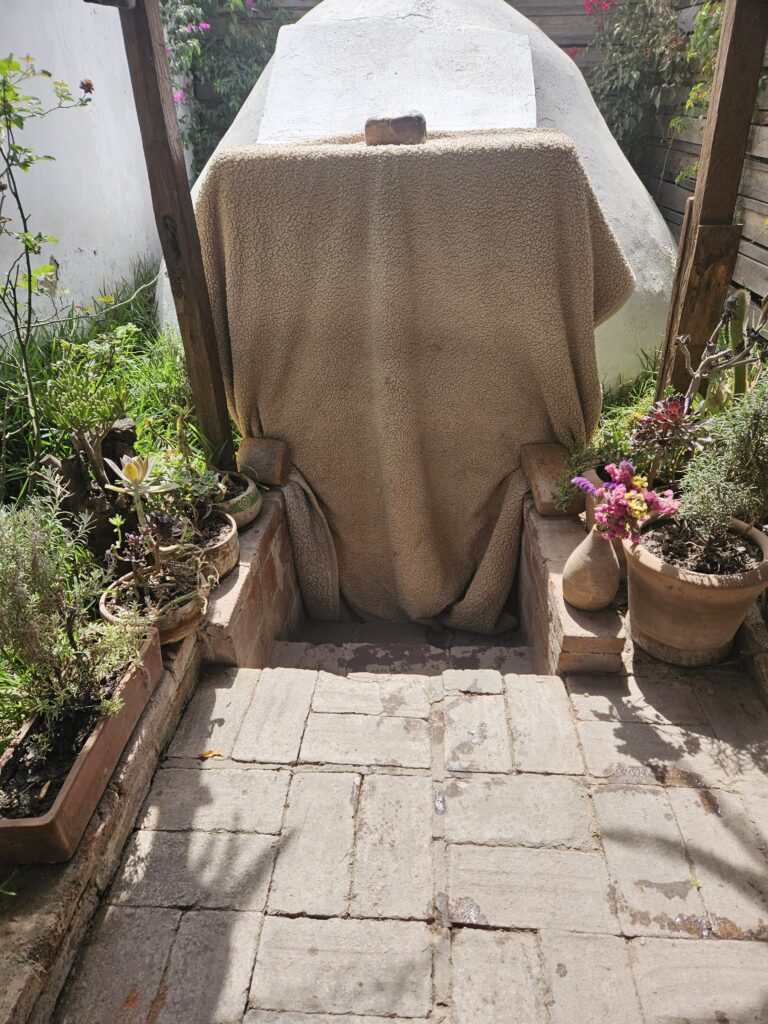
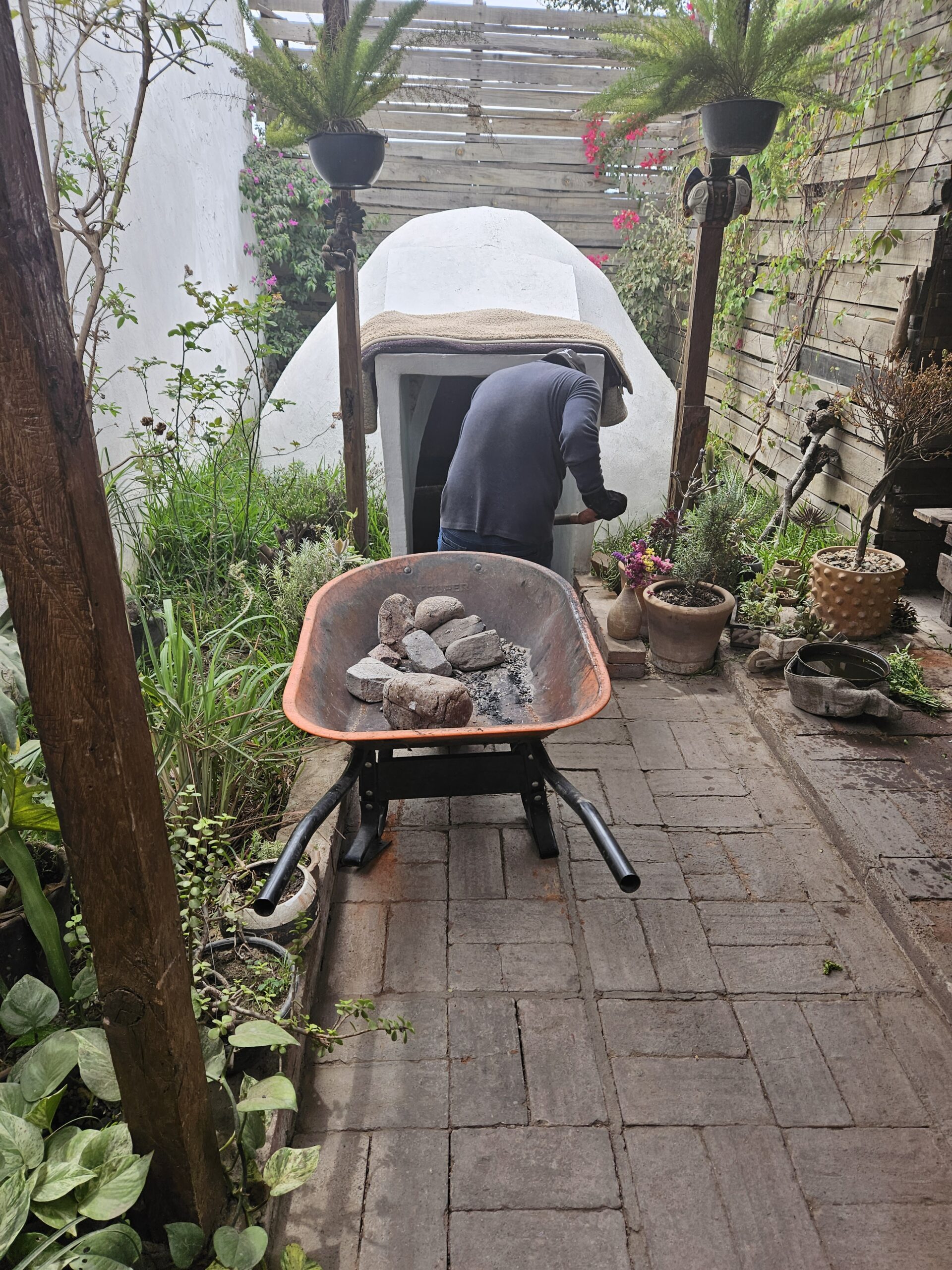
Temazcal Ceremony is a traditional sweat lodge experience designed for cleansing the body, mind, and spirit. Picture stepping into a low, dome-shaped stone or clay structure, where heated volcanic rocks are placed in a central pit. As water infused with herbs is poured over the stones, steam fills the space, creating an intense but purifying heat.
Guided by a shaman or healer, the ceremony often includes chanting, drumming, or guided reflection, making it as much a spiritual journey as a physical detox. Expect to sweat a lot, but also to feel a deep release of stress and tension. You’ll be provided a bundle of fresh herbs that acts as a sort of aromatherapy as well as works as a fan to move the hot air around.
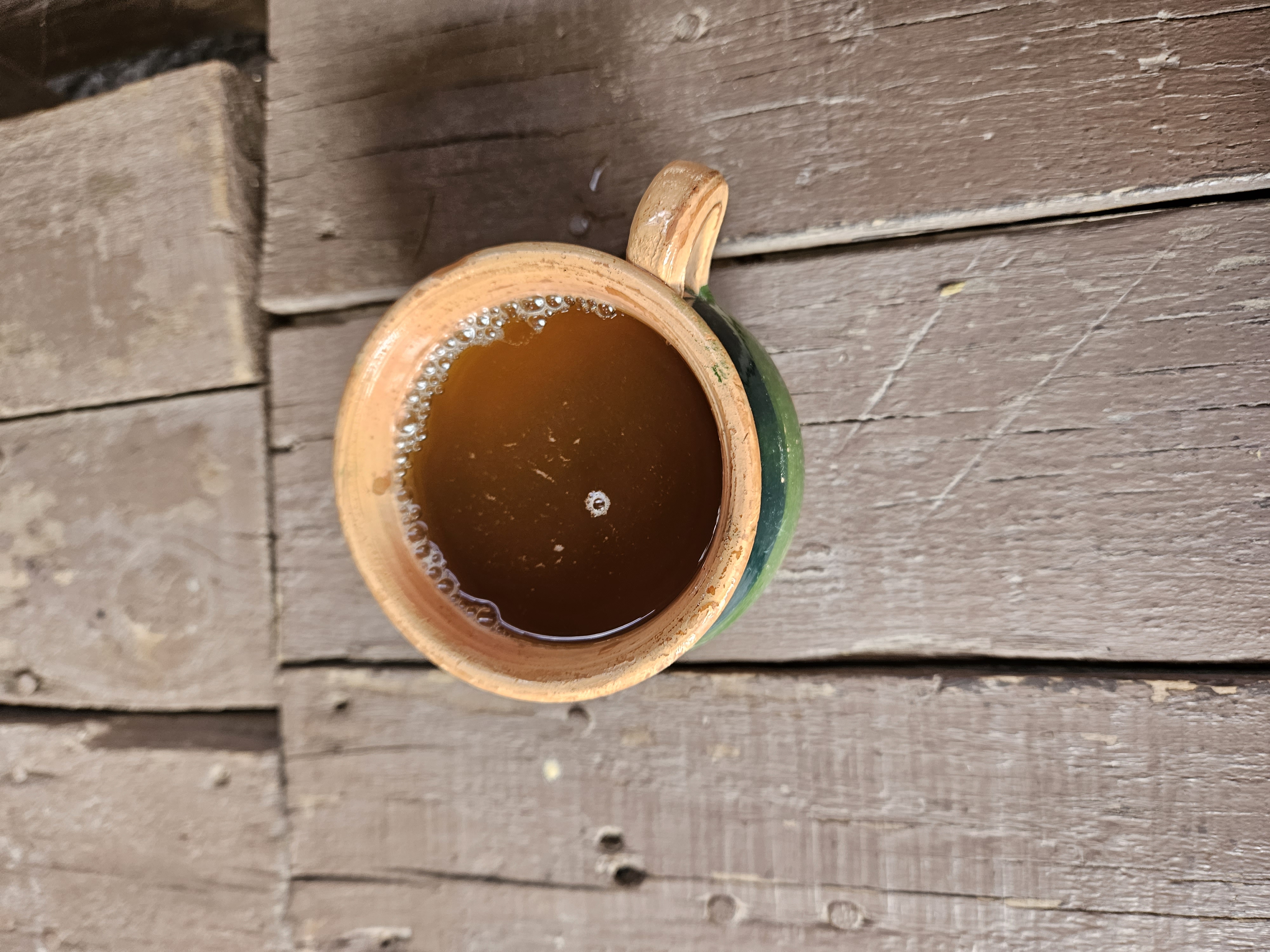
The one I participated in included a mud bath, herbal tea, and ended with a relaxing massage. A great way to unwind and reset.
For a VIP experience, book with Temazcal Oaxaca.

✨ Wrap-Up & Travel Tips
Oaxaca is a place full of energy, activities, and things to do that linger in your memory long after you leave.
Plan to spend at least a week or more here to savor the markets, explore the many restaurants and sample the street food, drop in on art galleries, and meander the colorful streets. Whether you’re learning to make mole, hiking in the Sierra Norte, or dancing in the Zócalo, Oaxaca, it will leave you wanting more.
Travel Tip: Oaxaca is very walkable, but many of the best day trips, like Monte Albán, Mitla, and Hierve el Agua, are easiest with a guided tour or rental car.
Xoxoxo
Happy Travels, my friend!
Best Articles Chosen For You

How Italy Helped Me Find the Love of My Life

About Susanne Suite Style Blog

How to Wear White Boots this Spring

Hey, I'm Susanne
A blog for smart, fun and fit women who love fashion, travel, food, fitness and adventure. If you want to know more, check out my About page.
Let's Connect
related articles

5 Most Common Style Mistakes
Five Awesome Tips to Take Your Summer Wardrobe into Fall
About Susanne Suite Style Blog
Wonaco Casino: Oodi myöhäisillan Live Casino -intoilijoille ja Sports Betting -faneille [416]
GET Your FREE "Shop Your Closet" Guide
Subscribe to my email list, and I'll send you a stylish guide on creating 9 fresh looks using pieces you likely already have in your wardrobe.